Harnessing the Power of Scent Training for Your Pet
Understanding Your Pet’s World Through Scent
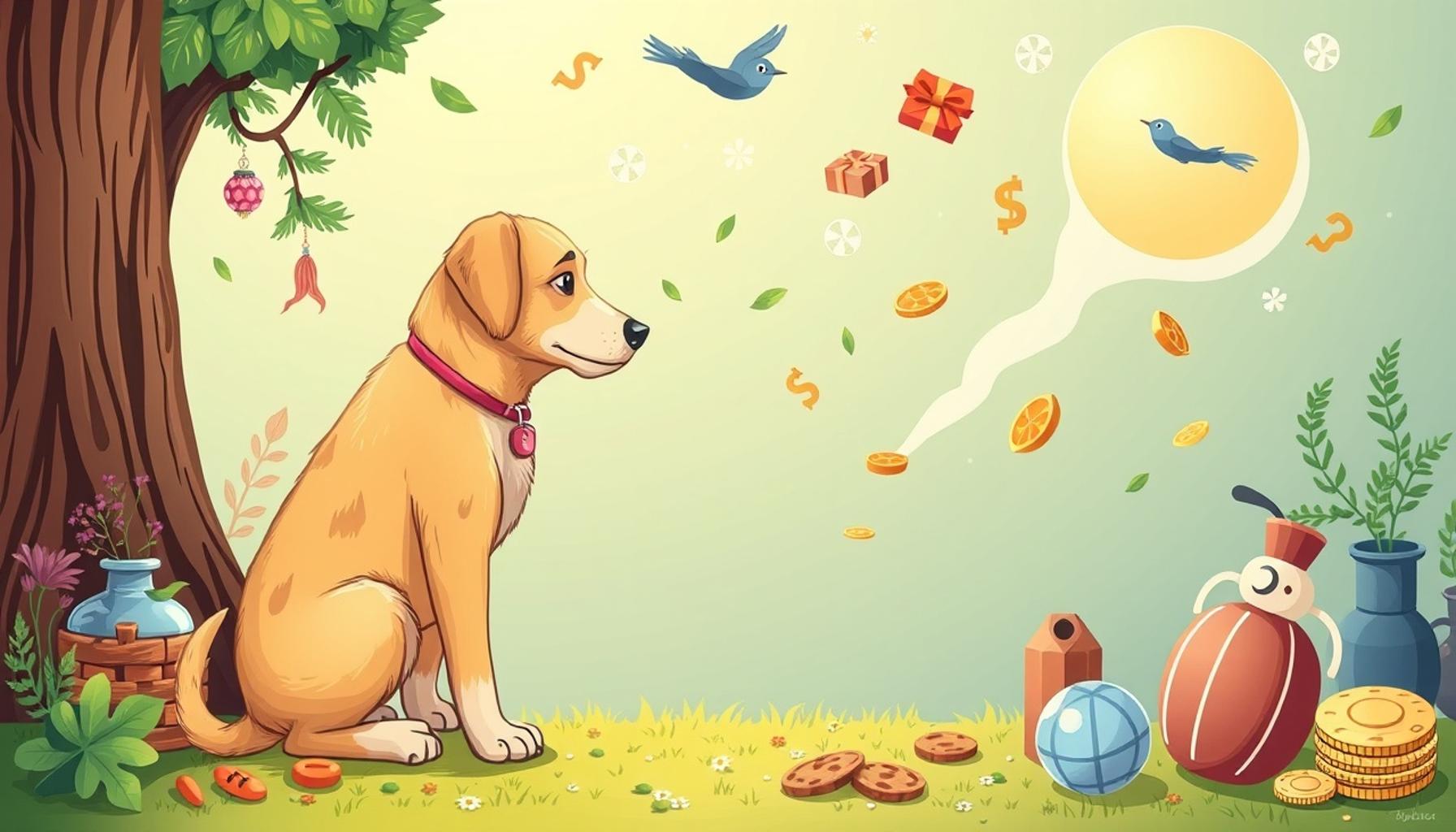
Have you ever stopped to think about how your pet perceives the world? While humans experience their environment through sight and sound, pets—especially dogs—primarily navigate their surroundings through scent. The olfactory system of dogs, for example, is estimated to be up to 100,000 times more sensitive than that of humans. This remarkable ability allows them to interpret and understand their environment in ways that can be truly astonishing.
The Benefits of Scent Training
By harnessing the power of scent training, pet owners can tap into this natural instinct. Not only does this practice enrich your pet’s life, but it also yields a plethora of additional benefits:
- Enhanced Obedience: Teaching your pet to follow scent trails teaches discipline. It gives them a focused task that necessitates attention and obedience. For instance, once your dog learns to follow a specific scent, they can learn to recall reliably when following that trail.
- Cognitive Stimulation: Engaging your pet’s sense of smell is an excellent mental workout. It helps mitigate boredom and can significantly reduce behavioral issues. Many pet owners have reported that after implementing scent training, their pets exhibit fewer anxiety-related behaviors and destructive tendencies, revealing the therapeutic effects of scent work.
- Stronger Bond: Spending time training your pet creates opportunities for shared experiences, enhancing the trust and understanding between you. Regular training sessions focused on scent can lead to a more cohesive relationship, fulfilling both your needs and those of your furry friend.
Tailoring Scent Training to Your Pet
Scent training isn’t just beneficial for dogs; it can be adapted for cats and even small animals like rabbits or ferrets. For instance, you can create interactive games for your cat where they hunt for hidden treats using their sense of smell. These outings can stimulate their instincts and transform a routine activity into a sensory adventure.
Many pet owners have witnessed remarkable transformations stemming from scent training, particularly in contexts such as assistance work or search and rescue operations. Dogs trained to detect certain scents are invaluable in various fields, including narcotics detection, finding missing persons, or even identifying medical conditions like diabetes. This fascinating method is not simply a fun pastime but an extraordinary tool for enriching your furry friend’s life and harnessing their natural talents.
Embarking on the Adventure of Scent Training
Are you excited to explore the world of scent training with your pet? Understanding the science behind it and applying methods effectively can lead you both on an incredible journey of discovery. Start by introducing your pet to new scent trails, using treats or toys, and gradually increase the complexity as they become more adept. The skills they develop could not only strengthen your bond but might also unveil hidden talents and capabilities.
So why wait? Dive into the world of scent training—your pet’s potential is waiting to be unlocked.
Getting Started with Scent Training
Scent training is an engaging and rewarding way to connect with your pet while tapping into their innate abilities. The process involves not just the act of smelling but also understanding how to guide your pet’s natural instincts in a structured manner. Whether you are a seasoned trainer or a novice pet owner, embracing the principles of scent training can be a transformative experience for both you and your furry companion.
What You Need for Scent Training
Before embarking on the journey of scent training, it’s essential to gather the right tools and materials. Here’s a simple list of items to help you get started:
- Scented Treats: Use kibble, small bits of cheese, or any other high-value items that your pet loves. The stronger the scent, the better!
- Training Clicker: A clicker can serve as a marker to reinforce positive behaviors during training sessions, making it clear when your pet has performed correctly.
- Blindfold: While not mandatory, a blindfold can help you understand how your pet relies solely on their sense of smell rather than sight during challenges.
- Scented Objects: Consider using objects from outside, such as favored toys or items belonging to other animals to pique your pet’s interest and encourage their tracking abilities.
Each of these tools plays a crucial role in enhancing the experience, but remember that patience and consistency are the cornerstones of successful scent training.
Basic Techniques to Introduce Scent Training
Now that you’ve gathered your materials, it’s time to dive into some foundational techniques that will set the stage for more advanced training later on. Start by introducing your pet to a specific scent, using a scented treat or toy as the focal point. Take the following steps:
- Familiarize Your Pet: Allow your pet to sniff the item thoroughly. This initial interaction establishes a connection with the scent.
- Hide and Seek: Begin with simple games by placing the scented item in visible spots and gradually increasing complexity by hiding it more effectively.
- Use Rewards and Praise: When your pet finds the item, use praise and a treat to reinforce their success. This reinforcement helps them associate the scent with positive outcomes.
As your pet becomes more adept at identifying the scent, you can start to challenge them further by introducing additional distractions or varying the environment. The beauty of scent training is that it’s adjustable to your pet’s capabilities and progress, ensuring that they remain engaged and motivated.
By utilizing these basic techniques, you can cultivate a fun and enriching atmosphere where your pet not only thrives but also learns invaluable skills. With dedication, your pet can discover a world filled with intriguing scents, fostering a deeper connection between you both.
| Category | Details |
|---|---|
| Enhanced Bonding | Scent training strengthens the bond between you and your pet, creating a shared experience of learning and discovery. |
| Mental Stimulation | Engaging in scent training provides mental challenges, helping to keep your pet’s mind sharp and focused. |
| Behavioral Improvements | Practicing scent training can lead to reductions in anxiety and destructive behaviors, providing your pet with a productive outlet. |
| Health Benefits | Regular training sessions promote physical activity, contributing to overall health and well-being. |
Harnessing the power of scent training not only nourishes your pet’s inquisitive nature but also enhances their quality of life. By exploring different scents, pets can develop improved problem-solving skills and gain confidence. Additionally, scent training appeals to a pet’s instinctual behavior, leading to happier, more balanced animals. The joy of discovery during these activities fosters an enriching environment that both pets and owners can enjoy. As you delve deeper into the art and benefits of scent training, you may uncover numerous training techniques and potential health strategies that can significantly influence your pet’s behavior and mental health. Understanding the advantages of scent training opens the door to a greater connection with your pet, ensuring their happiness and fortifying your shared journey.
Advanced Techniques for Engaging Your Pet
As your pet becomes more comfortable with the basic scent training exercises, it’s time to elevate the challenge and deepen the engagement. Advanced techniques not only enhance your pet’s skills but also keep the training sessions dynamic and exciting, which is vital for maintaining their interest.
Implementing Scent Discrimination
Scent discrimination is an essential aspect of advanced scent training. It involves teaching your pet to differentiate between various smells, which can be incredibly beneficial for working dogs and pets alike. Here’s how to implement this technique:
- Introduce Multiple Scents: Start with a couple of familiar scents your pet has already mastered. Gradually introduce new scents, ensuring they are distinct from one another.
- Sequential Trials: Conduct trials where you present different scented items. Use verbal cues to instruct your pet to identify a specific scent from the collection, rewarding them when successful.
- Elimination Exercises: Create scenarios where your pet must eliminate incorrect scents. This method encourages problem-solving skills as they learn to focus on finding the target scent amidst distractions.
This technique not only sharpens their olfactory skills but also enhances their cognitive abilities, providing them with a robust mental workout.
Exploration Through Scent Trails
Creating scent trails is another fascinating way to expand your pet’s training. This technique involves laying out a trail or path that your pet must follow to locate an end item, leveraging their natural tracking instincts. Here’s how to set it up:
- Start Simple: Begin by laying a straight line of treats leading to a larger reward at the end. This will pique your pet’s interest and encourage them to follow the trail.
- Varying Terrain: As your pet gets the hang of it, create trails that curve or change terrain, integrating parks or different environments into your training sessions.
- Hide & Seek with a Twist: Once your pet masters the trails, introduce a hiding challenge where the end reward is concealed in a more complex manner, requiring a deeper search.
The thrill of the chase can engage your pet physically and mentally, transforming scent training into a fun and fulfilling activity. It’s an activity that simulates the natural foraging behavior of animals, allowing their instincts to shine through.
Utilizing Scent to Foster Wellbeing
Beyond fun and competition, scent training provides significant benefits for emotional and physical wellbeing. Studies have shown that scent work can help reduce anxiety levels in pets, creating a sense of purpose and accomplishment. Here are ways to incorporate scent training for wellbeing:
- Mindfulness Exercises: Engage your pet with scent activities that encourage them to slow down, breathe deeply, and focus on their surroundings. These exercises act as a form of pet meditation.
- Social Interaction: Involving your pet in scent training with other animals or groups can promote social enrichment, reducing feelings of isolation and boredom.
- Incorporate Relaxation Scents: Use calming scents like lavender in specific training sessions to help your pet associate positive experiences with relaxation.
By incorporating these methodologies into your scent training regimen, you not only enrich your pet’s sensory experiences but also enhance their emotional and social wellbeing, ultimately cultivating a more balanced and happy pet. The versatility of scent training ensures there is always something new and engaging for you and your pet to explore together.
Conclusion: Embrace the Benefits of Scent Training
In summary, harnessing the power of scent training for your pet is not only a pathway to enhanced obedience and skills but also a profound method to enrich their overall quality of life. The journey from basic scent exercises to advanced techniques, such as scent discrimination and trail exploration, plays a crucial role in challenging your pet both mentally and physically. By integrating these practices into your pet’s daily routine, you pave the way for improved cognitive functions, heightened sensory awareness, and a deeper bond between you and your furry companion.
Furthermore, the benefits of scent training extend beyond mere physical engagement. It contributes to emotional stability, serving as a tool for relieving stress and anxiety in pets. Activities that incorporate mindfulness and social interaction not only foster confidence but also promote a sense of fulfillment in their lives. As you explore the possibilities of incorporating calming scents and themed challenges, consider the powerful connection that arises from these shared experiences.
Ultimately, the world of scent training offers endless opportunities to innovate and engage, ensuring that the journey remains enjoyable and gratifying. Whether you are a seasoned trainer or a novice, embracing scent training as part of your pet’s routine can lead to remarkable transformations. As you venture into this aromatic adventure, you will discover new dimensions of joy, discovery, and companionship that enhance the lives of both you and your pet.

Beatriz
Beatriz Johnson is a seasoned pet care expert and writer with a passion for simplifying the complexities of pet ownership and animal well-being. With over a decade of experience in the field, she specializes in topics like pet nutrition, training techniques, and health care. Through her work on our website, Beatriz empowers pet owners to make informed decisions and provide the best possible care for their furry friends, ensuring happy and healthy lives for their beloved companions.