Homemade Food vs. Kibble: How to Find the Ideal Balance for Your Pet
The Nutrition Debate: Navigating Pet Food Choices
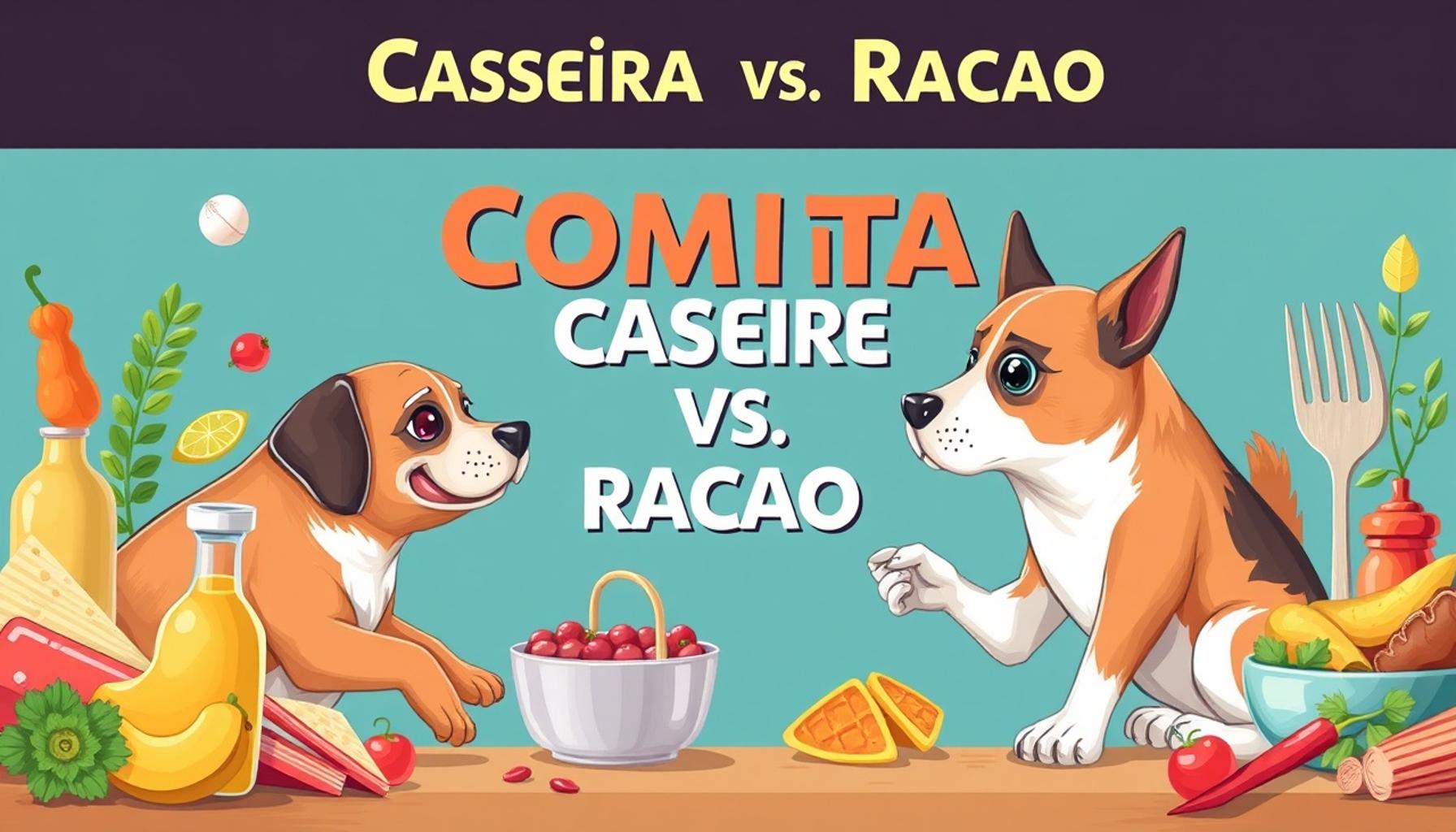
When it comes to feeding your beloved pet, the options can be overwhelming. Many pet owners find themselves torn between homemade food and commercial kibble. Each approach has its merits and challenges, leading to a deeper exploration of how to find the right balance that suits both you and your furry friend’s needs.
The Allure of Homemade Food
Homemade pet food has gained tremendous popularity over the years due to various appealing features. One of the most compelling advantages is the use of fresh ingredients. By preparing meals at home, you have full control over what your pet consumes, eliminating preservatives and fillers commonly found in commercial options. For instance, using organic vegetables like carrots and peas and high-quality proteins such as chicken or fish not only enhances flavor but also ensures nutritional integrity.
Another notable benefit is customization. Cats and dogs, much like humans, can have varying dietary needs based on their age, breed, and health conditions. A dog with a sensitive stomach might thrive on a rice and pumpkin diet, while a high-energy breed could benefit from a protein-rich meal. This level of personalization allows you to tailor meals that will enhance your pet’s well-being.
Moreover, homemade meals offer a unique advantage in terms of variety. Just as we enjoy different cuisines, pets can also suffer from meal fatigue. By rotating recipes, you can keep mealtime exciting and encourage your pet to eat. Think of delicious options like beef stew, turkey with quinoa, or even fish with sweet potatoes!
The Convenience of Kibble
While homemade food comes with its benefits, many pet owners find kibble an essential staple due to its inherent conveniences. Availability is a primary reason; commercial kibble can be found easily in local stores and online retailers, making it accessible for busy pet owners who may not have the time for meal prep. Major brands like Purina, Hill’s Science Diet, and Royal Canin designed their formulas specifically to cater to various breeds and life stages, making it simple to choose the best option for your pet.
Additionally, kibble provides balanced nutrition. It is formulated to meet stringent health standards set by organizations like the Association of American Feed Control Officials (AAFCO). This means that each bag generally contains the necessary nutrients, vitamins, and minerals essential for your pet’s health, thereby reducing the guesswork associated with homemade diets.
Lastly, the storage ease and longevity of kibble cannot be overlooked. With a long shelf life and no need for refrigeration, kibble remains a hassle-free option for many. You can scoop it straight into your pet’s bowl, making mealtime quick and efficient.
Finding the ideal balance between these two diets is a puzzle that many pet owners face. It demands an understanding of nutrition, convenience, and your pet’s unique requirements. Consulting with a veterinarian can provide tailored advice to help you navigate the complexities of pet nutrition. Through this exploration, you’ll discover insights that can lead to informed and responsible decisions regarding your furry companion’s diet, ensuring both satisfaction and health.
Assessing the Nutritional Content: Homemade vs. Kibble
When considering a diet for your pet, the most crucial factor is the nutritional content of the food you choose, whether it be homemade meals or kibble. Both options have distinct nutritional profiles that can significantly influence your pet’s overall health and wellness. Understanding the components of each diet is key to making an informed decision.
Key Nutritional Components to Consider
Proper nutrition for pets involves a balance of proteins, fats, carbohydrates, vitamins, and minerals. Let’s break down how both homemade food and kibble stack up against these essential nutritional components:
- Proteins: Vital for growth and muscle development, proteins can be sourced naturally from meats, fish, and eggs in homemade diets. On the other hand, quality kibble will include meat meals and meat by-products to ensure adequate protein levels.
- Fats: Fats are crucial for energy and skin health. Homemade food allows you to choose healthy fat sources like fish oil and flaxseed, while commercial kibble often incorporates animal fats, which are essential but need to be assessed for quality.
- Carbohydrates: Providing pets with carbohydrates can be controversial, as some argue they are unnecessary for a carnivorous diet. Homemade diets can include whole grains and vegetables for a balanced meal, while kibble utilizes grains like corn or rice as fillers.
- Vitamins and Minerals: Both homemade diets and kibble must be fortified with essential vitamins and minerals. Pet owners using homemade recipes must carefully research and sometimes supplement their meals to prevent deficiencies, while kibble is designed to meet these requirements.
The Importance of Consultation with Professionals
Given the complexity of pet nutrition, consulting with a veterinarian or a pet nutritionist can provide insights into the specific requirements of your pet based on their age, breed, and health conditions. For instance, certain breeds may require higher protein for muscle development, while others might thrive on a more carbohydrate-rich diet.
In addition, ongoing research shows that many pets suffer from food allergies or intolerances. Homemade food can be an excellent way to identify and exclude specific ingredients that may be problematic. On the flip side, some reputable kibble brands now offer hypoallergenic options designed to cater to pets with food sensitivities.
Ultimately, the equilibrium between homemade food and kibble might not be a straightforward answer but rather a harmony of both. Understanding the nutritional needs of your pet and the pros and cons of each option will enable you to serve a diet that not only satisfies their taste buds but also supports their health. As you delve deeper into your pet’s dietary needs, you will likely find that feeding choices can vary widely, warranting a multifaceted approach to their meal planning.
Understanding the Nutritional Needs of Your Pet
Finding the ideal balance between homemade food and kibble for your pet starts with a clear understanding of their nutritional needs. Every pet has unique requirements influenced by factors like age, breed, size, and activity level. For instance, dogs and cats are omnivores and carnivores, respectively, meaning their dietary needs can differ significantly. When considering homemade food, it’s vital to formulate recipes that are well-balanced. A mixture of protein, carbohydrates, fats, vitamins, and minerals is essential for sustaining your pet’s health. Protein sources like lean meats should be complemented with appropriate vegetables and grains to ensure they receive vital nutrients. Additionally, dogs, which are known to benefit from some fiber in their diets, might flourish with the inclusion of certain fruits and vegetables. On the other hand, kibble is designed to deliver a complete nutritional package in a convenient form. Many brands offer formulas specifically tailored to the needs of different life stages or health considerations, such as weight management or sensitive stomachs. Kibble also often includes additional supplements not easily replicated in homemade diets, such as omega fatty acids or probiotics that promote dental health. To navigate between these two options, pet owners should consult with a veterinarian or a pet nutritionist. They can offer invaluable advice on crafting a balanced diet tailored specifically for your pet’s personal needs. Transitioning between homemade and kibble, or incorporating both, can be beneficial, as it allows for a diversity of flavors and textures that can enhance your pet’s mealtime experience. Now, let’s take a closer look at some of the distinct advantages of both homemade food and kibble, which can further guide you in achieving a balanced diet for your furry friend.
| Homemade Food | Kibble |
|---|---|
| Fresh Ingredients | Convenience and Longevity |
| Better Control Over Ratios | Variety of Nutritional Formulations |
By weighing the advantages of both homemade meals and commercial kibble, pet owners can create a sustainable and enjoyable diet that fosters health and happiness in their furry companions. Each option presents unique benefits that contribute to a well-rounded diet, and understanding their significance is crucial to making an informed decision.
Benefits and Drawbacks of Each Feeding Method
As pet owners weigh their options between homemade food and kibble, it’s important to carefully deliberate both the benefits and drawbacks of each method. Each feeding approach carries unique advantages that can contribute to your pet’s health, alongside some challenges that may arise.
Benefits of Homemade Food
One of the most significant advantages of homemade pet food is the customization it allows. You have complete control over the ingredients, which means you can formulate meals to maximize your pet’s health needs. For instance, if your dog has a grain allergy, you can exclude grains and focus on protein sources and vegetables. This individualization extends to food preferences and allergies, enabling you to adjust recipes based on your pet’s unique sensitivities.
Moreover, homemade meals can often be fresher than processed kibble, which can enhance palatability. Many pets show a clear preference for home-prepared dishes. This can help ensure that they are enjoying their meals rather than simply eating out of necessity. Pet owners keen on nutrition can also incorporate organic or locally sourced ingredients, possibly providing dogs and cats with higher quality meals.
Drawbacks of Homemade Food
However, preparing homemade pet food comes with its set of challenges. The primary concern is the risk of nutritional imbalance. Without adequate knowledge of pet nutrition, owners might unintentionally omit essential nutrients, leading to health issues over time. This makes it crucial to conduct thorough research or seek advice from a professional to create a nutritionally complete diet.
Additionally, the time commitment involved in meal preparation should not be overlooked. Crafting balanced homemade meals requires planning, shopping, and cooking, which might not be feasible for every pet owner. There’s also the potential for higher food costs, especially if using premium ingredients, when compared to more affordable kibble options.
Advantages of Kibble
Kibble presents its own array of benefits, particularly in convenience and shelf-life. It is easy to store, portion, and serve, which can fit effortlessly into busy lifestyles. Additionally, many brands invest in research to develop formulas that meet AAFCO (Association of American Feed Control Officials) standards, ensuring that the kibble is complete and balanced for your pet’s diet.
Commercial kibble generally comes at a lower price point, making it an economically friendly choice compared to premium homemade diets. Furthermore, consistent feeding with kibble allows for easier management of your pet’s daily calorie intake, simplifying portion control.
Challenges with Kibble
Yet, even with the advantages, the drawbacks of kibble should be taken into account. Pet owners often find that some kibble brands contain low-quality fillers and artificial additives, which can lead to digestive issues or allergic reactions in susceptible pets. Selecting high-quality kibble that meets your pet’s specific needs is essential, yet this also requires research and discernment.
Another point of consideration is that kibble lacks the freshness and moisture content that homemade food can provide. This becomes increasingly critical for pets who may need a moisture-rich diet, especially those dealing with urinary tract issues or dehydration.
Ultimately, as pet owners navigate the waters of homemade food versus kibble, recognizing these advantages and disadvantages can help in finding that ideal balance. By carefully evaluating nutritional quality and lifestyle needs, a pet parent can create a feeding strategy that best supports their furry companion’s health and happiness.
Discovering the Perfect Feeding Solution
In the quest for optimal pet nutrition, finding the right balance between homemade food and kibble is crucial for your pet’s overall health and well-being. Each approach has its own distinct advantages and challenges, requiring careful consideration from pet owners. The customization of homemade meals provides dietary flexibility, ensuring specific health needs are met, while kibble offers unmatched convenience and affordability.
To achieve the ideal balance, it’s essential to assess your pet’s unique requirements, including any dietary restrictions or preferences. Consulting with a veterinarian or a pet nutritionist can greatly enhance your understanding of your pet’s nutritional needs and guide you in designing a well-rounded feeding plan. It may even be beneficial to consider a hybrid approach, incorporating both homemade meals and high-quality kibble, leveraging the strengths of each method while mitigating their weaknesses.
As you explore the test of time between homemade food versus kibble, paying attention to your pet’s behavior, health changes, and preferences can provide valuable insights. By staying informed and adaptable in your feeding strategy, you can ensure that your furry companion not only thrives but enjoys their meals. Ultimately, the journey towards optimal nutrition is an evolving process; embracing a flexible mindset will undoubtedly lead you to the perfect feeding solution for your beloved pet.

Beatriz
Beatriz Johnson is a seasoned pet care expert and writer with a passion for simplifying the complexities of pet ownership and animal well-being. With over a decade of experience in the field, she specializes in topics like pet nutrition, training techniques, and health care. Through her work on our website, Beatriz empowers pet owners to make informed decisions and provide the best possible care for their furry friends, ensuring happy and healthy lives for their beloved companions.