How Technology Facilitates Continuous Learning and Enhances a Growth Mindset
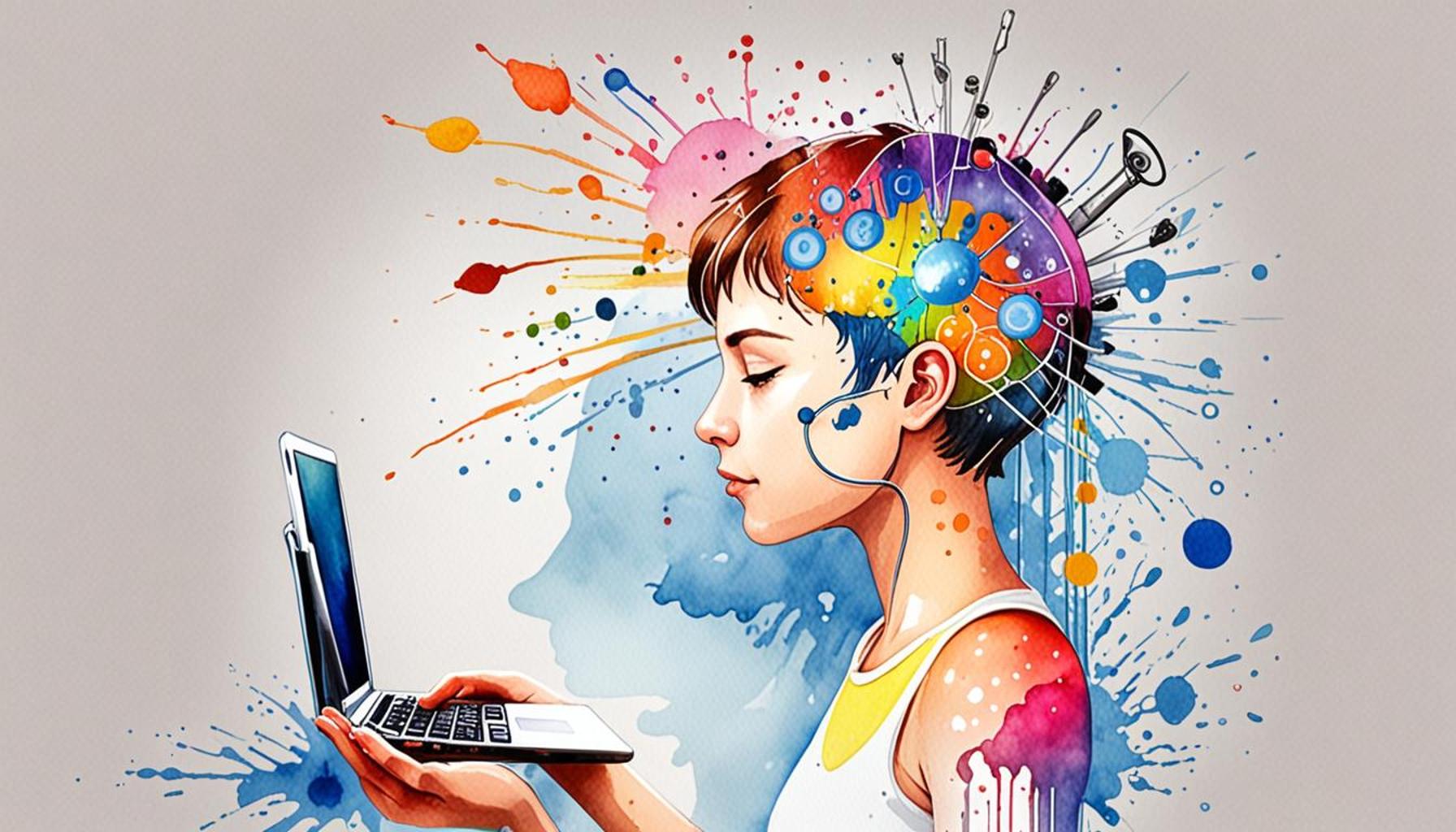
The Role of Technology in Continuous Learning
In today’s fast-paced world, technology serves as a powerful catalyst for continuous learning. With the advent of digital tools and resources, individuals can expand their knowledge and skills more efficiently than ever before. This transition is not just about acquiring information; it’s about fostering a resilient and adaptable growth mindset—a belief that abilities and intelligence can be developed through dedication and hard work.
Consider the remarkable impact of technology on our learning paths:
- Access to online courses and tutorials from institutions like Coursera and Khan Academy allows learners to engage in structured learning without the constraints of traditional classrooms. For example, Coursera offers courses from top universities and organizations, including Yale and Google, covering topics from data science to personal development, helping students acquire new skills at their own pace.
- Engagement in interactive platforms such as Duolingo and Codecademy makes learning languages or coding accessible and fun. Duolingo’s gamified approach turns language learning into an engaging experience, while Codecademy provides hands-on coding exercises, allowing users to practice and apply their programming skills in real-time.
- Utilization of mobile apps like Quizlet and Evernote changes how students study and organize their notes. Quizlet allows learners to create flashcards for efficient memorization, while Evernote helps in seamlessly cataloging and retrieving important information, enabling effective on-the-go studying.
This evolving landscape not only encourages learners to embrace challenges and learn from failures but also enables:
- Real-time feedback through online assessments, allowing individuals to identify areas of improvement and track their progress effectively. Platforms like edX often feature instant grading for quizzes, ensuring that learners can instantly see where they stand.
- Collaboration with peers and mentors worldwide via forums, video calls, and collaborative projects. This global interaction enriches the learning experience by exposing learners to diverse perspectives and expertise beyond their immediate surroundings.
- Personalized learning experiences tailored to individual needs through adaptive learning technologies. These innovations, such as those implemented by platforms like LinkedIn Learning, adjust the content based on users’ progress and preferences, making education more relevant and effective.
The possibilities for enhancing a growth mindset are indeed endless, transcending geographical boundaries and traditional learning methods. As technology continues to evolve, it not only serves as a tool but also evolves into a bridge toward a more learned, flexible, and resilient future. Each opportunity for learning, whether through a simple app or a comprehensive online course, reaffirms that the pursuit of knowledge is a lifelong journey—a journey made all the more accessible through the power of technology.
DIVE DEEPER: Click here to learn more
Transformative Learning Opportunities Through Digital Platforms
The digital revolution has transformed how we engage with knowledge, making it more vibrant and interactive than ever before. Online platforms have democratized access to information, providing users from all walks of life with the ability to learn and grow continuously. This remarkable shift has created an ecosystem where learning is not merely confined to formal institutions but is an integral aspect of everyday life.
One of the most significant advancements contributing to continuous learning is the availability of MOOCs (Massive Open Online Courses). Platforms like edX and FutureLearn facilitate higher education access to anyone with an internet connection. Students can enroll in high-quality courses led by professors from prestigious universities, thereby democratizing education and allowing individuals to diversify their skills. For instance, aspiring entrepreneurs in rural America can access lectures on business strategies taught at Harvard, bridging the gap that once separated geographical location from quality education.
Furthermore, technology has revolutionized traditional notions of studying through the use of virtual learning environments (VLEs) like Blackboard and Moodle. These platforms enhance interactivity, allowing students to communicate, collaborate, and engage with peers and instructors in real-time, fostering a sense of community and mutual learning. Incorporating features such as forums, quizzes, and online assessments, VLEs create a conducive atmosphere for experimentation and exploration — essential elements of maintaining a growth mindset.
In tandem with these platforms, social media has also emerged as a key player in the continuous learning sphere. Communities on platforms such as LinkedIn and Facebook allow learners to connect, share resources, and discuss various topics in real-time. By joining groups centered around specific interests or industries, individuals can engage with thought leaders and practitioners, gaining insights that augment their learning experiences. For example, joining a coding group on LinkedIn can expose learners to project collaborations and mentorship opportunities that go beyond traditional classroom settings.
To illustrate the potential of technology in continuous learning, consider the following examples:
- Webinars and Live Workshops: These interactive sessions allow experts to share knowledge and address questions in real-time, eliminating the barrier of time and geography.
- Podcasts and Audiobooks: Learning on-the-go has never been easier with platforms like Audible and various educational podcasts available for download, allowing individuals to incorporate learning into their hectic schedules.
- Specialized Learning Forums: Websites like Reddit have subreddits dedicated to virtually every subject imaginable, providing an informal platform for learners to ask questions and share resources.
This dynamic interplay between technology and education ensures that continuous learning remains a viable and engaging prospect. It allows individuals to explore their potential, embrace challenges, and cultivate a love for learning — essential tenets of a strong growth mindset. As we continue to navigate this digital landscape, the emphasis on lifelong learning cannot be overstated, encouraging learners to see obstacles as opportunities for growth and development.
How Technology Changes the Learning Landscape
In today’s rapidly evolving world, the role of technology in facilitating continuous learning cannot be overstated. Traditional educational paradigms are being transformed, allowing learners to access a wealth of knowledge anytime and anywhere. The integration of technology in education not only enhances the overall learning experience but also fosters a strong growth mindset. This shift in educational approach leads to lifelong learners who are more eager to embrace challenges and persist in the face of setbacks.
One of the most compelling features of technology in learning is the availability of online platforms and resources, such as MOOCs (Massive Open Online Courses), which offer courses from prestigious institutions, enabling learners to delve into subjects from coding to philosophy. These platforms allow users to learn at their own pace, making it easier to balance educational pursuits with personal and professional responsibilities.
Furthermore, adaptive learning technologies utilize algorithms to personalize the educational experience. By assessing a learner’s progress in real-time, these tools can modify the content and pace of delivery to address the unique needs of each student. This customized approach not only boosts engagement but also reinforces a growth mindset by encouraging learners to take ownership of their education and seek help when necessary.
The use of collaborative tools, such as discussion forums and video conferencing, enhances peer interaction, providing an avenue for shared learning experiences. These interactions create a community of learners who support each other, fostering an environment where experimentation and feedback are not only welcomed but essential for growth.
Finally, the incorporation of gamification strategies—where elements of game design are integrated into learning—can increase motivation and enjoyment. Students can track their progress, earn rewards, and engage with the content more dynamically, all of which can positively influence their enthusiasm for continuous learning.
| Technology Aspect | Impact on Learning |
|---|---|
| Online Learning Platforms | Accessibility to diverse subjects at any time, paving the way for independent learning. |
| Adaptive Learning Technologies | Personalized learning experiences that address individual progress and feedback. |
| Collaborative Tools | Fostering a supportive learning community that encourages sharing and teamwork. |
| Gamification | Increased engagement and motivation through game-like elements in learning. |
As these technologies continue to evolve, so too will the possibilities for learning and personal development. Understanding and leveraging these tools can significantly enhance an individual’s capacity to adopt a growth mindset and flourish in an ever-changing landscape.
DISCOVER MORE: Click here to dive deeper
Personalized Learning Paths Through Adaptive Technologies
As we delve deeper into the relationship between technology and education, another remarkable innovation taking center stage is the use of adaptive learning technologies. These intelligent systems analyze individual learning patterns and outcomes, tailoring content to fit the unique needs of each learner. By applying algorithms and data analysis, platforms like Khan Academy and DreamBox Learning adapt the curriculum based on a student’s progress, ensuring that they are neither overwhelmed nor bored — a leading factor that contributes to maintaining a growth mindset.
The incorporation of artificial intelligence (AI) into educational tools is also paving the way for personalized learning experiences. For instance, several apps leverage AI to provide immediate feedback on tasks, assignments, or test performances, helping students recognize their strengths and areas for improvement. This real-time assessment encourages learners to take ownership of their educational journey, fostering resilience and persistence—key attributes of a growth mindset. An example can be seen in Duolingo, a language-learning app that personalizes exercises based on users’ past performances, thus making the learning path engaging and efficient.
The Role of Gamification in Learning
One fascinating aspect of modern technology is the concept of gamification, which employs game-like elements to enhance learning. By integrating point systems, badges, and leaderboards, platforms such as Codecademy and Quizlet motivate learners by creating a playful yet structured environment. Gamification encourages users to set goals and celebrate achievements, which fosters a sense of progress and accomplishment that is crucial to developing a growth mindset.
A study conducted by the National Training Laboratory found that learning retention rates increase dramatically when gamification techniques are applied, resulting in a more effective educational experience. This transformation makes learning not only more enjoyable but also more impactful, as students are less likely to perceive challenges as setbacks and more as a stepping stone toward mastery.
Mobile Learning: The Flexibility of Access
The rise of mobile learning applications has also made continuous education accessible anywhere, anytime. With smartphones and tablets becoming ubiquitous, individuals can engage with educational content during their daily commutes, at lunch breaks, or whenever they have spare time. Platforms like Coursera and LinkedIn Learning target mobile users, enabling a seamless integration of learning into busy schedules. This flexibility not only supports ongoing education but allows learners to curate their learning experiences, further nurturing a growth mindset.
Moreover, mobile learning fosters collaboration and networking opportunities. Through discussion forums and group features integrated into mobile apps, individuals can connect with peers worldwide, share insights, and collaboratively solve problems — reinforcing the idea that learning is a social endeavor. The interaction facilitated by these technologies helps cultivate an environment where learners can support each other, share challenges, and celebrate successes collectively.
In summary, as technology continues to evolve, it reshapes how we approach education and growth. The emergence of adaptive learning, gamification, and mobile access empowers each learner to forge their own paths, transforming obstacles into opportunities and fostering a lifelong dedication to knowledge acquisition — pivotal aspects of a robust growth mindset.
DISCOVER MORE: Click here to learn about the impact of continuous learning
Conclusion: Embracing Technology for Lifelong Learning
In conclusion, technology stands as a powerful ally in the pursuit of lifelong learning and the cultivation of a growth mindset. With the advent of adaptive learning technologies, personalized educational experiences are becoming the norm, allowing learners to engage with material that is tailored specifically to their needs and pace. By fostering an environment that encourages continual improvement through immediate feedback and adaptive pathways, technology dismantles the barriers to learning, transforming potential challenges into opportunities for growth.
Furthermore, the integration of gamification within educational platforms amplifies motivation and enhances retention, inviting individuals to view their learning journey as engaging and rewarding. As participants earn points, badges, and recognition, they develop resilience and a sense of accomplishment, hallmarks of a growth-oriented mindset. Coupled with the accessibility provided by mobile learning, education now transcends the confines of traditional settings, making it possible for anyone, anywhere, to pursue their interests and aspirations at their convenience.
Ultimately, the synergy of technology and education is creating a landscape where learning no longer feels like a chore but an exciting adventure. As we embrace these innovations, we are not merely enhancing our knowledge but also redefining our capabilities. By leveraging technology to fuel continuous learning, we are not just cultivating skills; we are fostering a culture that celebrates curiosity, adaptability, and lifelong learning. Embracing this revolution invites everyone to explore the transformative power of technology and its infinite possibilities for personal and collective growth.
Related posts:
The Role of Digital Technologies in Lifelong Learning and Growth Mindset
How Continuous Learning Can Enhance Resilience and Adaptability
The Influence of Continuous Reading on Growth Mindset and Personal Innovation
Practical Strategies for Implementing Continuous Learning in Daily Life
How Continuous Learning Impacts Resilience and Adaptation in Dynamic Work Environments
Developing a Growth Mindset Through Feedback and Personal Reflection

Linda Carter is a writer and growth mindset specialist with expertise in cognitive development and resilience training. With extensive experience helping individuals transform limiting beliefs and unlock their potential, she shares practical mindset strategies on our platform. Her goal is to empower readers with science-backed techniques to cultivate adaptability, embrace challenges, and achieve continuous personal and professional growth.