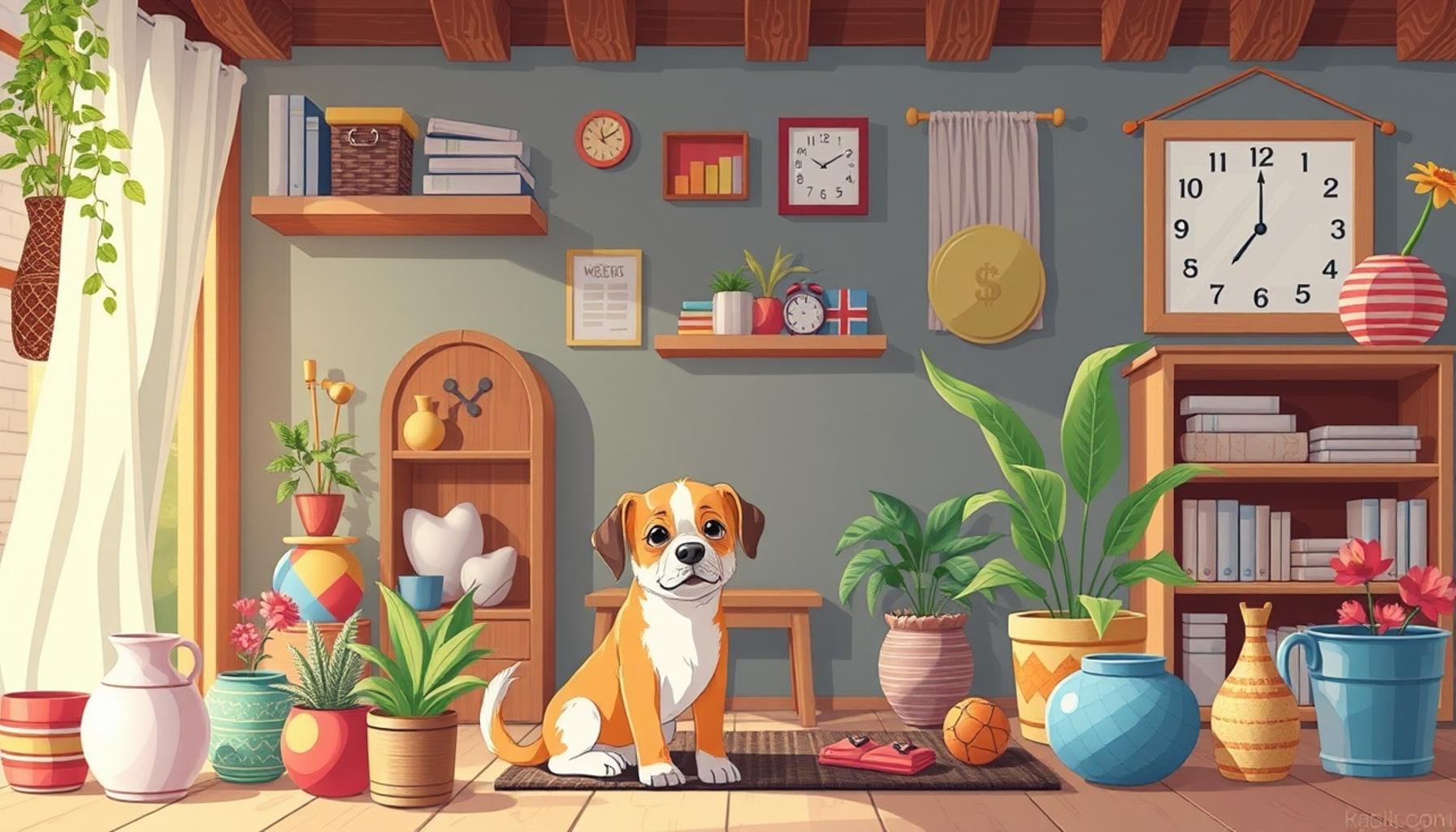
How to Prepare Your Home for the Arrival of an Adopted Pet

Welcoming Your New Furry Friend
Adopting a pet can undeniably be one of life’s most rewarding experiences, yet it also carries significant responsibilities. One of the most crucial steps in this journey is preparing your home adequately for your new furry family member, as this ensures their safety and comfort from the outset.
Key Considerations Before Bringing Home a Pet
- Safety First: Before your new pet arrives, assess your home for potential hazards. This includes removing toxic plants such as lilies and azaleas, which are harmful to pets, as well as securing exposed wires that curious paws might chew on. Additionally, make sure to pick up small objects that pets could swallow, such as coins, small toys, or even cords from electric appliances.
- Comfort Zone: To help your pet feel welcomed, create a designated space just for them. This area can include a comfortable bed, relaxing blankets, and stimulating toys. For cats, a cozy perch with a view out the window can be a “cat haven,” while dogs often appreciate a corner with soft bedding where they feel safe and can retreat if they are feeling overwhelmed.
- Pet-Proofing: Consider enhancing safety in your home by installing baby gates to keep them out of certain areas or securing cabinets that may contain cleaning supplies or chemicals. Using non-slip mats in key areas can also prevent accidents, especially for older pets who may struggle with their footing.
Every pet comes with its own unique needs that must be addressed to help them adjust successfully. For instance, research specific requirements for your pet’s breed or species, including dietary preferences or exercise needs. Understanding their behavior, like a dog’s tendency to chew or a cat’s inclination to scratch, will help you prepare in ways that can mitigate common issues.
Getting Your Home Ready
- Supplies: Stock up on necessary supplies before your pet arrives. This includes essentials like food, water dishes tailored to their size, leashes, collars, and grooming tools specific for their coat type. For dogs, consider investing in durable toys that can withstand their chewing habits, while cats may enjoy interactive toys that engage their hunting instincts.
- Space Management: Declutter areas where your new pet will roam, ensuring that they can move around freely without the risk of getting into something dangerous. Designing their environment with their safety in mind will also promote a more relaxed atmosphere for both you and your pet.
- Routine Planning: Establishing a daily routine is paramount for easing your pet’s transition. Set up a consistent schedule for feeding, walking, and engaging in playtime. This not only fosters a sense of stability for your pet but helps you build a stronger bond and understand their unique behaviors.
Proactive measures in these key areas are essential to ensure your newly adopted pet feels welcome, secure, and part of the family. As you embark on this exciting journey, remember that preparation is vital in laying the foundation for a loving and lasting relationship with your new furry friend. Understanding their needs and creating a safe environment will contribute significantly to their well-being and happiness, reinforcing the joys and responsibilities that come with pet ownership.
DISCOVER MORE: Click here for advanced techniques
Preparing Your Living Space for a New Companion
Getting ready for the arrival of your new pet goes beyond just buying supplies; it involves creating an environment where they can thrive and feel comfortable. Whether you’re adopting a playful puppy, a curious kitten, or a more exotic pet, ensuring your home is prepared can significantly ease their transition and foster a strong bond from day one.
Understanding Your Pet’s Needs
Before your adopted pet walks through the door, it’s crucial to have a clear understanding of their specific needs. Each type of animal has unique preferences and requirements that will help shape your preparations. For instance, did you know that certain breeds of dogs might require more exercise than others? Or that cats may need vertical spaces to satisfy their climbing instincts? Here are some key factors to consider:
- Species-Specific Requirements: Research your pet’s breed characteristics and behaviors. For example, energetic breeds like Border Collies need ample space to run, while small dogs may be fine in a compact area as long as they receive daily walks.
- Dietary Preferences: Identify suitable food for your adopted pet, taking into account their age, size, and any health considerations. Consulting with your veterinarian can provide valuable insights on the best nutritional choices to keep them healthy.
- Behavioral Insights: Each pet has distinct traits that can shape how you prepare your home. For instance, dogs often have a tendency to chew, which means you might need to rotate through durable chew toys and keep shoes and household items out of reach. Similarly, cats may scratch furniture, leading to the need for designated scratching posts around your home.
Creating a Safe Environment
Once you have a clear understanding of your pet’s needs, the next step is to ensure your home is a safe haven. Accidents happen, and preparing in advance can prevent potential hazards. Consider implementing the following safety measures:
- Secure Hazardous Materials: Lock up cleaning supplies, medications, and other toxic substances that can be harmful to pets. Utilize childproof locks for cabinets and storage spaces that may harbor danger.
- Eliminate Choking Hazards: As curious explorers, pets are likely to investigate their surroundings. Remove any small objects, loose change, or cords that could potentially be swallowed or tangled in.
- Remove Toxic Plants: Many common household plants can be dangerous for pets. Research which plants are safe and which should be kept out of reach. For example, avoid having plants like sago palms, tulips, and azaleas in areas where your pet can access them.
These initial preparations can create an environment that is not only safe but also welcoming. As you envision your life with your new pet, taking these proactive steps ensures that their adjustment is as smooth as possible, paving the way for a joyful partnership filled with love and companionship.
Setting Up a Safe Space
When welcoming an adopted pet into your home, creating a designated safe space is crucial for a smooth transition. This area should be quiet, cozy, and away from the hustle and bustle of daily life. Start by selecting a specific room or corner equipped with a comfortable bed, food and water bowls, and some toys to keep them engaged. This refuge allows your new furry friend to acclimate to their surroundings more easily.
Pet-Proofing Your Home
Before your new companion arrives, take the time to pet-proof your home. This involves removing hazardous items that could endanger your pet. Look for wires, plants, and small objects that may be chewed upon or swallowed. Additionally, securing trash cans and storing away cleaning supplies will create a safer environment. Remember, a little preparation goes a long way in ensuring your pet explores their new home with confidence.
Shopping for Essential Supplies
Equipping your home with the necessary supplies for your new pet is an essential step. Basic supplies include food and water bowls, appropriate food, leashes, collars, and grooming tools. Don’t forget to invest in appropriate toys to keep your pet entertained and mentally stimulated. Furthermore, consider a crate or a carrier for training and travel purposes. Having everything ready beforehand will not only ease the transition but also reduce your stress levels as you welcome your new family member.
Establishing Routines
Once your pet arrives, consistency is key. Establishing a routine for feeding, walking, and playtime will help your new friend feel settled and secure in their new home. Pets thrive on predictability, so sticking to a regular schedule can benefit both you and your adopted pet in building a strong bond. Keep in mind that this may take some time, so patience is essential during this adjustment period.
| Preparation Category | Benefits |
|---|---|
| Safe Space | Provides comfort and security during the transition. |
| Pet-Proofing | Reduces the risk of accidents and injuries at home. |
| Essential Supplies | Promotes health, safety, and encourages a playful environment. |
| Establishing Routines | Creates a sense of stability and strengthens the bond. |
By focusing on these preparation steps, you set a strong foundation for a happy life together. Continue exploring ways to enrich your pet’s environment for optimal well-being. With thoughtful planning, you can ensure that every day is a step towards a fulfilling companionship.
DISCOVER MORE: Click here for specialized tips
Setting Up a Comfortable Space for Your New Pet
Along with creating a safe environment, preparing a dedicated space for your new pet is essential for their well-being and comfort. This space will serve as their sanctuary, where they can feel secure and relax as they settle into their new home. Understanding how to create this space involves a few key considerations:
Choosing the Right Location
The location of your pet’s dedicated area matters more than you might think. This space should ideally be away from foot traffic to minimize stress and disruption. Consider placing their bed or crate in a quiet corner of a room or in a cozy nook. Here are some pointers:
- Noise Levels: Select a spot that isn’t too noisy, as loud sounds can cause anxiety. Avoid placing their space near busy hallways or appliances that create erratic noise, such as washing machines.
- Temperature Control: Ensure that the chosen area is comfortable throughout the day. Keep an eye on heating vents or open windows, as extreme temperatures can be harmful, especially to small or elderly pets.
- Accessibility: Make sure their area is easily accessible and near your frequently visited rooms. This ensures they feel included and are within sight, helping to reduce feelings of loneliness.
Essential Supplies to Have on Hand
To help your new pet feel right at home, stocking up on essential supplies is vital. Here’s a comprehensive list to get you started:
- Bed or Crate: A cozy bed in their designated space or a crate can provide a sense of security for your pet. Crate training can be especially beneficial for puppies, aiding in house training and providing a safe spot.
- Food and Water Bowls: Invest in sturdy, easily-cleanable bowls. Place them in a designated feeding area rather than near their sleeping space to ensure they don’t feel crowded while eating.
- Toys: Toys are not just for play; they also help prevent boredom, which can lead to unwanted behaviors in pets. Invest in a variety of toys, such as chew toys, interactive toys for mental stimulation, and comfort toys to provide emotional support.
- Grooming Supplies: Depending on the pet you adopt, grooming supplies may be essential. For dogs, brushes, nail clippers, and bathing supplies might be necessary. For cats, a grooming brush can help reduce shedding and hairballs by keeping their coat healthy.
Establishing Routines
A crucial component of preparing for your new furry friend is establishing a routine. Pets thrive on consistency and knowing what to expect, so setting up daily regimens for feeding, walking, and playtime can ease their transition:
- Feeding Schedule: Stick to a regular feeding schedule that aligns with your pet’s needs. This supports not only a healthy digestion process but also helps to create a sense of stability.
- Exercise Routine: Incorporate daily exercise into their life. Different pets need varying levels of activity; dogs often require regular walks, while some cats may benefit from interactive play sessions.
- Training Sessions: Implement basic training sessions as part of your routine. Establishing consistent commands and expectations from the beginning can aid in developing good behavior and effective communication between you and your pet.
By taking the time to create a comfortable and engaging environment for your new pet, you can significantly enhance their transition into your home. Implementing these crucial steps ensures not only their safety but also their emotional well-being in the critical first moments of their new life with you. Remember, the more effort you put into preparing your home, the more enjoyable your journey of companionship will be!
LEARN MORE: Click here to discover the benefits
Conclusion
Welcoming an adopted pet into your home is an incredibly rewarding experience, and proper preparation can make all the difference in ensuring a smooth transition for both you and your new companion. By creating a safe and comfortable environment, as well as establishing routines that cater to your pet’s needs, you pave the way for a happy and fulfilling relationship. Remember that every pet is unique, and understanding their individual preferences and quirks will allow you to provide the most enriching experience possible.
Furthermore, integrating essential supplies into your home—such as appropriate bedding, nutritious food and water bowls, engaging toys, and grooming tools—will aid in their acclimatization. These practical steps not only contribute to your pet’s physical comfort but also play a significant role in their emotional stability. As pets thrive on routine, consistency in feeding, exercise, and training can help build a sense of security, fostering a bond that will deepen over time.
Ultimately, preparing your home for an adopted pet is not just about creating a physical space; it’s about nurturing a loving atmosphere where your new friend can thrive. Your efforts today will lead to countless moments of joy and companionship in the future. Embrace this journey with enthusiasm and an open heart, and you will discover the immense rewards that come with pet adoption!

Linda Carter
Linda Carter is a writer and pet care expert specializing in pet health, grooming, and wellness. With extensive experience helping pet owners create safe, loving, and enriching environments for their animals, Linda shares her knowledge on our platform. Her goal is to empower readers with practical advice and strategies to ensure their pets thrive and lead joyful, healthy lives.