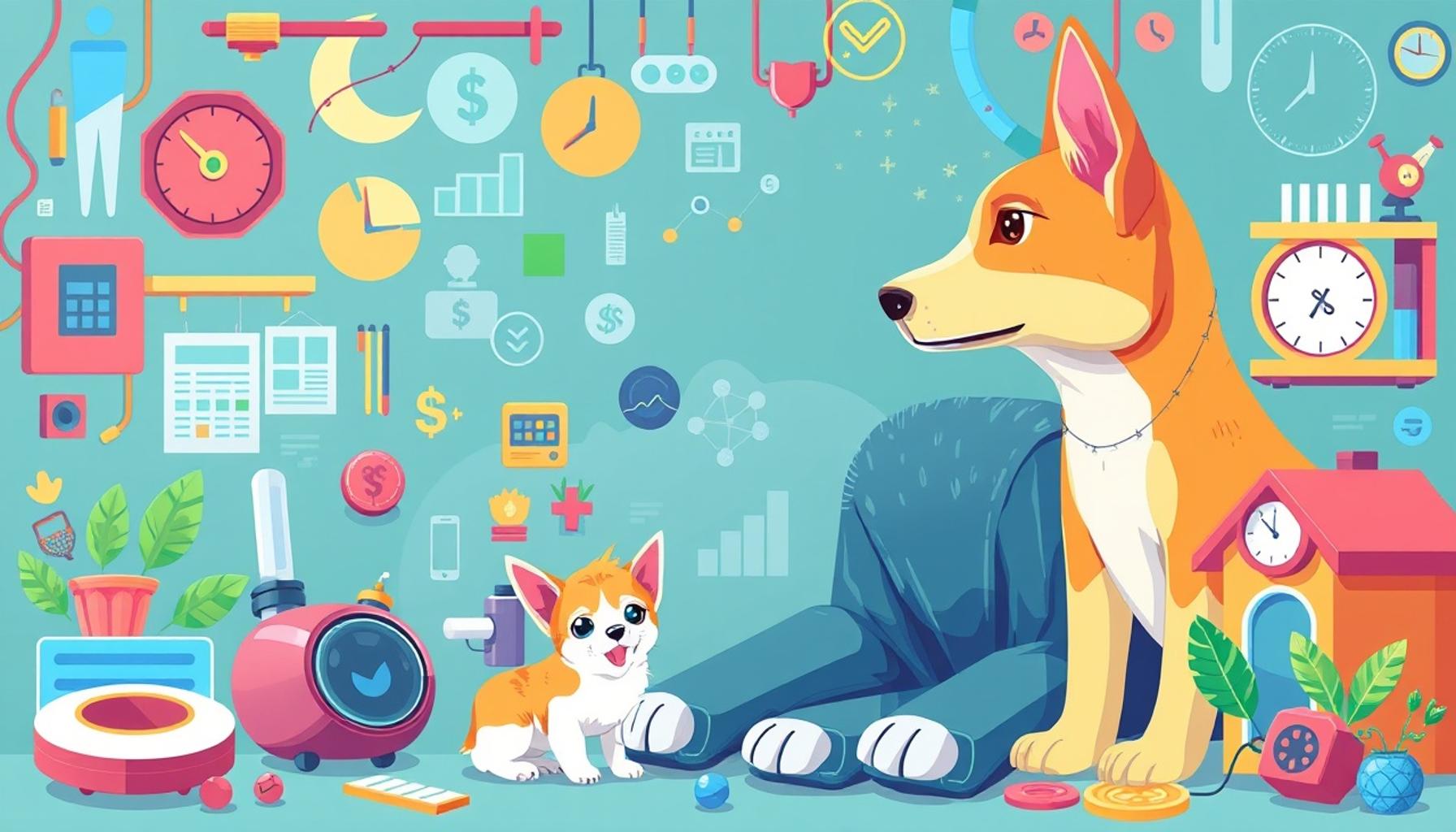
Impact of Owners’ Mental Health on Pets’ Health: A Bidirectional Relationship

The Complex Dynamics of Pet Ownership and Mental Health
The bond between pet owners and their furry companions is often described as unbreakable. However, recent studies reveal that this relationship may be more complex than it seems. A growing body of evidence suggests a bidirectional relationship exists between the mental health of owners and the well-being of their pets. This intricate link underscores how deeply intertwined the lives of pet owners and their animals can be, impacting their emotional landscapes in profound ways.
This interdependent connection manifests in various ways, including:
- Stress and Anxiety: Owners experiencing high levels of anxiety can inadvertently transfer their stress to their pets. For instance, a study published in the Journal of Veterinary Behavior found that anxious dog owners tend to have dogs that display similar anxious behaviors, such as excessive barking or restlessness. This cycle of anxiety can exacerbate conditions for both parties, creating an environment filled with heightened tension.
- Depression: Pets of depressed owners may exhibit symptoms like withdrawal or changes in behavior. Animals are remarkably perceptive and can pick up on their owner’s emotional cues. For example, cats may become less interactive, and dogs might lose interest in play or walks if their owners are struggling with depressive episodes. This can lead to a further decline in the pet’s mental health and resilience.
- Positive Reinforcement: Owners with good mental health often provide better care, making pets healthier and happier. A study by the American Psychological Association highlighted that pet ownership can serve as a form of emotional support, improving overall life satisfaction, which in turn reflects on how well pets are cared for, both physically and emotionally.
Understanding these dynamics is crucial for both human and animal welfare. For example, research indicates that:
- Greatly stressed pets tend to develop behavioral issues such as aggression or fearfulness, which can be troubling for both the pet and owner.
- A harmonious home environment promotes resilience in both pets and their owners. Pets thrive in stable atmospheres where their owners model positive coping strategies in the face of adversity.
- Effective coping strategies in owners can lead to healthier and more balanced pet behaviors, making training and socialization much more successful.
This article delves deeper into how owners’ mental health can profoundly influence their pets’ health and vice versa. By exploring researched connections between these relationships, pet owners can glean insights to foster better communication and understanding with their furry friends. This not only promotes healthier behaviors in pets but also assists owners in recognizing the importance of their own mental well-being. As we uncover this vital connection, we invite readers to reflect on how nurturing one’s mental health is essential to achieving a thriving companionship with their pets.
Understanding the Impact of Owners’ Mental Health on Their Pets
The dynamic between pets and their owners offers a fascinating glimpse into how emotional states can influence behavior and health on both sides. Research indicates that owners’ mental health significantly affects their pets, creating a cycle that can either promote well-being or foster distress. This relationship is particularly pronounced in households where pets are considered family members and integral to daily life.
When owners grapple with mental health issues, particularly conditions like anxiety and depression, their pets are often the first to feel the effects. One of the most critical points of concern is that pets can develop behavioral issues as a direct response to their owner’s emotional state. This phenomenon was explored in a comprehensive study conducted by the American Society for the Prevention of Cruelty to Animals (ASPCA), which identified that animals living with distressed owners displayed notable changes in behavior, from increased aggression toward others to withdrawal and fearfulness.
Furthermore, the role of companionship cannot be understated. Pet ownership, while beneficial, comes with the responsibility of understanding how one’s feelings can impact a pet’s emotional and physical health. Studies suggest that an owner’s mental state can affect major factors such as:
- Routine and Stability: Pets thrive on routine, and owners experiencing mental health struggles may inadvertently disrupt their pets’ daily schedules. A lack of regular exercise or inconsistent feeding times can contribute to obesity or anxiety in pets.
- Social Interaction: Owners battling depression may withdraw from social situations, leading to a reduction in their pets’ socialization opportunities. This can precipitate behavioral issues, especially in dogs, who require interaction to develop healthy social skills.
- Emotional Availability: Animals, especially dogs, are incredibly sensitive to human emotions. An owner who is overwhelmed by mental health challenges might be less attentive or nurturing, which can lead to a decrease in a pet’s emotional comfort, resulting in stress and anxiety.
To further exacerbate the challenge, pets might reciprocate these stressors. The stress of an owner can lead to noticeable health repercussions in pets, including weight gain, gastrointestinal issues, and even chronic diseases resulting from prolonged anxiety or discomfort. This interconnectedness emphasizes that the emotional and physical health of both parties is intricately linked.
Moreover, recognizing the role of environmental factors is also essential. A home filled with chaos or negative energy can breed insecurity and fear in pets, mirroring the owner’s mental state. Conversely, nurturing, stable environments foster resilience not just in pets, but in their owners as well. To cultivate a healthier relationship, owners may consider engaging in activities that promote positive mental health, such as exercise or mindfulness practices, which can profoundly enhance their pets’ quality of life.
As we delve deeper into this bidirectional relationship, it becomes increasingly evident that prioritizing mental health is not just a personal commitment; it is a vital component of responsible pet ownership. Understanding and addressing one’s emotional well-being can lead to immensely positive outcomes for both pets and their human companions.
| Aspect of Mental Health | Effects on Pets |
|---|---|
| Anxiety | Pets may exhibit stress-related behaviors, such as excessive barking or destructive actions, responding to their owner’s anxiety. |
| Depression | A depressed owner can lead to a reduction in pet care, impacting the pet’s health negatively, showcasing the bidirectional relationship. |
| Stress Management | Healthy stress management techniques in owners can greatly improve their pets’ well-being, underlining the importance of owner mental health. |
| Separation Anxiety | Pets may experience separation anxiety from their owners, leading to behavioral changes especially when they sense their owner’s emotional state. |
The intricate link between owners’ mental health and their pets’ health demonstrates how an owner’s emotional condition significantly influences their pet’s behavior and overall well-being. Emerging studies suggest that pets can mirror their owner’s emotional state, meaning high-stress environments may lead to increased anxiety in pets, showcasing the multifaceted nature of this relationship. Furthermore, as owners struggle with conditions like depression, the social interactions and physical activities that are crucial for pets may diminish, leading to adverse health outcomes. It serves as stark evidence that the welfare of pets is intricately tied to the mental health of their owners, calling for a holistic approach to care that acknowledges and addresses these interdependencies.
Exploring the Repercussions on Owners: How Pets Influence Their Human Companions’ Mental Health
As we continue unraveling the bidirectional relationship between pet ownership and mental health, it’s essential to examine how pets can simultaneously impact their owners’ emotional well-being. This intricate connection works in both directions, a phenomenon that has gained increasing recognition in the realm of psychological research.
Pets serve as a source of unconditional love and companionship, factors that can significantly mitigate feelings of loneliness, anxiety, and depression in their owners. Numerous studies have found that interacting with pets can elicit the release of oxytocin, the hormone associated with bonding and emotional connection. This biochemical response can create a sense of calm and happiness, making pets invaluable support systems for individuals facing mental health challenges.
Moreover, the presence of a pet can encourage owners to engage in healthy behaviors that bolster their mental health. Just as an owner’s mental state directly affects their pet, pets can motivate their owners to maintain a rigorous daily routine. Daily walks or playtime not only provide the necessary exercise for pets but also promote physical activity for their owners, which is vital for combating mental health issues. Research from the Human-Animal Bond Research Institute indicates that dog owners are often more active and report better mental health compared to non-pet owners.
Furthermore, in households where there may be a lack of social interactions, pets can serve as social facilitators. They provide owners with an opportunity to connect with others, through dog parks, pet training classes, or even casual conversations with neighbors. This social engagement can act as a buffer against feelings of isolation and contribute positively to mental health.
However, the responsibilities of pet ownership can sometimes act as a double-edged sword. While caring for a pet brings numerous rewards, it also adds a layer of responsibility that some owners may find overwhelming, especially if they are struggling with mental health issues. In instances of severe emotional distress, the burden of pet ownership may lead to increased anxiety about their pets’ health and well-being. This cycle can create a situation where an owner’s struggle with mental health indirectly manifests in their pets’ behavior, creating a feedback loop of stress.
It’s also crucial to consider the type of pet that might best suit an owner’s lifestyle and emotional needs. Research suggests that therapy animals and emotional support animals (ESAs) differ in their ability to support individuals with specific mental health disorders. Cats, for instance, tend to offer a quieter, more independent companionship, which may be preferable for those suffering from anxiety. In contrast, dogs typically require more attention and care, which can be beneficial for owners needing motivation and routine.
Lastly, the impact of pets on owners’ mental health brings forth important discussions regarding the broader implications on pet welfare. As more individuals turn to pets for emotional support, the necessity of responsible pet ownership becomes clearer. Owners must recognize their emotional state and its potential impact on their pets to cultivate a harmonious living environment that benefits both parties.
Understanding this bi-directional relationship reinforces the importance of mental health in pet ownership, prompting owners to consider not just their pets’ needs but their own well-being as well. In recognizing this overlap, we can pave the way for healthier households that nurture both pets and their owners.
Conclusion: Embracing the Interconnectedness of Mental Health and Pet Care
The impact of owners’ mental health on pets’ health is a significant facet of the intricate bidirectional relationship that exists between humans and their animal companions. As we have explored, the emotional well-being of pet owners does not merely ripple through to their pets; it generates a powerful feedback loop that influences both parties’ health. With pets often acting as vital sources of comfort and companionship, they play an essential role in alleviating their owners’ feelings of stress, anxiety, and loneliness. Conversely, owners must recognize that their emotional states can profoundly affect their pets, sometimes leading to behavioral changes or health issues in these beloved animals.
This highlights the necessity of addressing mental health not only for our own sake but also for our pets. More research is needed to explore how different types of animals may serve unique roles in supporting owners based on their emotional needs. For example, the responsibilities linked to pet ownership can foster healthier routines for some individuals, while for others, they may exacerbate stress and anxiety. Awareness of these dynamics can lead to more informed decisions when contemplating pet ownership and choosing the right pet.
As the conversation around mental health continues to gain prominence, understanding the dual influence between pets and their owners could lead to innovative approaches in therapy and emotional support. By fostering a holistic view that embraces the interconnectedness of mental health for both humans and animals, we can pave the way toward healthier, happier households. Through responsible pet ownership and self-care, individuals can create environments conducive to emotional well-being, thus enriching the lives of both themselves and their furry companions.

Beatriz
Beatriz Johnson is a seasoned pet care expert and writer with a passion for simplifying the complexities of pet ownership and animal well-being. With over a decade of experience in the field, she specializes in topics like pet nutrition, training techniques, and health care. Through her work on our website, Beatriz empowers pet owners to make informed decisions and provide the best possible care for their furry friends, ensuring happy and healthy lives for their beloved companions.