Music and Nature: The Musical Inspiration from the Natural World
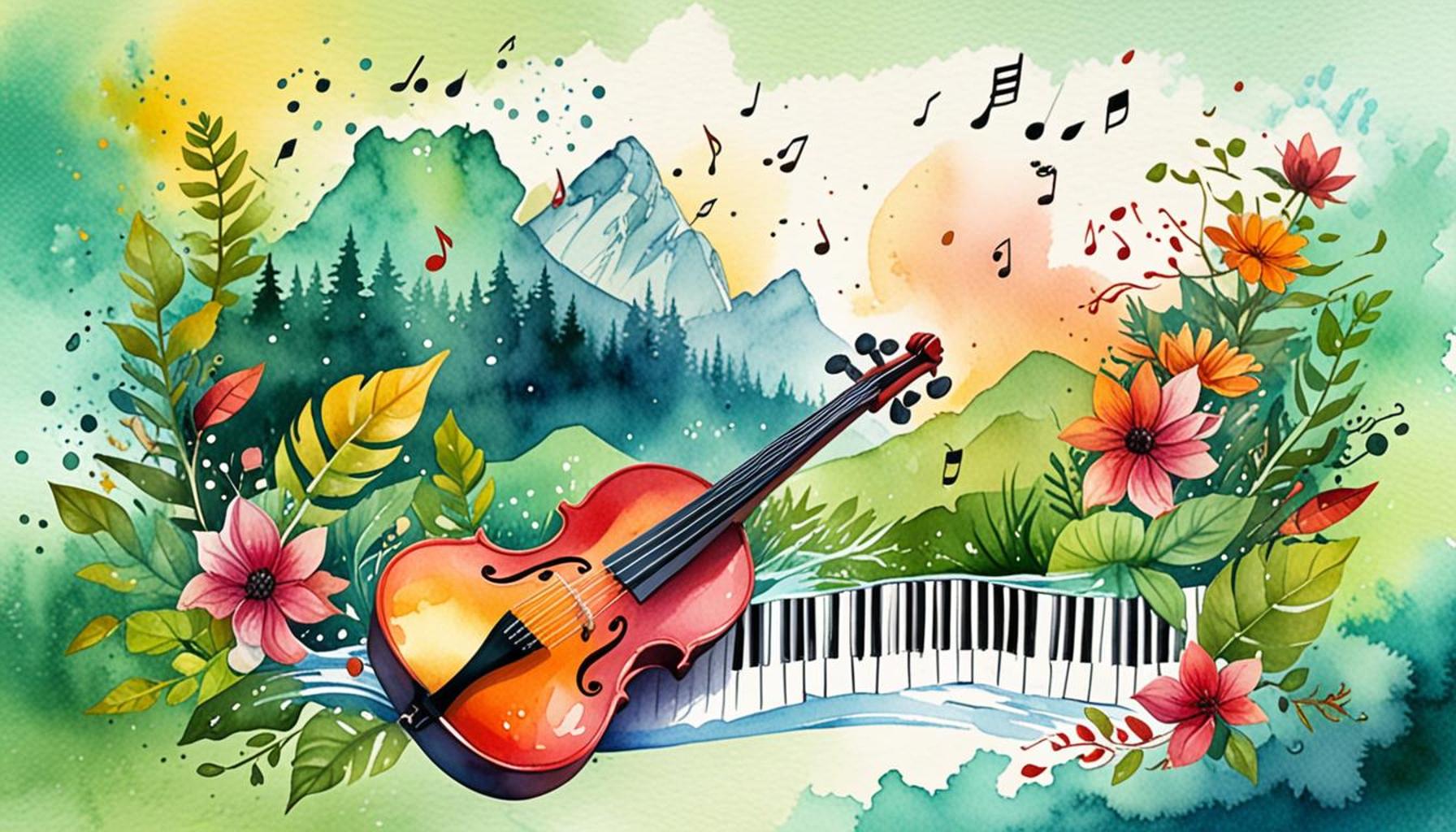
The Intricate Interplay of Sound and Nature
Imagine standing in a tranquil forest, where the gentle breeze rustles through the trees, accompanied by the melodic chirping of birds in the branches above. This natural symphony plays a vital role in the music we create, revealing a profound connection between music and the environment. This relationship transcends mere inspiration; it serves as a canvas for cultural expression and emotional resonance.
For centuries, musicians have turned to the natural world for creative fuel. The sounds surrounding us often evoke deep emotions and memories, influencing a wide array of musical styles. Consider the example of Beethoven‘s “Pastoral Symphony,” which brilliantly paints a serene landscape through its melodic lines and orchestration. This work reflects the composer’s love for rural life, illustrating how nature can evoke feelings of peace and contentment. Similarly, Claude Debussy‘s “La Mer” captures the essence of the sea, with its undulating melodies mimicking the movement of ocean waves, taking listeners on a journey across the water’s surface.
In the realm of jazz, artists like Louis Armstrong drew from the vibrant sounds of urban life. The hustle and bustle of 1920s New Orleans—the sounds of clattering streetcars, the blend of voices, and the lash of percussion from passing parades—sparked creativity that led to jazz’s profound evolution. This intersection of sound and environment crafted a genre that reverberated with the rhythm of city life.
Today, technology broadens the horizon for composers as they blend natural sounds into their work. From sampled bird calls to recordings of rain, modern artists creatively utilize these elements to enhance the emotional depth of their compositions. The growing movement of eco-music highlights this trend, using sound as a platform to raise awareness about pressing environmental issues. Musicians are increasingly drawn to the idea of writing songs that not only entertain but also advocate for environmental stewardship, urging listeners to resonate with the urgency of ecological preservation.
As we continue to explore the rich relationship between music and nature, we begin to see how our surroundings influence musical genres and shape the emotions of artists. This fusion is not merely about appreciation; it seeks to forge a deeper connection to the earth, urging us to listen to the world around us. Through this journey of sound, we become aware of our environment’s beauty and fragility, reinforcing how intertwined our lives are with the natural world.

DIVE DEEPER: Click here to discover more
Nature’s Sounds as Creative Catalysts
The natural world serves as an unparalleled source of inspiration for musicians across genres. Each rustle of leaves, each wave crashing against the shore, and every call of the wild not only shapes our experience but also shapes the very music we create. The ability to intertwine sound and environment shows that the art of music is not merely a human endeavor but a collaboration with nature itself.
Various genres harness the rich tapestry of natural sounds to convey emotion, tell stories, and transport listeners to different landscapes. For instance, the vibrant sounds of nature have played a crucial role in the development of folk music, which often reflects the realities of rural life and traditions. Artists like Woody Guthrie and Bob Dylan have drawn upon American landscapes, blending the sounds of wind and water with lyrics that echo the struggles and joys of the human condition.
In classical music, composers have long recognized nature’s profound influence. Modern composers like John Cage experimented with the sounds of nature, integrating environmental sounds into their performances, thus providing a groundbreaking perspective. Today, the genre of ambient music thrives on the idea of evoking a sense of place, often utilizing field recordings of nature to create immersive auditory experiences that encourage relaxation and reflection.
Moreover, the film industry has also capitalized on this synergy. The incorporation of natural sounds into film scores has the power to enhance the storytelling process significantly. The work of composers such as Hans Zimmer and Ennio Morricone demonstrates how the incorporation of sounds from nature can transport audiences to entirely different realms, evoking feelings that words alone cannot convey. Their music often transcends the screen, resonating with the rhythm of the environment portrayed.
Consider the following elements of nature that inspire musicians:
- Water: Rivers and oceans can symbolize tranquility or turbulence, reflected in compositions that emulate their rhythms.
- Wind: The sound of the wind can evoke feelings of freedom and change, influencing the dynamics of a piece.
- Wildlife: Animal calls can provide striking auditory contrasts, highlighting the balance of ecosystems in musical storytelling.
- Weather: Storms and sunshine often manifest in music that captures the contrasting elements of mood and energy.
This attention to environmental sounds extends beyond traditional music forms to encompass genres such as world music. Artists from diverse cultural backgrounds use indigenous sounds, instruments, and rhythms that reflect their surroundings, creating a rich auditory dialogue with nature. In many Indigenous cultures, music and nature are not separate entities but interconnected aspects of life that communicate cultural identity and traditions.
As we delve deeper into the intricate relationship between music and nature, we begin to appreciate the myriad ways in which the environment shapes our shared cultural expressions. This ongoing dialogue not only emphasizes our artistic creativity but also highlights the need for environmental awareness, inviting us to hear the world around us in a new light.
| Category | Description |
|---|---|
| Natural Soundscapes | Integrating the rhythms of wind, water, and wildlife to create soundscapes that inspire musical composition. |
| Healing Properties | The calming effects of nature’s sounds can enhance meditation and relaxation, making music a tool for emotional healing. |
Within the framework of music and nature, the captivating interplay between natural sounds and composition has been explored by musicians across cultures. Natural soundscapes, composed of the soft rustling of leaves, gurgling streams, and the whispers of the wind, serve not just as inspiration but as vital components within many musical genres. The intricate rhythms found in nature provide a wealth of creative fodder for contemporary artists who seek to evoke the essence of the world around them.Furthermore, the healing properties of music inspired by the natural world extend beyond artistic expression, playing a significant role in mental health. Research has shown that listening to natural sounds can reduce stress levels and enhance overall well-being. As a result, musicians often incorporate nature sounds into their works to create immersive experiences that promote relaxation and emotional healing. This fusion of sound and environment invites listeners to engage with music on a deeper level, fostering a profound connection with both the melodies and the world they inhabit.
DISCOVER MORE: Click here for fun DIY projects
The Influence of Nature on Musical Techniques and Innovations
As artists delve deeper into the whispers of the natural world, they often discover innovative techniques that reflect the complexity and beauty of their surroundings. Natural sounds have inspired not only the themes of musical compositions but also the very methods used to create this art form. This evolution offers fascinating insights into how musicians have mimicked and embodied nature through their craft.
One prominent example is the use of nature-inspired instruments. Many cultures have developed unique instruments that emulate the sounds of nature. In the United States, the traditional Navajo flute, often crafted from local materials, resonates with melodies that echo the serene expanses of the desert landscape. Similarly, the didgeridoo, a wind instrument developed by Indigenous Australians, mimics the sounds of the Australian bush, connecting the musician to the rhythmic pulses of the earth.
Moreover, musicians have drawn inspiration from the physics of sound in nature. The phenomenon of polyphony, where multiple voices or instruments are harmonized, can be likened to the layered sounds found in a forest where birds, insects, and wind collaborate to create a symphony of life. Contemporary composers such as Philip Glass have utilized these ideas, creating compositions that reflect the intricate web of sounds within nature, inviting listeners to experience the world as a multi-dimensional auditory landscape.
With the advent of technology, modern musicians are now incorporating electronic elements to enhance the connection between music and nature. The rise of field recording technology allows artists to capture authentic environmental sounds, which can then be fused with traditional instruments. Prominent artists like Bon Iver have utilized this technique in their recordings, producing an ethereal blend of human emotion and natural ambiance. This synergy forges new pathways for creativity, as artists experiment with soundscapes that evolve from the very environment they inhabit.
The importance of this connection is evident in the growing movement toward environmental music, where artists intentionally create works that reflect their advocacy for nature conservation. A significant project is “The Wild Music Project,” which seeks to raise awareness about biodiversity through musical compositions inspired by different ecosystems. The project showcases the works of various musicians, highlighting the importance of preserving natural spaces that have long been a foundational source of artistic inspiration.
Furthermore, the psychological impact of these natural sounds cannot be overlooked. Research suggests that music infused with the essence of nature can enhance relaxation and reduce stress. The calming effects of natural sounds are often mirrored in musical compositions, making it a valuable tool for mental well-being. As studies continue to explore the therapeutic benefits of nature-based music, there is a growing recognition of the profound influence the environment has on both music creation and human experience.
Through examining the relationship between nature and musical techniques, it is evident that the natural world is not just a backdrop for artistic expression; it is a fundamental element that drives innovation, inspires creativity, and fosters a deeper understanding of our connection to the environment. As musicians continue to explore this intricate relationship, they open doors to new creative possibilities that resonate with the heart of nature itself.
DIVE DEEPER: Click here to start your creative journey
Conclusion: The Harmonious Connection Between Music and Nature
In conclusion, the intricate interplay between music and nature reveals a profound bond that shapes artistic expression and innovation. From the traditional nature-inspired instruments of Indigenous cultures to the contemporary use of field recordings, musicians have continuously drawn from their natural surroundings to create soundscapes that resonate with the essence of the earth. This relationship not only enriches the auditory experience but also enhances our understanding of the environment, as artists strive to translate the beauty and complexity of the world around us into their works.
The emergence of environmental music has transformed the way we perceive nature in art, urging listeners to cultivate a sense of awareness and appreciation for biodiversity. Projects like The Wild Music Project exemplify how music can serve as a powerful medium for advocacy, fostering a deeper connection between humanity and the planet. As psychological studies underscore the calming effects of nature sounds, the importance of music infused with natural elements becomes clear, encouraging a transformative experience that promotes mental well-being.
Ultimately, as we continue to explore the musical inspiration from the natural world, we uncover new pathways for creativity and expression. This ongoing dialogue between nature and music not only inspires artists but also invites us as listeners to engage more deeply with the sounds of our environment, reminding us of the beauty in the harmony that exists within the natural world. Thus, the journey through music and nature serves as an enriching exploration of the human experience, urging us to cherish and protect the world that inspires our creativity.
Related posts:
Exploring Musical Improvisation as a Form of Creative Freedom
Musical Expressions Impact on Emotional and Mental Well-being
The Impact of Music on Community Creation: Uniting People through Sound Expression
Music and Technology: How New Tools Transform Musical Expression
The Role of Music in the Construction of Cultural Identity
The Intersection of Music and Emotions: How Melodies Influence Our Feelings

Linda Carter is a writer and creative hobbies expert specializing in crafting, DIY projects, and artistic exploration. With extensive experience helping individuals discover their creative potential and bring their ideas to life, Linda shares her knowledge on our platform. Her goal is to empower readers with practical tips, inspiring ideas, and step-by-step strategies for success in the world of creative hobbies.