Music and Technology: How New Tools Transform Musical Expression
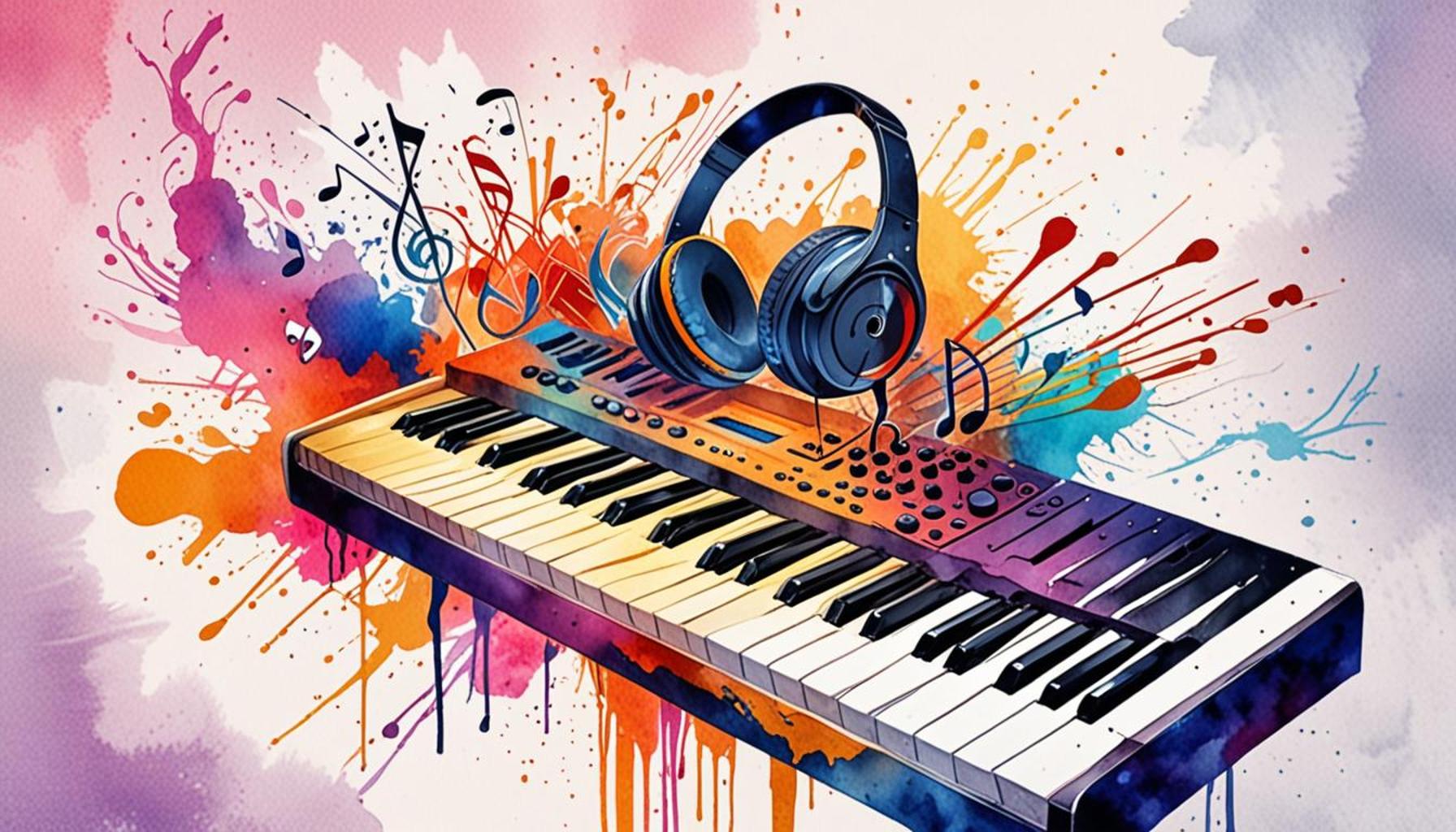
The Evolving Landscape of Music Production and Distribution
In today’s digital age, the harmony between music and technology is evolving at an unprecedented pace. Innovative tools are reshaping how artists create, produce, and distribute their work, leading to an explosion of possibilities that were once the realm of science fiction. The integration of technology has not only changed the production process but has also transformed how listeners experience and interact with music.
Consider how these advancements are impacting the music landscape:
- Digital Audio Workstations (DAWs): These powerful software applications, such as Ableton Live, FL Studio, and Pro Tools, allow musicians to compose and mix tracks without the constraints of traditional studio setups. Artists can record, edit, and manipulate sounds all within a single platform, enabling greater creative freedom. For example, acclaimed artist Billie Eilish and her brother Finneas have famously utilized a simple setup at home using Logic Pro to create award-winning tracks, underscoring the accessibility of modern music production.
- Synthesizers and samplers: With tools like the Moog synthesizer and Akai MPC, musicians can explore limitless sound design options, enabling unique musical expressions that span genres. Imagine the diverse sonic tapestry created by genres like electronic and hip-hop, which heavily rely on these instruments to craft innovative beats and melodies. Artists such as Daft Punk and Kanye West exemplify how synthesizers can be used not just as instruments, but foundational elements in their artistic identity.
- Online platforms: Services like Spotify, SoundCloud, and Bandcamp democratize music distribution, giving artists direct access to global audiences. Independent musicians can now release music with just a few clicks, often bypassing traditional record labels. This shift creates a more level playing field, where an aspiring artist can find success largely on their merit. For instance, the success of artists like Lizzo and Chance the Rapper highlights how grassroots movements and viral social media marketing can lead to mainstream recognition.
These innovations not only diversify creative practices but also challenge traditional notions of musical performance. As artists experiment with cutting-edge technology, they blur the lines between creator and consumer, giving rise to new formats of expression. One such format is the interactive concert, where audiences can influence the performance in real-time through apps. This interactivity raises questions about the authenticity of musical expression, engaging listeners on a deeper level than ever before.
This article delves into the dynamic relationship between music and technology, highlighting how contemporary tools transform the way we experience and appreciate art. From algorithm-driven playlists, which curate personalized listening experiences, to immersive audio experiences with surround sound and virtual reality, technology continuously reshapes our engagement with music. As we examine these remarkable advancements, it becomes clear that the future of music is not just about sound—it’s about the new connections and boundaries that technology helps us create.
DIVE DEEPER: Click here to discover the connection between nature and art</p
Revolutionizing Creation: The Impact of Music Technology
The rapid advancement of technology has ushered in a new era of creative possibilities that constantly redefines musical expression. As artists navigate this evolving landscape, they are equipped with powerful tools that enable more innovative and individualized artistic voice. This section will explore the key elements of music technology that are reshaping the creative process for musicians and transforming their approach to composition and performance.
One of the most significant breakthroughs in this realm is the proliferation of Digital Audio Workstations (DAWs). These versatile software platforms have democratized the music-making process, allowing artists to produce high-quality recordings from the comfort of their homes. Features such as built-in virtual instruments, multi-track recording, and expansive sound libraries facilitate experimentation and collaboration without geographical limitations. Artists like Taylor Swift have effectively utilized DAWs to create albums that resonate deeply with their audiences, proving that major productions can emerge from intimate, home-based settings.
Furthermore, the integration of artificial intelligence (AI) in music creation is gaining momentum. AI-driven software can analyze vast datasets of existing music, providing composers with valuable insights into trends and audience preferences. For instance, platforms like Amper Music and Jukedeck allow users to generate original compositions based on specified criteria, enabling even novice musicians to experiment confidently. As AI continues to evolve, it raises thought-provoking questions about inspiration and originality in music, challenging artists to think critically about their creative processes.
Additionally, music sampling has evolved dramatically with technology. Artists are now capable of extracting sounds from a multitude of sources and manipulating them at will, giving rise to an entirely new genre — the remix culture. The iconic DJ Shadow, for instance, has masterfully blended various musical elements using sampling techniques, paving the way for others to explore this artistic avenue. This accessibility has empowered musicians to pay homage to their influences while fostering a rich tapestry of innovation.
Moreover, the advent of virtual reality (VR) and immersive audio technologies has revolutionized the way audiences experience music. The rise of VR concerts creates a11 new means for fans to engage with their favorite artists in an entirely new dimension. Innovators such as Travis Scott and platforms like Roblox have blurred the lines between gaming and live performance, allowing for interactive experiences that were unthinkable just a few years ago. Such experiences heighten emotional connections with music, enchanting millions of fans across the globe.
As we stand at the crossroads of music and technology, it is essential to recognize that these tools do more than simplify processes—they elevate the art form itself. By embracing modernity, artists are challenged to redefine their skills and discover new forms of storytelling through sound. The collaboration between music and technology not only expands the horizons of artistic expression, but it also beckons listeners to re-evaluate their relationship with music in an increasingly digital world.
| Category 1 | Category 2 |
|---|---|
| Digital Audio Workstations (DAWs) | Facilitates advanced music production and editing. |
| Enhanced Accessibility | Allows aspiring musicians to create without costly studio setups. |
As technology evolves, so does the way we express music. Digital Audio Workstations (DAWs) have revolutionized the music production landscape, shifting the power of creation away from traditional studios right into the hands of artists. Individual creators now have access to powerful software that enables them to compose, record, and edit with remarkable precision and sophistication. Additionally, the enhanced accessibility that these tools offer democratizes music production. Musicians can create high-quality recordings from the comfort of their homes, eliminating the financial barriers once faced with hiring studios or professional engineers. This opens the gates for diverse expressions from underrepresented artists, ushering in a new era of creativity and innovation in the music industry. Moreover, the integration of apps and cloud-based platforms fosters collaboration among artists globally, further transforming how music is made and shared. As listeners, we witness an exciting expansion of genres, sounds, and auditory experiences that illustrate the profound impact of technology on modern musical expression.
DISCOVER MORE: Click here to dive deeper
Expanding Horizons: Collaborative Innovation in Music
The intersection of music and technology is not merely about enhanced tools; it is a transformative space fostering collaborative innovation among artists, producers, and listeners. Today’s musicians have the ability to collaborate in real-time across the globe, transcending geographical boundaries thanks to cloud-based platforms and advanced communication technologies. Tools like Splice and Soundtrap allow creative minds to share and remix ideas instantaneously, promoting a culture where music knows no borders and where freshness thrives in collaboration. For instance, artists such as Rosalia and Billie Eilish have tapped into these collaborative ecosystems, often participating in joint projects that combine diverse influences and styles, ultimately culminating in genre-defying sounds.
In addition, the surge of streaming platforms has further shifted the paradigm of music production and distribution. Services like Spotify, Apple Music, and SoundCloud are central to the way artists reach audiences, allowing musicians to expose their work to millions without the traditional barriers imposed by record labels. This much more egalitarian approach enables independent artists to build their fan base organically while directly engaging with listeners. Beyond mere consumption, these platforms have contributed to a more participatory culture; fans now have the ability to connect with artists through social media, providing feedback and shaping the creative process.
Moreover, the innovation of music distribution blockchain technology presents exciting potential for the music industry. With transparency and security at its core, this technology allows artists to retain more control over their work and earnings than ever before. Platforms like Ujo Music and Audius are leading the charge in harnessing blockchain to ensure fair compensation and provide clear rights management. Such initiatives challenge conventional systems by encouraging musicians to adopt a more entrepreneurial mindset, opening avenues for financial sustainability in an industry often riddled with inequities.
The advent of mobile music production apps has further democratized music creation, placing the power of producing music in the hands of anyone with a smartphone. Applications like GarageBand and FL Studio Mobile offer an array of tools that empower users to experiment with music on the go. This accessibility fosters creativity, sparking a wave of emerging artists who are no longer reliant on traditional studio settings. The legendary Hans Zimmer exemplifies this shift, having used mobile devices to sketch ideas for film scores while traveling, demonstrating that creativity can occur anytime and anywhere.
Additionally, the rise of social media platforms such as TikTok and Instagram has introduced a new avenue for musical expression and discovery. Viral challenges and trends lead to expansive reach, propelling songs into popularity overnight. The case of Lil Nas X‘s “Old Town Road” illustrates this phenomenon perfectly—a song that amassed millions of streams partly due to its popularity on TikTok, reshaping how hits can be generated in today’s music landscape. Such social platforms not only serve as marketing tools but have become integral to the very fabric of the creative process, influencing song creation and making audience interaction a dynamic part of the experience.
As advancements continue to unravel in the world of music technology, the vitality of collaboration, distribution, and creativity remains at the forefront of musical expression. Each new tool, whether it’s a cloud-based sample library or an immersive live-streaming platform, challenges artists to engage in diverse methods of expression, refine their craft, and connect with audiences in ways that were once unimaginable.
DIVE DEEPER: Click here to discover the evolution of digital platforms
Conclusion: The Evolution of Musical Expression
The intricate relationship between music and technology continues to redefine the landscape of musical expression, offering unprecedented opportunities for creativity and collaboration. As we have explored, advancements such as cloud-based platforms, mobile production apps, and social media engagement have empowered musicians to craft and share their art in ways that were once unimaginable. The rise of streaming services has also democratized music distribution, enabling artists from all walks of life to connect with vast audiences, thereby shifting the balance of power in the industry.
Moreover, blockchain technology emerges as a potential game-changer, ensuring artists gain fair compensation for their work, thereby enhancing financial sustainability in an ever-evolving market. This innovation is bolstered by the DIY ethos fostered by accessible tools, allowing anyone with a passion for music to express themselves regardless of traditional barriers. Social media platforms like TikTok and Instagram further amplify this creative revolution, granting artists immediate feedback and interaction with their fans, leading to a richer and more participatory music culture.
As emerging technologies continue to transform our auditory landscape, the question remains: how will future artists leverage these tools to push boundaries even further? The potential for exploration and innovation in musical expression is limitless, encouraging both established and fledgling musicians to engage deeply with their craft. Thus, the synergy of music and technology not only enhances our listening experience but also paves the way for the next generation of creativity, inspiring ongoing dialogue and exploration within the realm of sound.
Related posts:
The Influence of Folk Music on Cultural and Community Expression
The Influence of Music Education on Children's Creativity
The Musical Expression in Visual Arts: The Interaction between Music and Painting in Artistic Creati...
How Musical Improvisation Boosts Creativity Across Life Areas
The evolution of digital platforms and their impact on creative musical expression
Musical Expressions Impact on Emotional and Mental Well-being
Linda Carter is a writer and creative hobbies expert specializing in crafting, DIY projects, and artistic exploration. With extensive experience helping individuals discover their creative potential and bring their ideas to life, Linda shares her knowledge on our platform. Her goal is to empower readers with practical tips, inspiring ideas, and step-by-step strategies for success in the world of creative hobbies.