Music as a Tool for Communication in Times of Crisis
Exploring Music’s Role in Communication and Connection
In challenging times, when words often fail, music emerges as a universal language that can transcend barriers. It serves not only as a form of entertainment but also as a powerful tool for communication and connection in the face of adversity. Music has the unique ability to evoke raw emotions, allowing individuals to express feelings that may be difficult to articulate through speech. This power becomes especially evident in moments of crisis.
Music in Protests and Social Movements
Historically, music has played a crucial role in protests and social movements. For instance, during the Civil Rights Movement in the 1960s, songs like “We Shall Overcome” became anthems for unity and hope. Its lyrics encouraged individuals to stand firm in their fight for equality, creating a sense of shared purpose. This can also be seen in contemporary movements such as Black Lives Matter, where artists use their platforms to raise awareness through powerful lyrics. From Kendrick Lamar’s “Alright” to Janelle Monáe’s “Hell You Talmbout,” music has both inspired action and provided comfort to those affected by systemic injustice.
Music’s Role Following Natural Disasters
In the wake of natural disasters, music often serves as a vehicle for relief and recovery. Benefit concerts, such as “Hand in Hand,” which took place after Hurricane Harvey, aimed to raise funds and awareness for affected communities. Such events not only provide financial support but also foster a sense of solidarity among attendees. They serve as a reminder that even in devastating circumstances, the spirit of giving and community can be uplifted through the power of song. Moreover, artists like U2 and Taylor Swift have held concerts where all proceeds go to rebuilding efforts after disasters, showcasing the music industry’s commitment to humanitarian causes.
Connecting Through Music During a Pandemic
The COVID-19 pandemic introduced new challenges, forcing people into isolation and social distancing. However, communities around the world found solace in music. Weekly events like “Italy’s Nightly Balcony Concerts” and the viral trend of artists performing from their homes—think of the *Together At Home* series—brought joy and a sense of belonging to many. As people streamed performances online, they not only enjoyed music but also shared their experiences and emotions in real time with others, fostering a virtual connection that transcended physical distance.
These instances illustrate that music can convey emotions, rally support, and even motivate action. It forges connections among people who share similar struggles and aspirations, demonstrating the profound impact of sound in society. As we navigate our own contemporary crises, exploring how music influences communication offers insights into its broader societal role. This exploration invites us to reflect on the melodies that resonate with our experiences and shape our narratives.
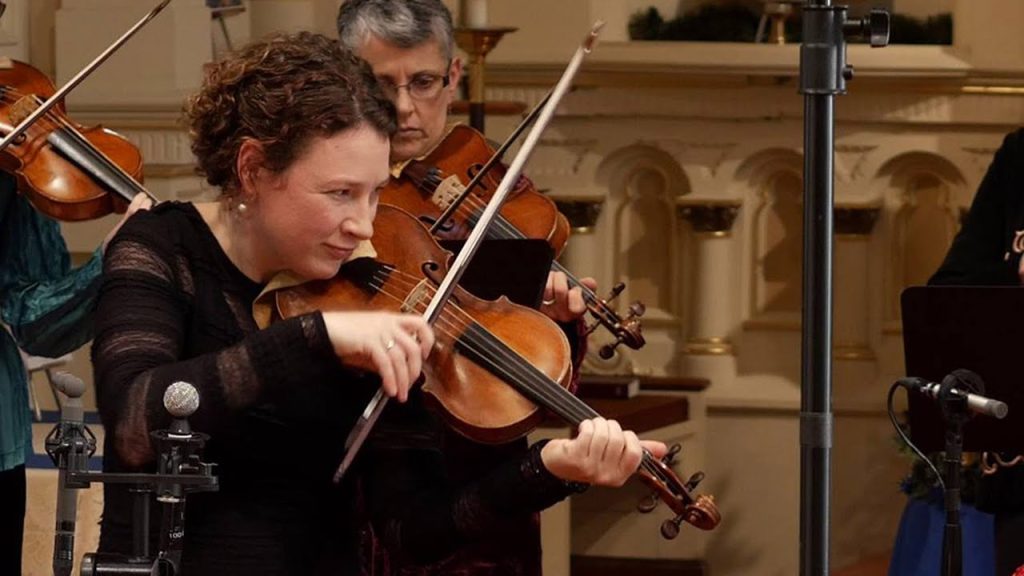
Ultimately, music is more than just a backdrop to our lives; it is a vital lifeline during turbulent times. Whether it is through poignant lyrics or the rhythmic beat of a drum, music continues to provide comfort, foster community, and inspire change, serving as a reminder that we are never truly alone, even amidst chaos.
DISCOVER MORE: Click here to dive deeper
The Healing Power of Music in Crisis Situations
In various crises, be it social upheaval or natural disasters, the role of music as a tool for communication becomes increasingly evident. Music not only serves as a catalyst for change but also as a source of emotional support and resilience during trying times. Its ability to articulate feelings that often escape verbal expression allows individuals to connect, reflect, and even find solace amidst chaos.
A Soundtrack for Resilience
One of the most compelling aspects of music in crisis is its capacity to foster resilience. When facing hardship, people often turn to music to cope with their feelings of despair or anxiety. Studies indicate that listening to music releases dopamine, a chemical in the brain associated with pleasure, providing an uplifting effect that can alleviate stress and promote mental health. This phenomenon is amplified in collective experiences of crisis, where songs serve as a shared soundtrack, binding people together in their journeys of recovery. For example, researchers have found that communities affected by disasters often participate in group singing or music-making as a way to process grief and uplift one another.
The Use of Music in Public Health Campaigns
Another significant way music acts as a tool for communication in times of crisis is its incorporation into public health campaigns. During the COVID-19 pandemic, organizations utilized music to convey important health messages, such as handwashing techniques or the importance of vaccinations. Creative initiatives like “Songs for Screens” encouraged artists to pen catchy tunes that could be easily shared across digital platforms, drawing attention to critical health guidelines. The infectious rhythms and engaging lyrics made these messages more memorable, illustrating how artistic expression can promote positive behavior change during a health crisis.
Music Therapy: An Essential Resource
Music therapy has also emerged as an invaluable resource for coping with trauma and mental health issues that arise during crises. Trained music therapists employ music to address emotional, cognitive, and social needs, providing individuals with a safe medium through which to express themselves. This therapeutic practice has been particularly effective among survivors of disasters, enabling them to navigate complex emotions. Some studies demonstrate that music therapy sessions not only enhance emotional well-being but also improve interpersonal relationships, as clients find common ground through shared experiences with music.
Connecting Across Generations and Cultures
The ability of music to bridge generational and cultural gaps can also play a critical role during times of crisis. Songs can carry themes and messages that resonate across different backgrounds, creating understanding and empathy. In instances where dialogue falters, music can foster connections by reminding us of our shared humanity. This universality is evident in initiatives like “One World: Together At Home,” which featured artists from diverse backgrounds uniting for a virtual concert that celebrated global solidarity during the pandemic, ultimately showcasing that music can transcend borders and inspire collective healing.
As we explore these various dimensions, it becomes clear that the power of music extends well beyond mere entertainment. It acts as a vital form of communication, enabling people to process their experiences, connect with one another, and find hope even in the direst situations.
| Category | Description |
|---|---|
| Emotional Expression | Music serves as a powerful medium for expressing emotions during crises, allowing individuals to convey feelings that may be difficult to articulate through words. |
| Community Solidarity | Through shared musical experiences, communities can foster a sense of unity, helping to mitigate feelings of isolation and despair in challenging situations. |
| Information Dissemination | In times of emergency, music can be used to relay important information quickly and effectively, serving as a creative method to ensure the message reaches a wide audience. |
| Therapeutic Benefits | Engaging with music can provide significant psychological relief, acting as a coping mechanism that fosters resilience during turbulent times. |
Incorporating music as a strategic tool within the context of crisis communication not only enhances emotional expression but also fosters community solidarity. Music creates an atmosphere of togetherness, encouraging individuals to bond through shared experiences and collective emotions. Furthermore, its role in disseminating crucial information underscores its adaptability; music can encapsulate urgent messages in a memorable format. The therapeutic benefits of music shine brightly in these moments, allowing individuals to navigate difficulties with heightened emotional support and enhanced resilience. Through the lens of music, we uncover multidimensional communication strategies that deepen our understanding of human connection during crises.
DISCOVER MORE: Click here for creative writing techniques
The Role of Music in Social Movements and Activism
Music has long been an essential component of social movements, providing anthems for change and a rallying cry for collective action. During times of crisis, whether they be political, social, or environmental, musicians often utilize their art to communicate messages and mobilize communities. Songs like “We Shall Overcome” became synonymous with the Civil Rights Movement in the United States, uniting people under a common purpose. The blend of powerful lyrics and emotive melodies fosters a feeling of unity and determination, driving movements forward.
The Evolution of Protest Music
The landscape of protest music has evolved significantly over the decades, adapting to reflect contemporary issues. In the 21st century, artists like Beyoncé and Childish Gambino have created powerful soundtracks that articulate the frustrations and aspirations of marginalized communities. The chart-topping track “This Is America” by Childish Gambino highlights systemic racism and the complexities of the African American experience, effectively communicating urgent social issues through a captivating musical framework. These heightened emotional narratives resonate with listeners, igniting discussions and encouraging action, illustrating how music serves as a potent tool for social commentary during crises.
Community Engagement through Music Events
Moreover, music events, concerts, and festivals can act as gathering points for community engagement. In numerous instances, local artists and music festivals have raised awareness and funds for crisis-related causes. For example, the “Concert for America” series has brought together a variety of artists to address critical social issues, from homelessness to climate change. By transforming entertainment into meaningful gatherings, these events foster a sense of community solidarity and promote dialogue among attendees, reflective of shared experiences.
The Digital Age: Music’s Reach in Modern Crises
The rise of digital platforms has revolutionized how music communicates during crises, allowing for swift dissemination and sharing of messages across the globe. The accessibility of social media serves as a powerful tool for artists to amplify their voices. During the recent Black Lives Matter protests, numerous musicians used platforms like Instagram and Twitter to spread their messages and raise awareness. Hashtags aligned with musical campaigns, such as #BlackoutTuesday, have mobilized collective action and encouraged conversations surrounding racial inequality, transforming songs into calls for justice.
Music as a Form of Protest Art
In addition to mainstream music, grassroots movements utilize local and independent artists to express dissent and inspire hope. From underground rap battles to folk songs about community struggles, these forms of artistic expression allow marginalized voices to share their stories and experience a sense of catharsis. By engaging in music-making during crises, individuals often find empowerment in their creativity, which can contribute to social change and resilience.
As we explore the multi-faceted nature of music during periods of crisis, it becomes apparent that its ability to communicate complex emotions, drive activism, and foster community connections is unmatched. More than just an art form, music provides a critical lens through which we can navigate, challenge, and ultimately transform our realities in times of need.
DON’T MISS: Click here to discover budget-friendly DIY projects
Conclusion: The Transformative Power of Music in Crisis
In conclusion, the examination of music as a tool for communication in times of crisis reveals its profound legacy in shaping human experiences and driving societal change. From national anthems that unify movements to grassroots compositions resonating within local communities, music serves as a universal language that transcends barriers and connects individuals amid turmoil. As we have explored, the evolution of protest music is particularly significant, with contemporary artists channeling their creativity to capture the essence of contemporary struggles, transforming their platforms into vital spaces for discussion and advocacy.
The role of music in enhancing community engagement is undeniable, especially during events designed to raise awareness and forge connections through shared experiences. In an increasingly digital world, the instantaneous nature of social media allows music to spread powerful messages rapidly, amplifying collective voices that can effect change. Notably, the capacity of music to function as a form of protest art empowers individuals to not only express dissent but also find solace and resilience through artistic expression.
Ultimately, the insights gained from this exploration prompt us to recognize music’s unparalleled ability to echo the sentiments of the times, driving people towards collective action and fostering unity. As ongoing challenges continue to emerge on both local and global stages, let us not overlook how this prevalent form of expression can inspire hope, catalyze movements, and ultimately lead to a more harmonious society.
Related posts:
Music as Therapy: The Impact of Musical Expression on Mental Health
The influence of music on self-expression and emotional well-being
The Influence of Music on Personal Self-Expression
Musical Expression at Different Stages of Life: From Childhood to Old Age
Music and Technology: How New Tools Transform Musical Expression
The Impact of Music on Community Creation: Uniting People through Sound Expression

Linda Carter is a writer and creative hobbies expert specializing in crafting, DIY projects, and artistic exploration. With extensive experience helping individuals discover their creative potential and bring their ideas to life, Linda shares her knowledge on our platform. Her goal is to empower readers with practical tips, inspiring ideas, and step-by-step strategies for success in the world of creative hobbies.