Music as Therapy: The Impact of Musical Expression on Mental Health
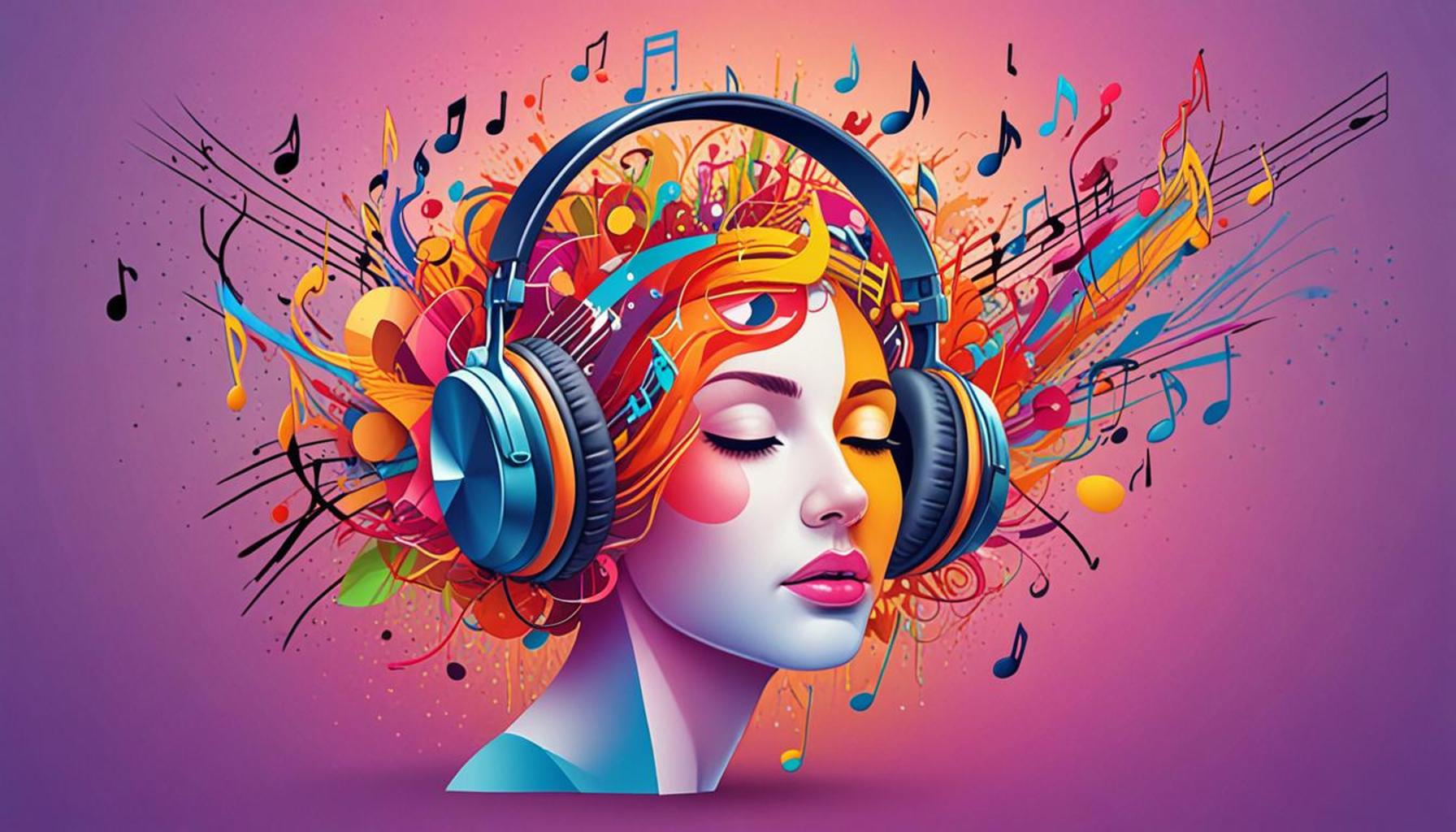
The Transformational Impact of Music on Well-Being
The therapeutic power of music has been recognized across cultures and centuries, but in today’s fast-paced world filled with stressors, its benefits are being profoundly highlighted within the realms of mental health and emotional well-being. From reducing anxiety to enhancing mood, music has a unique ability to resonate with individuals on a deeply personal level. Music therapy has evolved into a recognized practice that leverages musical intervention to bring about positive changes in mental health.
Scientific studies corroborate the myriad benefits of engaging with music. For instance, research published in the journal Psychosomatic Medicine indicates that listening to soothing music can markedly lower levels of the stress hormone cortisol. This reduction can facilitate relaxation and promote a sense of calm. Furthermore, according to a study conducted by the University of Pennsylvania, upbeat music, particularly in the genres of pop and classical, can boost serotonin levels in individuals, which contributes to a more positive outlook on life.
Additionally, music’s effects on cognitive function are well documented. A study from the University of California, Irvine, found that musical training can enhance memory and learning abilities by engaging various parts of the brain simultaneously. This cognitive stimulation serves not only to improve memory retention but also aids in emotional regulation, equipping individuals to better manage their feelings and responses.
One of the remarkable aspects of music therapy is its adaptability to cater to diverse mental health challenges. Conditions such as depression, Post-Traumatic Stress Disorder (PTSD), and Autism Spectrum Disorder (ASD) can benefit from music-focused interventions. In the case of PTSD, engaging with music can provide a non-verbal outlet for emotions, allowing individuals to process traumatic experiences in a way that feels safe and manageable.
Moreover, music therapy is not limited to passive listening; it encompasses creative expression through songwriting, singing, and movement. This interactive approach enables individuals to channel their feelings into a tangible form of expression. For instance, a recent program at a youth center in Los Angeles used collaborative songwriting to help at-risk teens articulate their struggles, resulting in improved self-esteem and a sense of community.
The exploration of music as therapy is an ongoing journey, revealing a landscape filled with opportunities for healing and self-discovery. Through further investigation and engagement in music therapy, individuals can experience profound transformations in their emotional and psychological well-being. As society continues to unravel the complexities of the human experience, the role of music will undoubtedly remain a vital component of holistic health practices.
DISCOVER MORE: Click here to dive deeper
The Healing Sounds of Music Therapy
Music therapy has garnered attention as a powerful tool in the sphere of mental health treatment. As professionals increasingly recognize the ability of musical engagement to foster healing, numerous studies underscore its efficacy. By actively incorporating music into therapy, individuals can experience profound benefits that extend beyond mere enjoyment, offering a pathway to emotional regulation and psychological healing.
The science behind music as therapy shows that it affects the brain in unique ways. For example, an investigation published in the journal Music and Medicine highlights how engaging with music can activate the brain’s reward centers, similar to the effects of pleasant experiences like eating or socializing. This activation releases neurotransmitters such as dopamine, which are often linked to feelings of happiness and satisfaction. Consequently, for those grappling with issues like depression or anxiety, music can become a gateway to improved mood and increased motivation.
Moreover, music therapy provides a structured yet creative environment where patients can express themselves freely. This expressive dimension allows for meaningful connections with one’s emotions, often leading to breakthroughs that traditional talk therapies may not achieve. For instance, a study by the American Music Therapy Association found that veterans with PTSD reported significant reductions in symptoms when participating in music therapy sessions that emphasized songwriting and lyrical composition. Such activities enabled them to articulate their experiences in a metaphorical way, creating a sense of distance from trauma.
Diverse Approaches to Music Therapy
Music therapy is diverse in its methods and practices, tailored to meet individual needs. Here are several approaches that practitioners may employ:
- Active Music Therapy: Involves hands-on engagement such as playing instruments, singing, or songwriting, which helps individuals express emotions and experience the joy of musical creation.
- Receptive Music Therapy: Focuses on listening to pre-recorded or live music, allowing for relaxation and introspection, often facilitating emotional awareness.
- Guided Imagery with Music: Pairing music with guided visualization helps patients explore their thoughts and feelings in a safe, mediated setting.
- Improvised Music Therapy: Encourages spontaneous musical creation, which fosters emotional release and therapeutic connection between the therapist and the patient.
The versatility of these methods speaks to the adaptability of music therapy, catering to a range of mental health challenges. Patients struggling with trauma, addiction, or even developmental disorders can find solace and expression through music, creating a space where healing can flourish.
Furthermore, as mental health awareness continues to grow, more individuals are seeking alternative treatments alongside conventional therapies. This evolving landscape paves the way for innovative practices and the integration of musical expression into mental health care, establishing a holistic approach that acknowledges the profound connections between sound, emotion, and well-being.
| Therapeutic Benefits | Effects on Mental Health |
|---|---|
| Emotional Release | Facilitates the expression of emotions that may be difficult to verbalize. |
| Improved Mood | Listening to or performing music can elevate mood and alleviate feelings of depression. |
| Stress Reduction | Music can lower cortisol levels, helping to reduce stress and anxiety. |
| Social Connection | Group music-making fosters community and support, reducing feelings of loneliness. |
Understanding the profound relationship between music and mental health can empower individuals and therapists alike to explore this avenue for healing. Music therapy serves not only as a creative outlet but also as an effective means of enhancing well-being. Numerous studies reveal that the act of creating or engaging with music can have long-lasting, positive effects on emotional and psychological health, making it a powerful tool in addressing challenges such as anxiety, depression, and trauma. Whether through singing, playing instruments, or simply enjoying playlists, the therapeutic elements of music can resonate deeply, promoting self-discovery, resilience, and emotional healing. As awareness grows about the benefits of musical expression in mental health care, more individuals are encouraged to incorporate music into their daily practices, underscoring its potential to transform lives and foster connection.
DIVE DEEPER: Click here to uncover the role of creative writing
The Power of Music in Mental Health Recovery
As the understanding of music as therapy expands, evidence continues to mount regarding its transformative effects on mental health recovery. A growing body of research indicates that music interventions can elicit physiological responses in individuals, leading to significant improvements in mental wellness. For instance, a study conducted by researchers at the University of Utah revealed that patients suffering from chronic pain experienced reduced anxiety and improved emotional states through music-assisted relaxation techniques. The harmonious vibrations not only distracted patients from their pain but also enacted changes in their brain’s chemistry, showcasing music’s ability to influence both mind and body.
During rehabilitation for addiction, music therapy plays a vital role as well. Many treatment centers in the United States incorporate musical activities to help individuals break free from substance abuse. According to a report from the National Institutes of Health, patients reported enhanced moods and a lower craving for substances after engaging in music therapy sessions. Specifically, those participating in group music-making found a sense of community that replaced feelings of isolation, thereby supporting their journey toward recovery.
The Emotional Resonance of Lyrics
The emotional resonance of lyrics serves as a bridge between musical expression and mental health. Many individuals find comfort in songs that articulate their experiences, fostering a sense of connection and understanding. Lyrics can validate emotions, providing listeners with a canvas to reflect on their struggles. The power of lyrics is especially evident in the realm of self-expression therapy, where patients are encouraged to write and perform their songs. This personal expression enables individuals to explore their trauma creatively, promoting healing through both the lyrical and melodic components.
A notable example can be seen in programs promoting music therapy for adolescents facing mental health issues. Many teenagers find it challenging to articulate their feelings, often leading to frustration. By encouraging songwriting and collaborative music creation in therapeutic settings, these programs not only provide a voice to youths but also help them process complex emotions in a supportive environment. As the American Psychological Association reports, this creative outlet aids in improving self-esteem and emotional regulation among young individuals.
Music Therapy in Diverse Populations
Music therapy is not confined to any single demographic; its application spans across various populations, including the elderly, those with developmental disabilities, and individuals experiencing dementia or other cognitive impairments. For elderly patients, particularly those facing the challenges of Alzheimer’s disease, music can evoke cherished memories and increase engagement. In fact, a study published in Journal of Music Therapy highlighted how familiar songs could provoke clearer recollections and emotional responses, serving as a vital tool in improving the quality of life for seniors.
The tailoring of therapeutic music techniques also extends to individuals on the autism spectrum. Music therapy helps build social skills and communication abilities in a non-invasive, enjoyable manner. The predictability of music often serves as an anchor, easing anxiety and encouraging interaction. Various programs across the U.S. utilize these methods, confirming notable improvements in social behavior and emotional expression among children and adolescents with autism.
The integration of musical expression into therapeutic practices continues to flourish, ushering in an era where sound and mental health coexist harmoniously. As more evidence emerges showcasing the myriad benefits of music therapy, it becomes evident that its potential to heal is vast and far-reaching, illuminating new paths for emotional recovery and mental well-being.
DIVE DEEPER: Click here to learn more
Conclusion: The Lasting Impact of Music Therapy on Mental Health
In summary, the exploration of music as therapy underscores the profound impact that musical expression can have on mental health across diverse populations. From alleviating chronic pain and fostering recovery from addiction to aiding emotional regulation in adolescents and enriching the lives of seniors with dementia, the therapeutic applications of music are wide-ranging and deeply transformative. As research from prestigious institutions like the University of Utah and the National Institutes of Health illustrates, music not only serves as a distraction from distress but also engages the brain in ways that promote healing and emotional resilience.
The effectiveness of music therapy lies not only in the melodies and rhythms but also in the personal engagement it fosters, allowing individuals to feel understood and connected. Programs that encourage self-expression through songwriting and collaborative music-making have proven invaluable in developing social skills and providing emotional outlets, particularly for young people. As noted by the American Psychological Association, these artistic forms of expression play a crucial role in enhancing self-esteem, a vital component of mental wellness.
As we continue to advance our understanding of mental health therapies, the integration of musical expression into treatment plans offers promising prospects. For those exploring avenues for emotional recovery, the evidence highlighting the efficacy of music therapy is compelling. It reinforces the notion that healing can indeed be harmonious. There is much to learn and investigate in this symphonic relationship between sound and mental well-being, and the journey of discovery is as essential as the healing itself.
Related posts:
Musical Expression at Different Stages of Life: From Childhood to Old Age
The Musical Expression in Visual Arts: The Interaction between Music and Painting in Artistic Creati...
Musical Expressions Impact on Emotional and Mental Well-being
Exploring Musical Improvisation as a Form of Creative Freedom
The Evolution of Music Genres and Their Influence on Personal Expression
The Influence of Folk Music on Cultural and Community Expression

Linda Carter is a writer and creative hobbies expert specializing in crafting, DIY projects, and artistic exploration. With extensive experience helping individuals discover their creative potential and bring their ideas to life, Linda shares her knowledge on our platform. Her goal is to empower readers with practical tips, inspiring ideas, and step-by-step strategies for success in the world of creative hobbies.