Natural Food vs. Commercial Food: What is Best for Your Cat?
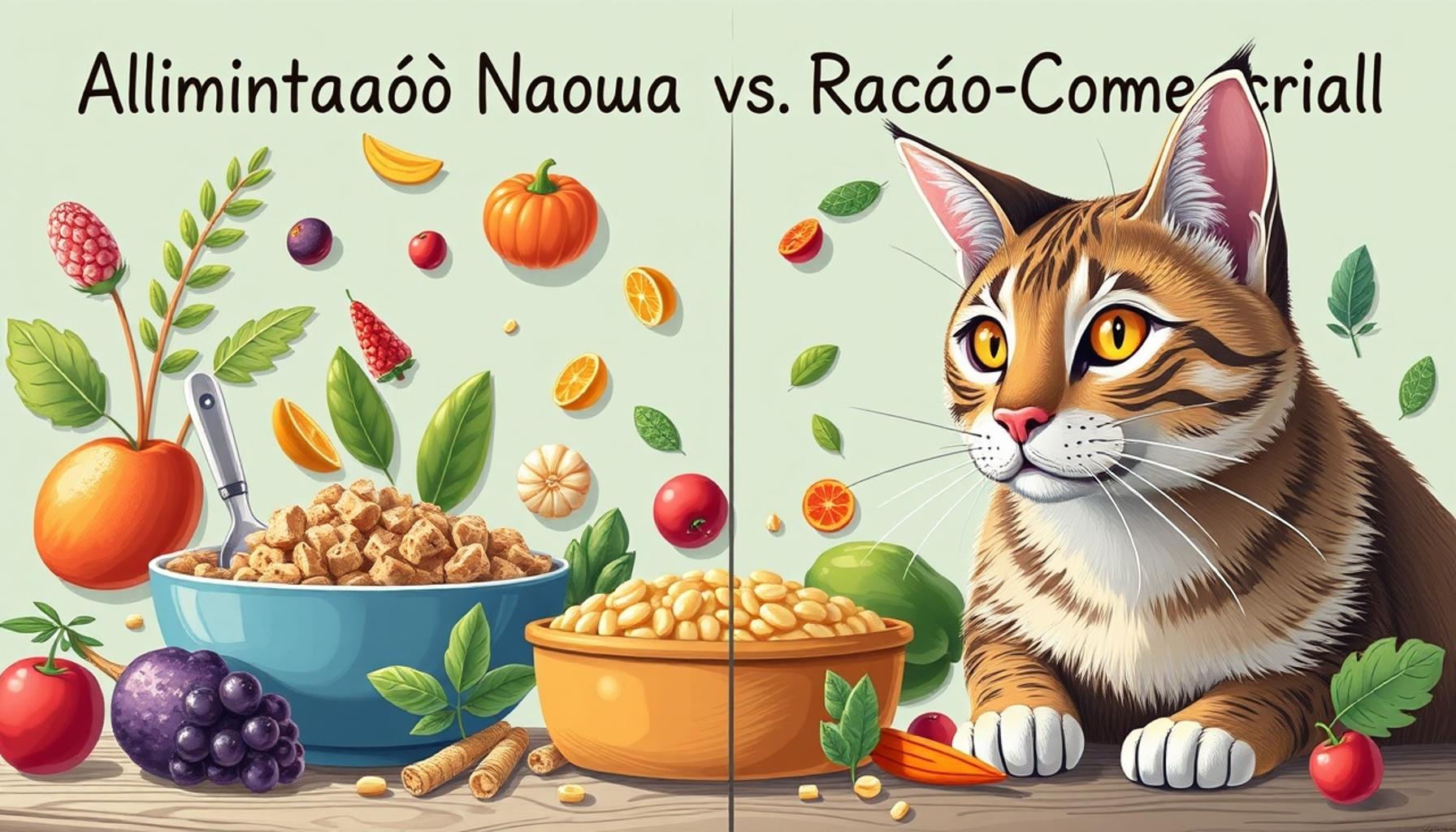
Feeding your feline friend can feel overwhelming with an abundance of options, particularly when contemplating the differences between natural food and commercial food. The right choice not only affects your cat’s diet but also their overall health and happiness. Understanding the unique characteristics of each type of food is essential for making an informed decision that will support your pet’s well-being.
Key Considerations
As you ponder what to fill your cat’s bowl with, several important factors must be taken into account:
- Ingredients: Natural foods typically emphasize whole food ingredients such as real meat, fruits, and vegetables. In contrast, many commercial foods may include fillers, artificial preservatives, and flavor enhancers to prolong shelf life and appeal to consumers. It’s vital to read labels carefully; look for products with identifiable ingredients.
- Nutrition: A natural diet may provide higher levels of certain nutrients, such as omega fatty acids and natural antioxidants, which are beneficial for skin and coat health. On the other hand, some commercial brands have developed specific nutrient-targeted formulas designed to cater to various needs, such as weight management or sensitive stomachs.
- Cost: Generally speaking, natural foods often command a higher price point than commercial options. This can lead to difficult budgeting decisions for pet owners looking to provide the best for their cats, making it essential to weigh the long-term benefits against immediate costs.
Additionally, food preferences are vital in determining what works best for your cat. Cats are finicky eaters, and some may relish the distinct flavors and textures found in natural diets, while others may gravitate towards the palatability of certain commercial brand offerings. Identifying your cat’s unique likes can help steer your decision-making process.
Common Misconceptions
Addressing common misconceptions can be enlightening in this discussion. For example, it’s crucial to remember that not all commercial cat foods are created equal. Many premium brands focus on high-quality ingredients and nutritional integrity that rival natural options. Therefore, it’s important to do thorough research and possibly consult veterinarians or pet nutritionists.
Moreover, it is a misconception that all natural food is inherently superior. While many natural brands emphasize fresh ingredients, some may not meet the nutritional benchmarks necessary for a well-rounded diet. Thus, it is vital to evaluate each product based on its individual merits and nutritional content.
As you uncover more about the natural food versus commercial food debate, valuable insights will emerge to guide you in selecting the best possible options for your beloved companion. Making informed choices can lead to a healthier and happier life for your feline friend, ensuring that mealtimes remain enjoyable and nourishing experiences.
DIVE DEEPER: Click here to learn more about how nutrition impacts your pet’s dental health
Exploring the Landscape of Cat Nutrition
When it comes to choosing the right food for your cat, not all options are created equal. The increasing awareness of pet health and nutrition has led many owners to scrutinize the contents of their cat’s food more than ever before. The debate between natural food and commercial food often stirs confusion, with each option presenting unique benefits and challenges. Understanding these aspects can help you tailor your cat’s diet to meet its specific needs.
The Allure of Natural Food
Natural cat foods are often prized for their wholesome ingredients. Typically devoid of synthetic additives, these foods contain high-quality proteins, whole grains, and vegetables that mimic a more traditional feline diet. Proponents argue that such diets contribute to better health outcomes, including:
- Improved Coat Quality: Rich in omega fatty acids and natural oils, a natural diet can lead to shinier, healthier fur.
- Enhanced Digestion: With fewer fillers and artificial ingredients, natural foods may promote better digestive health, reducing instances of upset stomachs and diarrhea.
- Natural Weight Management: Real ingredients often lead to more filling meals, which can help regulate your cat’s appetite and supports healthy weight maintenance.
In a market increasingly driven by consumer awareness, several brands have emerged that focus on the organic and sustainable sourcing of ingredients. Brands like Wellness and Blue Buffalo have become household names among those valuing quality in their pets’ diets. Additionally, the trend towards organic certification in pet food has sparked interest, encouraging owners to choose brands that meet rigorous standards.
The Practicality of Commercial Food
On the other hand, commercial cat foods—ranging from budget to premium options—offer a level of convenience that appeals to many pet owners. The structured manufacturing processes behind these foods ensure consistency in flavor and nutrition, which can be beneficial for pets with specific dietary needs. Common advantages of commercial cat food include:
- Cost Efficiency: Commercial foods often come at a lower price point, making them an accessible option for a wider audience.
- Nutritional Completeness: Many commercial brands adhere to strict dietary guidelines established by pet nutritionists, ensuring that their products contain all necessary vitamins and minerals.
- In Variety: From grain-free to limited ingredient formulas, the commercial market presents numerous options tailored to various dietary restrictions and preferences.
Nevertheless, navigating the commercial food landscape requires careful examination of ingredient lists. Some cheaper brands may resort to using lower-quality ingredients, leading to potential health implications. Products containing excessive fillers or by-products might not provide the balanced nutrition that your cat needs. It’s essential to conduct thorough research and consider options recognized for their commitment to quality.
The question of what is best for your cat is complex and deserves thoughtful consideration. In the upcoming sections, we will delve deeper into the implications of choosing between natural and commercial food, ensuring that you are well-informed to make the best decisions for your furry friend.
| Category | Key Features |
|---|---|
| Natural Food | Whole, unprocessed ingredients that support health. |
| Nutritional Transparency | Provides clarity on ingredients, ensuring natural vitamins and minerals are included. |
| Quality Control | Higher standards in sourcing can lead to better digestion and overall health. |
| Commercial Food | Convenience and accessibility for busy pet owners. |
| Cost-Effectiveness | More affordable and readily available across various retailers and brands. |
When comparing natural food and commercial food for your feline, it’s essential to evaluate how each option supports your cat’s nutritional needs while considering factors like ingredient quality, sourcing practices, and long-term health impacts. Just as consumers are becoming more conscious of their own diets, pet owners too are increasingly looking to provide their cats with the most beneficial nutrition possible. The transition toward natural foods underscores a growing trend where improving overall wellness and reducing reliance on artificial preservatives is becoming paramount.In your journey as a responsible cat owner, understanding the clear distinctions and benefits of natural versus commercial food can lead to informed decisions. Whether opting for the raw and organic or the convenience of pre-packaged options, each avenue has unique implications for health and vitality, inspiring you to explore and prioritize what aligns best with your pet’s needs. This intriguing debate fuels discourse in veterinary circles and among pet enthusiasts alike, driving an interest to delve deeper into the implications of your cat’s diet.
DIVE DEEPER: Click here to learn how nutrition influences your pet’s dental health
The Nutritional Dynamics: A Closer Look at Ingredients
While both natural food and commercial food have their merits, a deep dive into the nutritional dynamics reveals critical differences in the ingredients used. In the realm of cat nutrition, an informed choice hinges largely on understanding the quality and source of the ingredients listed on packaging.
Decoding Ingredients in Natural Foods
Natural cat foods often boast shorter ingredient lists, featuring whole foods that are less processed. This simplicity can contribute to higher digestibility and bioavailability of essential nutrients. Common ingredients include:
- High-Quality Proteins: Meals made from real meat, such as chicken, beef, or fish, serve as the primary protein source, closely aligning with a cat’s obligate carnivore nature. The presence of named meats rather than generic terms like “meat meal” can indicate quality.
- Whole Grains and Vegetables: Ingredients like brown rice or sweet potatoes can offer necessary carbohydrates and fiber. These natural carbohydrates may provide energy and aid digestion, making for a well-rounded diet.
- Additives and Supplements: Instead of synthetic vitamins, some natural foods incorporate wholesome additions like flaxseed for omega fatty acids, enhancing overall health benefits.
Research suggests that cats fed with high-quality natural food may experience fewer food-related health issues over time, including allergies and sensitivities, by avoiding artificial preservatives and colors.
The Complexity of Commercial Ingredients
In contrast, navigating the world of commercial cat food can be trickier. While many reputable brands ensure high-quality ingredients, not all follow the same standards. Integral to making an informed decision is understanding common fillers and additives found in budget options, which may include:
- Meat By-Products: While not necessarily harmful, these can encompass various animal parts, which may vary in quality. Lack of transparency about meat sources can be a red flag for discerning pet owners.
- Excessive Fillers: Ingredients such as corn, wheat, and soy provide bulk but often lack substantial nutritional value. These fillers may lead to weight gain and related health issues due to unsatisfying diets that do not meet a cat’s nutritional requirements.
- Artificial Additives: Ingredients such as artificial colors, flavors, and preservatives can be concerning for sensitive cats. Choosing brands that prioritize natural preservatives like tocopherols (vitamin E) instead can be a safer option.
Statistics show that a significant percentage of pet owners remain unaware of the implications of these lesser-quality ingredients. Reports suggest that over 50% of commercial pet foods do not meet the quality standards that serious cat guardians demand.
Cost vs. Quality: The Investment in Feline Health
Ultimately, the decision often comes down to a balance of cost versus quality. While natural food may carry a higher price tag, the potential for improved long-term health in your cat could outweigh the initial investment. Comparatively, commercial food may appear more budget-friendly, but it is crucial to evaluate whether these options deliver adequate nutrition. Investing in a quality diet could translate to fewer vet visits and potential savings on health care in the future.
As you explore your options, it’s essential to engage with your veterinarian to ensure that your chosen food aligns with your cat’s unique dietary requirements and lifestyle. Each cat is an individual; thus their needs will vary based on factors like age, weight, and any health concerns. The journey into the realm of natural food vs. commercial food is not a one-size-fits-all scenario, but an opportunity for tailored, optimal nutrition for your cherished feline friend.
LEARN MORE: Click here to discover how nutrition impacts your pets’ dental health
Conclusion: Finding the Right Fit for Your Cat’s Diet
In the debate of natural food vs. commercial food, the choice ultimately lies in the unique needs of your cat and your understanding of their nutritional requirements. While natural foods often offer high-quality, minimally processed ingredients that can lead to improved health and fewer dietary issues, commercial foods can provide convenience and a range of options, albeit sometimes at the cost of quality.
As conscientious pet owners, it is vital to assess the ingredient labels and consider the source of proteins and other components in your chosen cat food. Knowledge of potential fillers and additives present in commercial brands can help safeguard your cat’s health. Before making any dietary changes, consulting with a veterinarian tailored to your cat’s specific needs is crucial, whether that involves transitioning to natural food or selecting the best commercial option available.
In essence, investing in high-quality cat food—whether natural or commercial—often translates into healthier, happier cats. The upfront costs tied to natural food might seem daunting, but the long-term health benefits and the well-being of your feline friend can make it worthwhile. As you embark on this journey to optimize your cat’s nutrition, arm yourself with information and heartily engage with your pet’s dietary choices, leading you to the best path forward.

Linda Carter
Linda Carter is a writer and pet care expert specializing in pet health, grooming, and wellness. With extensive experience helping pet owners create safe, loving, and enriching environments for their animals, Linda shares her knowledge on our platform. Her goal is to empower readers with practical advice and strategies to ensure their pets thrive and lead joyful, healthy lives.