Nutrition and Behavior: How Diet Can Affect the Emotional Well-Being of Cats
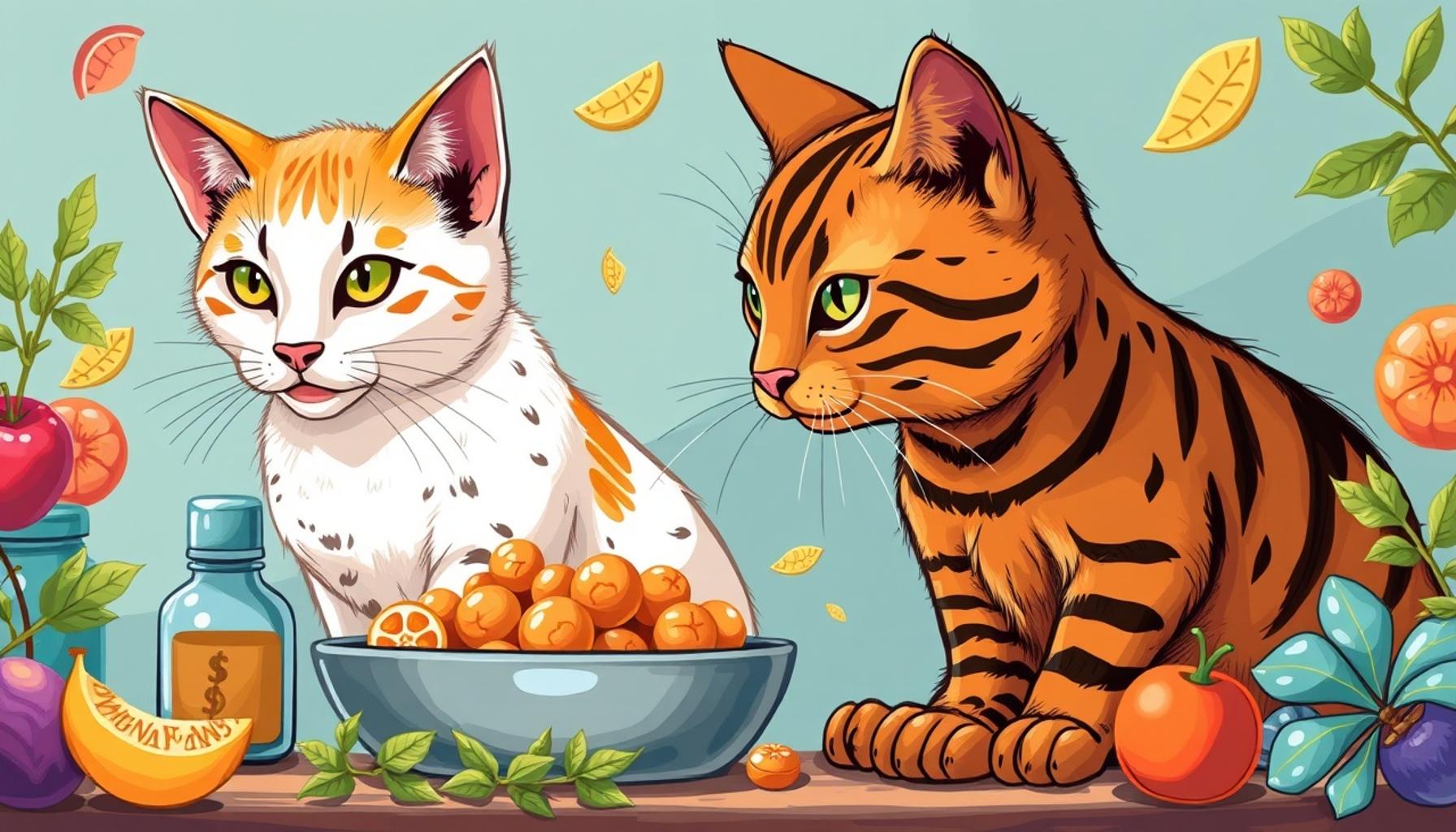
Understanding the Link Between Diet and Cats’ Emotional Health
The connection between a cat’s nutrition and its behavior is profound and often underestimated. As cat owners, it’s essential to recognize that what goes into our feline friends’ bowls doesn’t just fuel their bodies; it also shapes their moods and overall well-being. A balanced diet can pave the way for a happy and stable temperament.
When considering a cat’s diet, it’s crucial to understand several factors that may impact their emotional state:
- Types of Food: The quality and composition of cat food can significantly affect behavior. Cats require a diet rich in protein and specific nutrients. For example, foods high in carbohydrates can lead to fluctuations in energy and mood, making cats irritable or lethargic.
- Dietary Deficiencies: Lack of essential nutrients may contribute to anxiety and aggression. Deficiencies in vitamins like B12 or minerals like magnesium might not only affect physical health but can also lead to behavioral changes, such as increased aggression or withdrawn behavior.
- Feeding Schedule: Consistency in mealtimes can help reduce stress and promote a sense of security. Creating a routine around feeding can help cats feel more secure, as they thrive in environments where they know what to expect.
Research indicates that certain ingredients may play a role in influencing cats’ mood and behavior. For instance:
- Omega-3 Fatty Acids: These have been linked to reducing anxiety and promoting overall mental health. They support proper brain function and may even help alleviate symptoms of anxiety in cats.
- High-Quality Proteins: Essential for maintaining mood-regulating neurotransmitters. Proteins provide the amino acids necessary for serotonin production, a key chemical in regulating mood and feelings of well-being.
- Optimum Hydration: Adequate water intake can mitigate stress and keep cats mentally alert. Dehydration can lead to lethargy and irritability, making hydration as important as the food itself.
By examining how nutrition impacts emotional well-being, we can foster a healthier and happier life for our beloved pets. The right balance of nutrients not only enhances their quality of life but can also lead to a marked improvement in their behavior. For instance, after switching to a diet rich in omega-3 fatty acids, several cat owners reported seeing their pets exhibit less anxious behavior during loud noises such as thunderstorms.
Understanding this relationship not only enhances the quality of life for cats but also strengthens the bond we share with them. As pet owners in the United States, making an informed choice about pet food can lead to a happier home, fostering an environment where both owner and pet can thrive together. Thus, taking the time to research and properly nourish our feline companions can pay off in dividends when it comes to their emotional health and happiness.
The Impact of Specific Nutrients on Cat Behavior
As we delve deeper into the relationship between nutrition and a cat’s behavior, it’s essential to pinpoint the specific nutrients that play a pivotal role in influencing emotional health. Just as in humans, a well-rounded diet can significantly uplift a cat’s mood, whereas nutritional imbalances can lead to behavioral issues. Here are some key components that may influence feline behavior:
- Amino Acids: Cats are obligate carnivores, meaning they require a diet rich in meat for proper nutrition. Essential amino acids, such as taurine, are vital not only for physical health but also for mental stability. Taurine deficiencies can lead to anxiety and mood disturbances, impacting a cat’s overall emotional well-being.
- B Vitamins: These vitamins are crucial for normal nerve function and energy metabolism. Vitamin B12, in particular, supports brain health and can positively influence mood. A lack of these vital nutrients can contribute to nervousness and lethargy.
- Fatty Acids: The well-known omega-3 fatty acids found in fish oil have garnered attention for their role in mitigating anxiety in both humans and animals. Studies indicate that incorporating omega-3s into a cat’s diet can help alleviate stress, promoting a calm demeanor.
Moreover, just addressing the types of nutrients isn’t enough. Consideration must also be given to food formulation and how it’s presented to our feline companions. For instance, cats may benefit from a diet that is designed to mimic their natural hunting patterns. This involves not just the quality of food but also the texture and form. Wet food, for example, can be more palatable and hydrating than dry kibble, thus enriching the overall dining experience.
Another critical aspect is the inclusion of probiotics in cat food, which has been linked to improved gut health. Emerging research suggests a strong connection between gut health and emotional health in cats. A healthy gut microbiome can influence serotonin production, facilitating a better mood and reducing incidence of anxiety.
It’s also worth noting that food preferences can vary significantly among individual cats. Some may favor wet food for its moisture content, crucial for hydration, while others may prefer crunchy kibble. Identifying which type your cat enjoys most might help mitigate stress during mealtime and promote a consistent eating routine.
By understanding the specific nutrients that influence a cat’s emotional health, owners can make informed decisions about the type of diet that will best support their furry friends. Even small dietary changes can lead to noticeable improvements in behavior. For example, a simple switch to a high-protein diet rich in omega-3 fatty acids may be all it takes to help a previously anxious cat feel more secure and content.
Nutrition and Behavior: How Diet Can Affect the Emotional Well-Being of Cats
Understanding how nutrition influences your cat’s behavior can provide valuable insight into your furry friend’s emotional health. Studies demonstrate that certain dietary components can not only impact a cat’s physical well-being but their mood and behavior as well. For instance, diets rich in essential fatty acids, particularly omega-3s, have been shown to reduce anxiety and stress-related behaviors in cats. This suggests that including fish or fish oil in your cat’s diet could be an effective strategy to promote emotional stability.
Moreover, the role of protein intake is critical. Cats, being obligate carnivores, derive most of their nutrients from animal protein. Insufficient protein in their meals may lead to lethargy and irritability, as their bodies struggle to produce the necessary amino acids. Conversely, a well-balanced diet enhances energy levels and overall mood, making regular meal planning essential for maintaining a happy and healthy cat.
Another significant aspect is the impact of carbohydrates. While cats have a limited ability to digest carbohydrates, a spike in sugar can lead to hyperactivity followed by a crash, resulting in behavioral issues. Thus, selecting low-carb, high-protein diets tailored for feline health can aid in stabilizing energy levels, ultimately leading to enhanced emotional well-being.
Lastly, the timing and method of feeding can also play a role in your cat’s emotional state. Cats naturally prefer grazing throughout the day rather than consuming a single large meal. Implementing a feeding routine that mimics their natural instincts can help reduce stress and promote a calmer demeanor. By being mindful of these nutritional aspects, cat owners can significantly contribute to their pets’ emotional well-being.
| Category 1 | Category 2 |
|---|---|
| Essential Fatty Acids | Reduces stress and anxiety; promotes emotional stability. |
| Protein-Rich Diet | Enhances energy levels; combats irritability. |
| Balanced Carbohydrate Intake | Stabilizes energy; prevents behavioral issues from sugar spikes. |
| Feeding Frequency | Mimics natural grazing behavior; reduces stress. |
Behavioral Implications of Diet Composition
In addition to specific nutrients impacting emotional health, the overall dietetics of a cat’s food can reveal much about their behavior. A study published in the Journal of Animal Science highlights that certain dietary compositions can either provoke excitement and playfulness or elicit anxiety and lethargy. Understanding how these food components interact can lead to significant behavioral improvements in our feline friends.
- Carbohydrate Levels: Cats are naturally low-carbohydrate eaters, and excessive dietary carbs can lead to fluctuations in their energy levels. High-carb diets can result in hyperactivity followed by crashes that may increase irritability. For cats displaying signs of aggression or anxiety, a reduction in carbohydrates and the provision of a protein-rich diet could yield positive changes in behavior.
- Taurine’s Role Revisited: Beyond basic emotional support, taurine has been found to have a direct impact on heart health and overall energy levels in cats. Consequently, a heart that functions correctly leads to a more relaxed and content feline, underscoring the direct relationship between a cat’s diet and its capacity to handle stress. Notably, commercially available cat foods vary widely in taurine content, so it is crucial for pet owners to opt for brands that meet the nutritional needs of cats.
Moreover, the timing of meals can also finitely shape a cat’s emotional health. Feeding cats multiple small meals throughout the day mimics their natural hunting instincts, allowing them to forage and consume food in a manner akin to their wild ancestors. This change can enhance feelings of security while reducing food-related anxiety, resulting in better behavior. Comparatively, a schedule of infrequent large feedings may lead to prolonged hunger or a sense of instability.
The Influence of Flavors and Aromas
Interestingly, the sensory experience of eating—flavors and aromas—can significantly influence a cat’s mood. Cats possess a heightened sense of smell, and foods that are aromatic and flavorful can stimulate their appetite and promote a sense of well-being. Research in feline behavior indicates that cats are less likely to enjoy their meals and consequently may become finicky eaters if presented a diet that lacks variety in flavors. Incorporating a mix of different flavors can enhance mealtime enjoyment, leading to improvements in emotional stability.
Furthermore, considering food sources that promote comfort and familiarity is vital. Cats thrive on routines, and introducing new foods too abruptly can cause stress or digestive upset. A slow transition over several days can help them adjust to new flavors while maintaining a calm demeanor. Maintaining a consistent feeding environment, devoid of loud noises or stressors, is essential for a cat’s emotional anticipations during mealtime.
Environmental Enrichment in Conjunction with Diet
The relationship between diet and behavior is not solely about nutritional content. The surrounding environment during mealtimes plays a critical role as well. Pairing dietary initiatives with environmental enrichment can maximize positive behavioral outcomes. For instance, feeding interactive puzzles that stimulate their hunting instincts while delivering food can alleviate boredom, increase cognitive engagement, and lead to improved emotional health.
As we delve into the intricate world of nutrition and behavior, it becomes clear that a thoughtful approach to a cat’s diet can foster a happier and healthier emotional state. This fosters a deeper bond between cats and their owners, as both parties benefit from a more harmonious living environment.
Final Thoughts on Nutrition and Emotional Wellness in Cats
As we’ve explored throughout this article, the connection between a cat’s diet and its emotional well-being is both intricate and profound. Nutritional choices play a pivotal role in shaping not only physical health but also behavior and mood. By prioritizing a balanced diet rich in essential nutrients such as protein, taurine, and appropriate fat levels, cat owners can contribute significantly to enhancing their feline companions’ emotional stability.
It is also essential to consider the environment surrounding mealtime, including meal timing and sensory aspects like flavors and aromas. Adopting a routine that mimics natural hunting behavior through smaller, more frequent meals can reduce anxiety and provoke contentment in cats, reinforcing their instinctual patterns. Additionally, the incorporation of varied flavors is vital to maintaining interest in their diet, preventing food aversions that can lead to stress and behavioral issues.
Moreover, the synergistic effect of environmental enrichment combined with a well-thought-out diet cannot be overstated. Interactive feeding strategies not only fulfill nutritional needs but also foster cognitive engagement, paving the way for a more emotionally balanced cat. This approach to pet care not only strengthens the bond between cat and owner but also promotes a happier living environment for both.
In conclusion, by taking a holistic view of feline nutrition, encompassing dietary composition, sensory experiences, and environmental factors, pet owners can cultivate a more fulfilling lifestyle for their cats. This commitment not only enhances the lives of our furry friends but also broadens our understanding of how nutrition can intricately link to behavior and emotional well-being.

Beatriz
Beatriz Johnson is a seasoned pet care expert and writer with a passion for simplifying the complexities of pet ownership and animal well-being. With over a decade of experience in the field, she specializes in topics like pet nutrition, training techniques, and health care. Through her work on our website, Beatriz empowers pet owners to make informed decisions and provide the best possible care for their furry friends, ensuring happy and healthy lives for their beloved companions.