Socialization Techniques for Puppies in Urban Environments
Understanding Urban Puppy Socialization
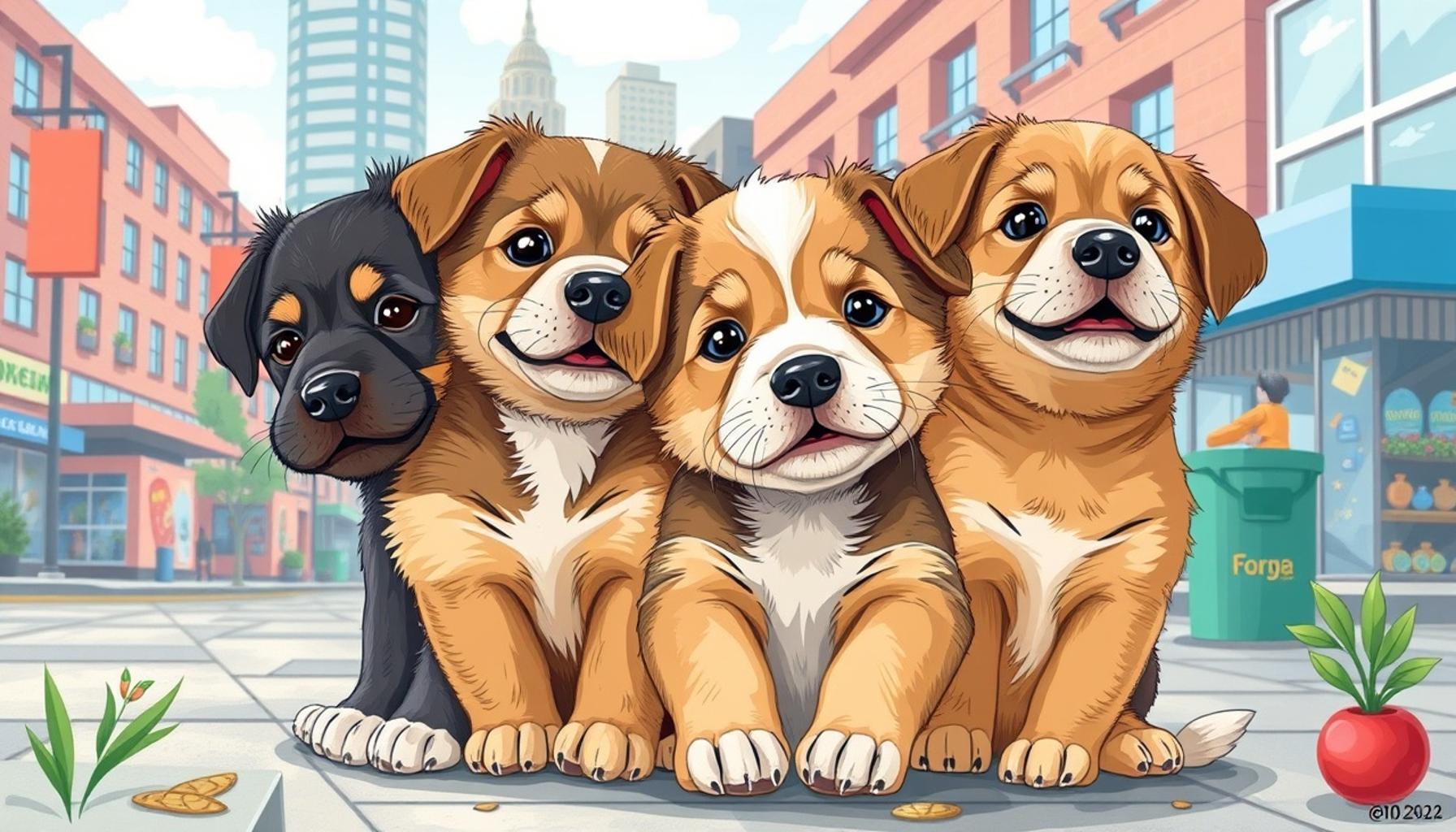
Urban environments can be both exhilarating and intimidating for new puppy owners. The city is teeming with stimuli—cars honking, people bustling by, and an array of scents wafting through the air—all of which can overwhelm a young dog. However, this vivacious urban landscape also offers a rich tapestry of socialization experiences that are crucial for a puppy’s development. With the right strategies, you can transform potential stressors into opportunities for your puppy to grow, learn, and adapt to city life.
One of the cornerstones of effective socialization is providing your puppy with exposure to variety. Every walk around the block can become an adventure if you take the time to introduce your puppy to diverse experiences. This includes not only people of different ages and appearances but also various types of dogs, other pets, and unexpected scenarios such as public transportation and traffic. For instance, consider visiting a local farmer’s market on a weekend—this bustling setting is alive with colors, sounds, and smells that can significantly enrich your puppy’s sensory experiences. Letting your puppy explore these aspects with a confident demeanor can help to reduce fear and anxiety associated with new situations.
- Controlled Interactions: Establishing a network of friendly, vaccinated dogs for playdates is another essential part of urban puppy socialization. Schedule regular encounters with well-behaved dogs in a secure environment, such as a fenced yard or dog park. The goal here is to foster positive interactions that teach your puppy essential social cues—such as how to greet, play, and share space. Such experiences build their confidence and help them learn appropriate behaviors in the presence of other dogs.
- Public Spaces: Exposing your puppy to public spaces is vital. Beyond parks, dog-friendly cafes and other establishments with outdoor seating offer casual environments for acclimatization. Take your puppy on outings to places where they can sit beside you while you enjoy a coffee or a meal. This experience not only teaches them how to behave in public but also reinforces their bond with you as a safe and guiding presence. Additionally, neighborhoods can be an excellent resource—every street, from the quietest corners to the busiest avenues, holds socialization potential.
Early and effective socialization dramatically influences your puppy’s behavior, significantly lowering the chances of anxiety and behavioral issues down the line. Rearing a well-rounded and confident canine companion is an investment of time and patience. Remember, the urban environment offers a treadmill of experiences—use it to your advantage.
If you’re curious about the best practices for urban puppy socialization, diving deeper into this topic will undoubtedly yield rewarding insights. Ensuring your furry friend thrives in the bustling cityscape may lead to a lifetime of joyous companionship.
DIVE DEEPER: Click here for specialized nutrition tips
Navigating the Urban Jungle: Key Socialization Techniques
To thrive in an urban environment, your puppy needs more than just regular food and shelter; effective socialization is a critical element in their developmental journey. Urban socialization techniques focus on exposing your puppy to a variety of experiences that mirror the hustle and bustle of city life. From busy sidewalks dotted with strangers to the sounds of traffic and public transportation, mastering this form of socialization blends excitement with the essential task of behavior training.
One vital aspect is the positive reinforcement of new experiences. As you encounter various stimuli, rewarding your puppy for calm behavior can greatly enhance their ability to cope with urban happenings. For example, if your puppy remains relaxed while passing a skateboarder or a cyclist, treat them immediately after the encounter. This association of new experiences with positive outcomes helps your puppy create a stable emotional framework for future encounters.
Observational Learning
Another effective technique is observational learning, where your puppy absorbs social cues from both you and other dogs. During walks, engage with your puppy while interacting with other people and their dogs. Don’t just walk in silence—comment on your surroundings, point out other dogs, and encourage greetings. This interaction not only provides a model for behavioral expectations but helps your puppy learn proper manners, such as waiting for their turn to greet another dog. These moments enrich your puppy’s social skills and bolster their confidence in public outings.
Structured Outings
Consider planning structured outings that focus on essential urban experiences. For instance, visiting a dog park but initially keeping the interaction brief can help reduce overwhelming stimuli. Start with quiet times and gradually introduce more busy periods as your puppy acclimates. Moreover, visits to outdoor cafes or pet-friendly shops provide an excellent opportunity for socialization in a controlled setting. You can teach your puppy to sit calmly at your feet while you enjoy a drink, reinforcing the idea that social tolerance can come with rewards, such as treats or praise.
Socialization Groups
- Joining Puppy Classes: Enroll your puppy in a local training or puppy socialization class. These classes not only introduce dogs to each other but also provide a safe environment for them to learn commands and social behaviors.
- Utilizing Playgroups: Organizing or joining playgroups with other dog owners can create engaging environments where dogs can interact freely under supervision, cultivating friendships and play skills.
- Participating in Community Events: Seek out dog-friendly community events, such as local parades or pet expos. These gatherings are teeming with sights, sounds, and friendly dogs, making them perfect spots for social enrichment.
In summary, the process of urban puppy socialization requires dedication and foresight, but the rewards will manifest as your dog matures into a confident, socially adept member of your urban community. Understanding the right techniques gives your puppy an opportunity to transform from a timid newcomer into a well-rounded advocate for city living.
Effective Socialization Techniques for Puppies in Urban Environments
Socializing puppies in urban environments is essential for their overall development and behavior. With various stimuli, from bustling streets to diverse crowds, puppies need to adapt to many challenges. One of the most recognized techniques is exposure, where puppies are gradually introduced to different sounds, smells, and sights of the city. This can involve short, positive outings in parks, public transportation, or busy marketplaces. Another effective strategy is positive reinforcement, a training methodology that encourages desired behaviors through rewards. Utilizing treats or praise when your puppy interacts appropriately with their environment can reinforce their learning and boost their confidence. Joining puppy training classes can create a controlled environment for social interaction among other pups and people. These classes often simulate urban experiences, such as walking on a leash amidst distractions, which are crucial skills in larger, more chaotic settings.Moreover, playdates with other well-socialized dogs help establish good social skills. These interactions allow puppies to learn important cues from other dogs, such as how to approach different breeds or respond to playful behaviors. Urban exploration should also include exposure to different surfaces like grass, pavement, and gravel, along with experiences in busy areas where they can meet diverse individuals. By leveraging these socialization techniques, you prepare your puppy for a fulfilling and confident life in the urban space.Incorporating these methods can significantly enhance a puppy’s adaptability and confidence, ultimately benefiting both the puppy and the owner in the dynamic urban landscape.
| Category | Advantages |
|---|---|
| Gradual Exposure | Allows puppies to adjust to diverse urban stimuli without becoming overwhelmed. |
| Positive Reinforcement | Encourages good behavior through rewards, thus fostering a positive training experience. |
| Puppy Classes | Facilitates social interactions and teaches crucial urban skills in a safe environment. |
| Playdates | Enhances social skills by allowing puppies to interact with various dogs. |
DISCOVER MORE: Click here to learn about nutritional supplements for your pets
Interactive Experiences: Immersing Your Puppy in City Life
Urban environments offer a rich tapestry of sensory experiences that can be both stimulating and overwhelming for a puppy. Consequently, leveraging interactive experiences is one of the most effective socialization techniques. Not only do these experiences bolster your puppy’s confidence, but they also foster adaptability to varied urban settings.
Exposure to Sounds
One of the unique aspects of city life is the cacophony of sounds. From honking horns to construction noise, the urban landscape is filled with auditory stimuli that can unsettle a young puppy. To counter these effects, gradually introduce your puppy to these sounds in a controlled manner. Start by playing recordings of urban sounds at a low volume while engaging your puppy in fun activities, such as playtime or training sessions. As they become accustomed to the noises, increase the volume incrementally.
The desensitization technique is vital here. For instance, if your puppy hears sirens, reward them for calm behavior during the exposure. Use treats or praise to create a positive association with the noise, making it less intimidating over time. This approach can greatly alleviate potential anxiety when faced with real-life situations in busy streets.
Different Surfaces and Scents
Your urban adventures should include a variety of surfaces and scents to stimulate your puppy’s exploratory instincts. Cities often feature concrete, cobblestones, grass patches, and even metal grates. Allow your puppy to walk across these surfaces to help them adjust to different textures. For example, a walk in a park that transitions from pavement to grass can be a simple yet enriching experience, enhancing your puppy’s confidence and agility.
Additionally, ensure your puppy gets opportunities to explore various scents, which are crucial for their mental engagement. Take walks through different neighborhoods, where the air is filled with various city scents—from food trucks to flower shops. Encourage your puppy to sniff around and explore these smells, using them as an avenue for mental stimulation. The act of sniffing has been scientifically recognized as a natural calming mechanism for dogs, making it a fundamental part of their socialization.
Utilizing Public Transportation
Exploring public transportation systems can also enhance your puppy’s social skills. Start small by introducing them to less crowded environments. For example, let your puppy experience a short bus or subway ride when the transport is at its least busy. Gradually increase to more crowded environments as your puppy becomes more comfortable. Reward them for remaining calm during the journey, reinforcing the idea that these experiences are part of their urban lifestyle.
Always carry essential supplies (e.g., water, treats, and a portable crate) for long trips, ensuring your puppy remains comfortable throughout the journey. Frequent exposure to public transportation not only exposes your puppy to new environments but also teaches them how to behave in confined spaces, making them more adaptable overall.
Incorporating Diverse Interactions
- Engaging with People: Encourage friendly interactions with a variety of people, including children, seniors, and individuals of different ethnic backgrounds. Each new encounter will teach your puppy essential cues about different social behaviors.
- Meeting Other Pets: Foster positive meetings with pets of various sizes and temperaments. The diversity will help your puppy learn how to navigate and relate to other animals successfully.
- Training Sessions in Public: Hold training sessions in diverse environments, focusing on commands and obedience in the presence of distractions. A sitter’s café can serve as an excellent backdrop to practice sit, stay, or come commands while interacting with fellow diners.
The integration of interactive experiences plays a vital role in your puppy’s urban socialization journey. Each outing ensures your furry friend grows into a well-adjusted, confident companion ready to tackle the myriad stimuli of urban life.
LEARN MORE: Click here to discover the pros and cons
Conclusion: Nurturing Your Urban Puppy
Successfully socializing a puppy in urban environments is a multifaceted process that requires patience, creativity, and consistency. By immersing your puppy in a range of interactive experiences, such as exposure to various sounds, surfaces, scents, and public transportation, you lay the groundwork for a well-rounded, adaptable companion. These experiences not only build your puppy’s confidence but also prepare them for the diverse stimuli they will encounter throughout their lives.
Moreover, incorporating diverse interactions with people and other pets enhances their social skills and teaches them valuable cues for navigating complex social situations. By engaging with different individuals and environments, your puppy learns to embrace the hustle and bustle of city life while minimizing anxiety and fear.
Additionally, the importance of positive reinforcement cannot be overstated. Rewarding calm behavior during challenging situations will help create a positive association with urban stimuli, aiding in the development of a resilient canine. Regular training sessions in bustling settings will further cement their obedience in the presence of distractions, setting the stage for lifelong good behavior.
In conclusion, the journey of socializing your puppy in an urban setting is not only crucial for their behavior but also enriches their experience as a cherished member of your family and the community. Through thoughtful, structured interactions that challenge and engage them, you are not just teaching them to adapt to urban life—you are empowering them to thrive in it. Thus, every outing can become an opportunity for growth, exploration, and bonding with your furry friend, ensuring that they become a well-adjusted urban dog ready to embrace all that city life has to offer.

Linda Carter
Linda Carter is a writer and pet care expert specializing in pet health, grooming, and wellness. With extensive experience helping pet owners create safe, loving, and enriching environments for their animals, Linda shares her knowledge on our platform. Her goal is to empower readers with practical advice and strategies to ensure their pets thrive and lead joyful, healthy lives.