The Animal Adoption Process: What to Expect at Each Stage
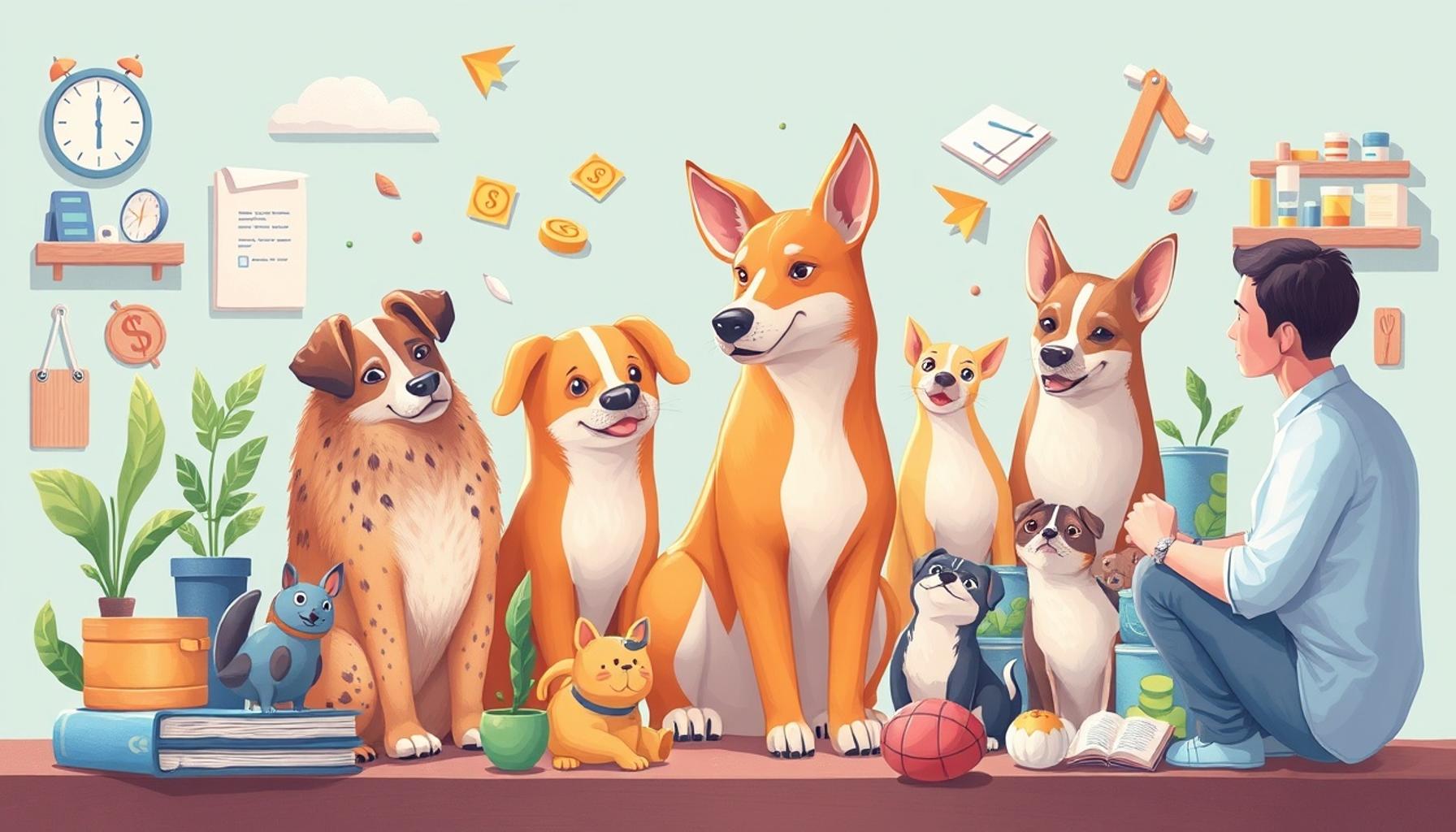
Understanding the Adoption Journey
Adopting a pet can be one of the most rewarding experiences in life. However, it is essential to navigate the animal adoption process with clarity and preparation. Each stage brings its own set of challenges and emotions, but knowing what to expect can ease your journey.
Stages of the Animal Adoption Process
The adoption process typically involves several stages. Here’s a detailed overview of what to expect at each step:
- Research: Before starting the adoption process, it’s important to investigate local shelters and rescue organizations. Websites like Petfinder and Adoptapet are excellent resources for viewing available pets. Additionally, visiting shelters allows you to interact with animals in person and ask questions about their history and care needs.
- Application: Once you’ve identified a potential pet, you’ll need to fill out an adoption application. This form usually requires personal information, as well as details about your household and lifestyle. Shelters utilize these applications to assess whether the applicant can provide a stable and loving home.
- Interview: After submitting your application, an interview with shelter staff or a volunteer typically follows. This conversation can cover topics such as your experience with pets, daily routines, and your expectations for a new animal family member. It is an opportunity for you to express your concerns and for the shelter to ensure that you and the pet you are interested in will be a good match.
- Meet and Greet: If your application passes the initial screening, you’ll be invited to meet your potential pet. Spending time together is critical, as it allows the animal to adjust to you while giving you a chance to assess their behavior and compatibility with your lifestyle and family dynamics. It’s often recommended to bring family members, especially children, to see how everyone interacts.
- Home Visit: To ensure a safe living environment, some shelters require a home visit. This visit allows shelter staff to check for potential hazards and to discuss proper care practices with you. They may offer advice on creating a suitable space for your new pet, such as establishing an eating area, resting places, and securing any harmful household items.
- Finalization: The last step of the adoption process involves completing the legal paperwork and paying any adoption fees. This generally includes a contract that outlines your responsibilities as a pet owner, documenting previous vaccinations, and sometimes offering a spay/neuter agreement. After this is complete, you can finally take your new furry friend home!
Each step is designed to ensure the welfare of the animals and the suitability of the match for your household. Understanding each of these stages will help you prepare for a smoother transition into pet ownership, and it allows you to make informed choices. Your commitment starts here, and the journey promises to be filled with love and joy.
Furthermore, adopting a pet not only provides a loving home to an animal in need but also plays a crucial role in reducing the number of homeless pets, a significant issue across many communities in the United States. By fostering this understanding, you’re contributing to a more compassionate society.
Preparing for Animal Adoption: The Essential First Steps
The first stage of the animal adoption process is primarily focused on research and preparation. This initial phase is crucial as it sets the foundation for a successful adoption experience. As you embark on this journey, consider the following key areas to explore:
- Understanding Your Lifestyle: Before you even visit a shelter, take some time to reflect on your current lifestyle. Are you frequently at home or often away? Do you have small children or other pets? Assessing your situation will help you determine which type of animal is most compatible. For instance, energetic breeds may not be ideal for a busy household, while older or calmer pets might be a better fit.
- Exploring Local Resources: Research local animal shelters and rescue organizations in your area. Websites like Petfinder and Adoptapet offer extensive databases of available animals along with their descriptions, ages, and temperaments. It can be advantageous to visit multiple shelters, as different organizations might have varying policies, animals, and adoption fees that could impact your decision.
- Learning About Types of Pets: Delve deep into understanding the type of animal you want to adopt. Consider factors such as breed characteristics, potential health issues, and behavioral traits. For example, some dog breeds may require more exercise than others, while certain cats are known for their social nature. Familiarizing yourself with these details will guide your expectations and help forge a stronger bond with your future pet.
- Financial Considerations: Adopting a pet comes with both initial and ongoing financial responsibilities. Beyond the adoption fee, budget for essentials such as food, grooming, veterinary care, and emergency expenses. Many shelters can provide estimated costs for pet care, giving you insight into the commitment you’re about to make.
After you’ve conducted thorough research and feel prepared, the next step is to fill out an adoption application. This process is designed to screen applicants for responsible and caring pet ownership. Most shelters will ask about your living situation, previous pet experience, and your plans for integrating a new animal into your home. It’s important to be honest and thoughtful in your responses, as this helps the shelter staff recommend an animal that truly aligns with your situation.
As you progress through these initial stages, keep in mind that preparedness is vital to ensuring a successful adoption. Each factor plays a significant role in shaping the experience—not just for you, but also for the pet that’s hoping to find a loving forever home. By embracing this preparation phase wholeheartedly, you pave the way for a fulfilling and enriching companionship with your new furry friend.
The Animal Adoption Process: What to Expect at Each Stage
The journey of adopting an animal is a rewarding and fulfilling experience, but it can also be a bit overwhelming without knowing what to expect. Let’s delve into the stages of this process to demystify the steps involved.
Preparation Before Adoption
Before you even step into an animal shelter, there are several important factors to consider. Evaluating your lifestyle, household dynamics, and financial readiness are critical. Ask yourself: Do you have the time and space for a pet? Will you be able to afford food, grooming, and routine medical care? This preparation will help ensure a smooth transition for both you and your future furry friend.
The Shelter Visit
Visiting a shelter can be both exciting and emotional. During this phase, you will meet various animals available for adoption. Shelter staff typically provide a wealth of information about each animal’s background, behavioral traits, and needs. This is also an ideal time to ask questions, ensuring that you find the right match for your home. Remember to take your time; this decision can affect not just your life but also the life of the pet.
| Category 1 | Category 2 |
|---|---|
| Emotional Preparation | Understanding the emotional commitment required to adopt a pet. |
| Financial Commitment | Considering ongoing costs such as food, vet bills, and grooming. |
Final Steps: Application and Home Visits
Once you have identified a potential pet, the next step usually involves filling out an adoption application. Shelters often require this step to ensure that you are a suitable match for the animal. Some may even conduct home visits to confirm that your living environment is safe and appropriate for the pet.
Understanding these stages clarifies the adoption process, ultimately leading to a successful long-term relationship between you and your new companion. Stay tuned as we explore the adoption finalization and post-adoption support in the next sections.
Understanding the Adoption Interview and Meet-and-Greet
Once you’ve completed your adoption application and passed the initial screenings, the next crucial stage in the animal adoption process is the interview and meet-and-greet. This phase serves to ensure that both the prospective pet parent and the animal are well-matched, fostering a successful adoption. Here’s what to expect during this important stage:
- The Interview Process: After your application is reviewed, you’ll typically be invited for an interview with shelter staff. This is an opportunity for them to gain a deeper understanding of your lifestyle, and it gives you a chance to ask questions. Be prepared for inquiries about your work schedule, how much time you can dedicate to exercise and training, and how you plan to acclimate your new pet to your home. This dialogue is designed to make sure you are a responsible pet owner and to gather insight into which animals they would recommend.
- Meet-and-Greet: A pivotal part of this stage is the meet-and-greet with potential pets. Shelters often allow you to interact with multiple animals, providing an invaluable opportunity to assess their temperament and compatibility with you and your family. Watch how they react to you—do they seem interested and relaxed, or are they timid and shy? Just as important is observing how the pet engages with your family members, including other pets if applicable. This interaction can be a perfect indicator of whether a particular animal is the right match.
- Considerations for Multi-Pet Households: If you already have pets at home, it’s advisable to have them participate in the meet-and-greet as well. Many shelters will offer this option, allowing you to gauge how your existing animals react to the newcomer. Look for signs of aggression or stress, as these can be red flags that indicate a poor match. It’s essential that all pets feel secure and comfortable, suggesting peaceful interactions during this phase.
- Behavior Assessments: Often, shelters conduct behavioral assessments before placing an animal up for adoption. This allows them to observe how a pet behaves in various situations, ensuring that they are not only adoptable but also that they fit within the right environment. Understanding the animal’s behavioral history and any triggers it may have can provide vital information for future pet owners.
During this stage, transparency and communication are paramount. Shelter staff are dedicated to finding the perfect placement for each animal, and they are generally pleased to share insights about the animals in their care. Engaging openly with them will enhance your understanding of the pet’s personality and needs, ultimately leading to a more informed decision about which animal to adopt.
As you approach the final stages of the adoption process, remember that the happiness and well-being of the pet are a priority—both for the shelter and yourself. Embracing these interactions will not only help you find your new companion but will also ensure that the pet finds its safe haven, setting the stage for a joyful life together.
Conclusion: A Journey to Responsible Pet Ownership
The animal adoption process is a remarkable journey that goes beyond simply selecting a pet; it’s about forming a lifelong bond built on love, responsibility, and mutual understanding. Each stage, from filling out the adoption application to the interview, meet-and-greet, and behavioral assessments, plays a critical role in ensuring that both the potential pet and the adopter are aligned for a successful partnership. By actively participating in these stages, prospective adopters not only equip themselves with essential knowledge but also advocate for the well-being of the animals in their care.
As you consider embarking on this venture, it’s important to appreciate that patience and deliberation are vital. Take the time to reflect on your lifestyle, the specific needs of different animals, and your ability to provide a nurturing environment. Remember, adopting a pet is a commitment that spans years, and ensuring a good match means a happier, healthier transition for both you and your new companion.
Moreover, don’t shy away from asking questions or expressing any concerns you may have throughout the process. Shelters and rescue organizations are there to support you, ensuring that every animal has the opportunity to find a loving, permanent home. Informed decisions lead to successful adoptions, creating a positive ripple effect that enriches not only your life but also that of an animal in need. So, embrace this journey with a hopeful heart, knowing that through understanding each stage, you are paving the way to a fulfilling relationship with a furry friend.

Beatriz
Beatriz Johnson is a seasoned pet care expert and writer with a passion for simplifying the complexities of pet ownership and animal well-being. With over a decade of experience in the field, she specializes in topics like pet nutrition, training techniques, and health care. Through her work on our website, Beatriz empowers pet owners to make informed decisions and provide the best possible care for their furry friends, ensuring happy and healthy lives for their beloved companions.