The Art of Origami: Transforming Paper into Creative Expression
Exploring the World of Origami
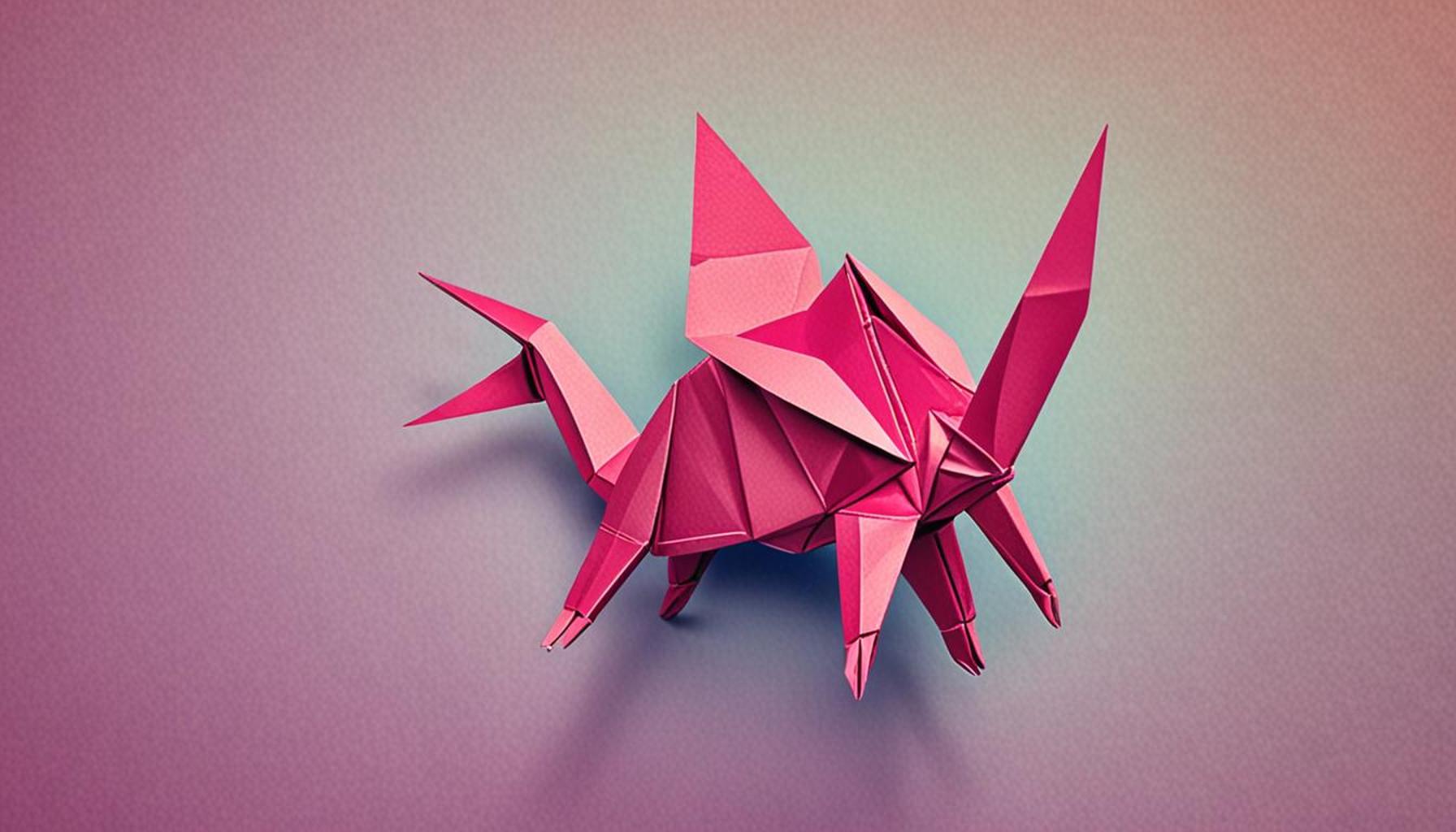
Origami is more than just folding paper; it is a transformative art form that turns a simple sheet into intricate designs and engaging creations. This unique craft not only reflects the beauty of simplicity but also serves as a gateway into a world of creativity and imagination. The origins of origami can be traced back to ancient Japan, where it was developed for ceremonial purposes and to enhance traditional celebrations. Over the centuries, it has evolved, adapting to various cultures and expanding across the globe, captivating the hearts of artists, educators, and hobbyists alike.
Why Origami Matters
There are several reasons why the art of origami holds significant value:
- Creative Expression: Origami allows individuals to express their creativity without needing elaborate materials. This accessibility makes it a popular choice for artists and teachers who seek to inspire imagination in children and adults alike. Whether crafting simple models during a classroom session or creating intricate masterpieces as personal artistic expression, origami serves as an outlet for artistic voices.
- Mental Benefits: Engaging in origami is not merely a pastime; it fosters concentration, improves fine motor skills, and enhances problem-solving abilities. Studies have shown that the cognitive processes involved in figuring out how to fold a piece of paper into a specific shape can stimulate brain activity, making it a beneficial practice for individuals of all ages, including the elderly and children with developmental challenges.
- Cultural Significance: Origami reflects diverse traditions, showcasing how different cultures interpret the art of paper folding. For instance, in Japan, the crane symbolizes peace and prosperity, while in Europe, origami has gained popularity as a technique in engineering and mathematics education.
What Can You Create?
With origami, the possibilities are endless. You can craft:
- Animals: Origami animals range from simple designs, such as cranes and frogs, to complex creations like dragons and unicorns, appealing to both beginners and advanced folders.
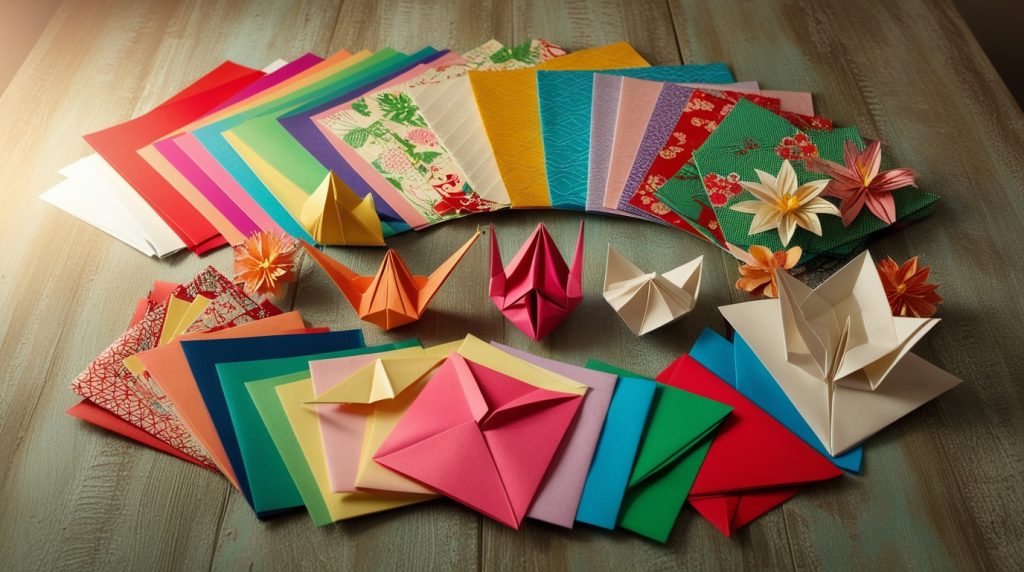
- Flowers: Beautiful bouquets, like origami lilies and roses, can be made, providing a unique and lasting alternative to traditional floral arrangements.
- Functional Items: Beyond aesthetics, origami enables the creation of functional items, such as boxes, envelopes, and even tools that can serve practical purposes.
As we delve deeper into the intricate art of origami, we will uncover its rich history, diverse techniques, and the joy it brings to countless people around the world. Whether you are a novice eager to learn or a seasoned folder looking to refine your skills, the journey of transforming paper into stunning representations of creativity and skill is one that can inspire countless artistic endeavors. Embrace this journey, and discover the endless possibilities that await you in the world of origami.
DISCOVER MORE: Click here to learn about the impact of music on mental health
Unfolding the Techniques of Origami
The journey into the art of origami begins with understanding the fundamental techniques that breathe life into a mere piece of paper. To the untrained eye, paper folding may seem simple, but the variety of origami techniques invites enthusiasts into a meticulous world where precision and creativity intertwine. At its core, origami involves a series of basic folds, such as the valley fold and mountain fold, which serve as the building blocks for more complex designs. Gaining familiarity with these essential folds can empower novices to transform even the most basic materials into impressive creations.
The Basic Folds
To master origami, one must understand several foundational folds:
- Valley Fold: This fold creates a deep crease that bends the paper downwards, forming a “V” shape. It is one of the most frequently used folds in origami.
- Mountain Fold: Opposite to the valley fold, this creates an upward bend, resembling a peak. Together, valley and mountain folds deliver a vast range of shapes and structures.
- Reverse Fold: As the name implies, this technique involves folding the paper in the opposite direction, allowing for dynamic forms and contours.
- Squash Fold: This fold allows flatening of a section of the paper into a wider shape, which is particularly useful when creating complex designs like animal figures.
- Inside Reverse Fold: A variation of the reverse fold, this technique opens up a crease and allows the paper to fold inward, adding depth and dimension to designs.
The Importance of Precision and Patience
One of the most valuable lessons inherent in the art of origami is the significance of precision and patience. Every fold counts; an improperly creased line can alter the intended outcome dramatically. Therefore, it is essential for folder to invest time in technique and practice, ensuring each fold is executed with care. This practice not only enhances the quality of the work but also cultivates a greater sense of mindfulness—an appreciation for the small but essential details in the creative process.
As one’s skills grow, the ability to interpret and create from diagrams or photographs becomes a vital aspect of the origami experience. Many enthusiasts rely on resources, including books, online tutorials, and communities dedicated to this captivating art form. Such resources expand the horizons of creativity, providing access to a plethora of designs ranging from simple to profoundly intricate.
Importantly, origami is not limited to individual practice; it offers a unique opportunity for socialization and connection. Local clubs, online forums, and workshops provide platforms for folders to share their creations, learn from one another, and cultivate an engaged community. As we unravel the creative expression through origami, we find not only a transformation of paper but also the forging of new relationships and the sharing of artistic passion across cultures and borders.
| Advantages | Details |
|---|---|
| Enhances Fine Motor Skills | Practicing origami requires precise hand movements, contributing to improved dexterity. |
| Encourages Creativity | Each origami piece provides a platform for artistic expression, enabling individuals to innovate. |
Within the realm of origami, one can truly discover a world where simple sheets of paper transform into stunning works of art. The practice not only captivates hobbyists but also serves numerous educational purposes. Enhancing fine motor skills is a remarkable benefit; the intricate folding techniques demand focus and precision, ultimately improving dexterity and coordination. Moreover, origami acts as a catalyst for creativity. Each fold represents a distinctive approach to problem-solving and artistic expression, allowing enthusiasts to explore their innovative potentials. Whether creating traditional cranes or modern geometric designs, the art of origami invites individuals to engage with paper in a profoundly personal and imaginative way. This dynamic intersection of skill and artistry not only captures the essence of creativity but also encourages ongoing exploration in the beautiful world of paper folding.
DISCOVER MORE: Click here to dive into eco-friendly DIY projects
Innovative Designs: The World of Origami Creations
As practitioners become more adept at the foundational techniques of origami, they can venture into a realm of innovative designs that showcase the limitless possibilities of paper folding. Origami is not merely about replication; it’s an art form that encourages originality and self-expression. From traditional samurai hats to intricate dragons, the diversity of designs is a reflection of culture, creativity, and artistic vision.
Traditional vs. Modern Origami
Historically, origami has deep cultural roots, particularly in Japan, where it is intertwined with ceremonial practices. Traditional folds often depict symbols of good fortune, like cranes and boats, and are passed down through generations. However, modern origami has transcended its cultural origins, evolving into a global phenomenon that encompasses various styles and approaches. Modular origami, for example, consists of multiple pieces that combine to form a single complex structure. This variety not only pushes the boundaries of what is possible with paper but also invites folders to engage with different artistic methodologies.
Functional and Artistic Applications
The artistry of origami extends beyond simple aesthetics; it also embraces functionality. Origami engineers and architects have found inspiration in paper folding, leading to innovative applications in fields such as design technology, aerospace, and even medicine. For instance, researchers at NASA have utilized origami principles to design space structures that can collapse for transport and expand once deployed. A prominent example is the development of solar panels that fold much like a butterfly’s wings, maximizing space and efficiency in orbit.
Further, the concept of origami is making its way into the medical domain through the design of stents and other medical devices that can be folded for simplicity in delivery, only to unfurl in a precise manner once in the body. These practical applications highlight how origami can inspire solutions to complex, real-world challenges, marrying creativity with scientific innovation.
The Community and Evolution of Origami
As the art form evolves, communities worldwide contribute their unique interpretations and styles to the origami landscape. Events like the Origami USA Convention or the International Origami Days bring artists together to learn, share techniques, and showcase their work, fostering an environment of collaboration. This connectivity allows newer generations to learn from seasoned artists, ensuring that the art of folding paper continues to grow and thrive.
With social media platforms enabling broader sharing of creations, origami enthusiasts can now easily connect and inspire one another globally. Websites like Instagram and Pinterest feature a wealth of tutorials and galleries, allowing users to explore intricate designs, understand various folding techniques, and participate in challenges that encourage creativity and skill development.
In conclusion, while origami serves as a medium for creative expression, it also champions innovation and community. As the paper takes on new forms, it carries with it the potential to bridge cultures, connect individuals, and foster an appreciation for art in its many manifestations. The evolution of origami shines a light on the beauty of transformation, inviting everyone to partake in its adventure, one fold at a time.
DIVE DEEPER: Click here to uncover creative writing techniques
Conclusion: The Endless Journey of Origami
In conclusion, the art of origami stands as a testament to the boundless creativity and innovation that can be achieved with something as simple as a piece of paper. As explored throughout this article, origami is much more than a pastime; it is a powerful means of creative expression that spans cultures and generations. From traditional designs steeped in history to modern adaptations that challenge conventional boundaries, origami showcases how artistry can serve both aesthetic and functional purposes.
The impact of origami is profound, shaping not only artistic communities but also influencing sectors such as architecture and healthcare, where folding techniques are applied to develop advanced solutions for everyday challenges. As individuals engage in this craft, they foster a unique connection to both the material and the process, leading to personal growth and mindfulness.
Moreover, the vibrant global origami community fosters collaboration and exchange, creating a nurturing environment for both aspiring and seasoned folders. Events and online platforms have expanded access to knowledge and inspiration, allowing enthusiasts to share their journeys and celebrate the transformative power of paper folding. Thus, as we fold and unfold our way through life’s challenges, let us remember that origami is not merely an art form; it is a journey that invites exploration, imagination, and the continuous rekindling of wonder. Embrace this journey, and let the folds of your imagination take flight.
Related posts:
The Art of Mixing Techniques: Exploring Creativity Through the Hybridization of Artistic Styles
The Expression of the Collective Imagination: How Dreams and Myths Influence Artistic Creation
Exploring Photography as a Form of Creative Expression: Capturing Moments and Emotions
The Art of Performance: Integrating Body and Space in Creative Exploration
Exploring Digital Art: Creating Worlds and Emotions in Pixels
The Journey of Self-Discovery Through Painting: How Art Can Transform Emotions into Colors

Linda Carter is a writer and creative hobbies expert specializing in crafting, DIY projects, and artistic exploration. With extensive experience helping individuals discover their creative potential and bring their ideas to life, Linda shares her knowledge on our platform. Her goal is to empower readers with practical tips, inspiring ideas, and step-by-step strategies for success in the world of creative hobbies.