The Art of Performance: Integrating Body and Space in Creative Exploration
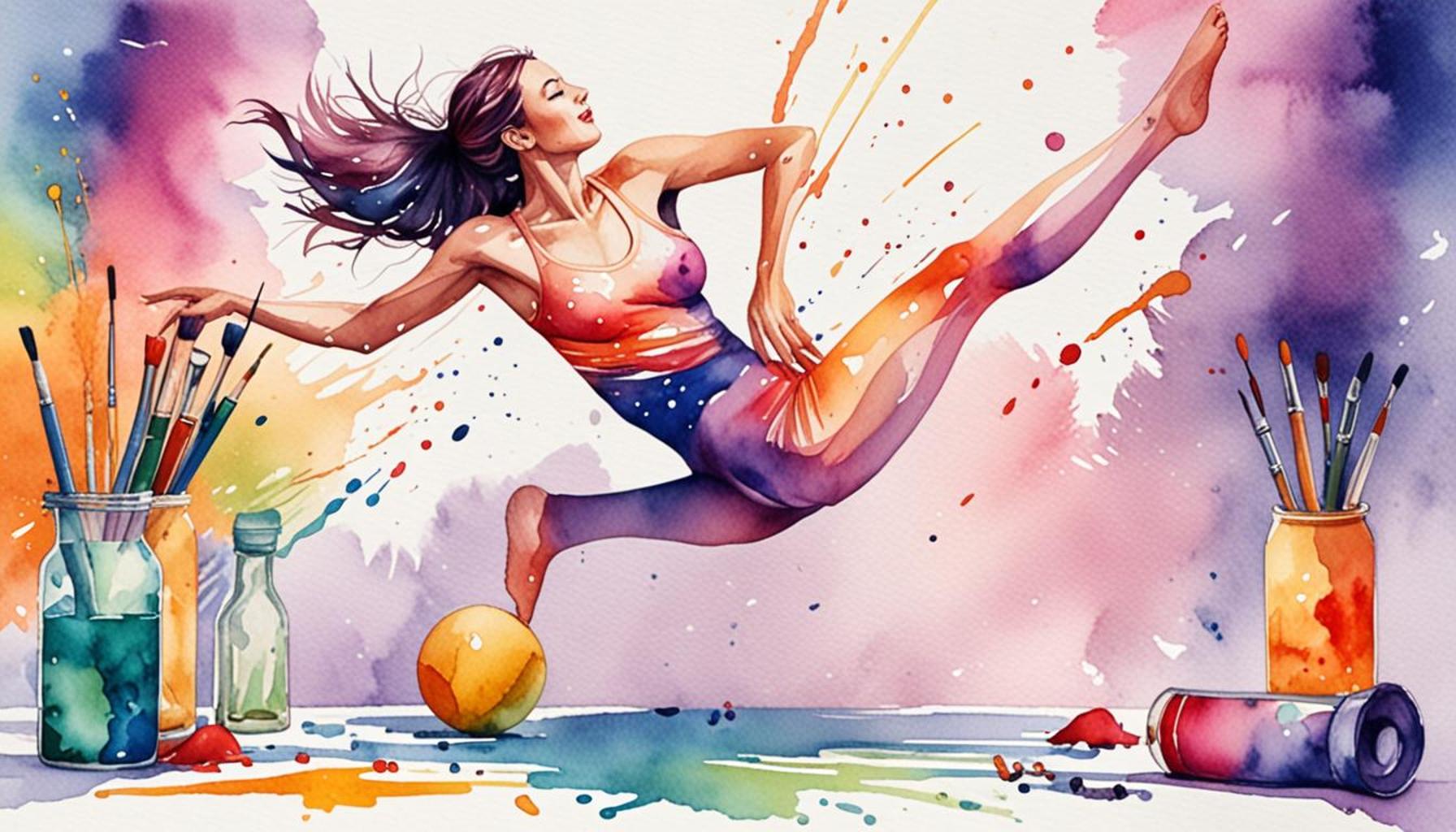
The Power of Body and Space in Artistic Expression
In the dynamic realm of creative exploration, the interaction between body and space emerges as a pivotal force. Artists, dancers, and performers continually manipulate their physical presence to transform environments into vibrant canvases. This profound integration not only enhances artistic expression but also invites audiences to reassess their perceptions of spatiality and embodiment. The relationship between the body and space can significantly alter the way a performance is interpreted and experienced, prompting a deeper inquiry into the art itself.
- Space as a Character: The environments we inhabit can shape narratives. Consider New York City’s bustling streets, where the frenetic pace and diverse urban landscape become integral to theatrical performances, adding layers of meaning. The subway, for instance, is not just a transit space but a character that reflects the rhythm and stories of its riders.
- Physical Movement: Every gesture and step contributes to storytelling. In contemporary dance, choreographers often exploit the gravitational pull of a specific location to inform their movements. For instance, a dancer might utilize a wide-open park to emphasize fluidity and freedom, contrasting sharply with the constraints of a small stage.
- Emotional Resonance: Space amplifies feelings, creating immersive experiences. In immersive theater, audiences might find themselves in a room that transitions from a brightly lit, welcoming space to a dark, claustrophobic environment, perfectly mirroring a character’s emotional journey. This tangible change in atmosphere can deeply influence audience engagement and reaction.
The intersection of performance and space raises important questions about how we engage with our surroundings. Urban landscapes serve as dynamic stages, influencing performances in ways that resonate with local culture and history. Street performances, for instance, often reflect the socio-political climate of their respective locales, making performances not just art but also a commentary on society.
- Cultural Significance: Different cultures utilize space in performance art distinctly. For example, traditional Japanese Noh theater employs minimalist stages that emphasize the actors’ movements, while Brazilian Carnival incorporates vibrant public spaces to enhance community involvement and express cultural identity.
- Innovative Techniques: Artists increasingly employ new technologies to integrate physicality and environment. Digital projections can transform blank walls into interactive canvases that respond to performers’ movements, creating a dialogue between the body and space that transcends traditional boundaries.
- Audience Interaction: The role of spectators is crucial in shaping performance dynamics. In participatory art, where audience members are invited to engage actively, the line between performer and viewer blurs, creating a collective experience that reshapes our understanding of art.
Exploring the art of performance uncovers layers of complexity that challenge conventional boundaries. Each movement and every space utilized becomes a critical aspect of an evolving dialogue, inviting us to explore the rich tapestry of creativity that bridges the personal and the collective. This exploration reveals not merely an artistic endeavor but a profound examination of how we, as individuals and as a collective society, relate to the spaces we occupy and the stories they tell.
DIVE DEEPER: Click here to discover the impact of customization
Embodied Experiences: The Dance Between Performer and Environment
The symbiotic relationship between performers and their environment delves deep into the essence of what it means to create art. The integration of body and space transcends mere performance; it nurtures an exploration that captures the nuances of human experience. Whether it is on the grand scale of an outdoor festival or in the intimacy of a community theater, these interactions lay the groundwork for a rich tapestry of creativity uniquely woven by the dynamics of space.
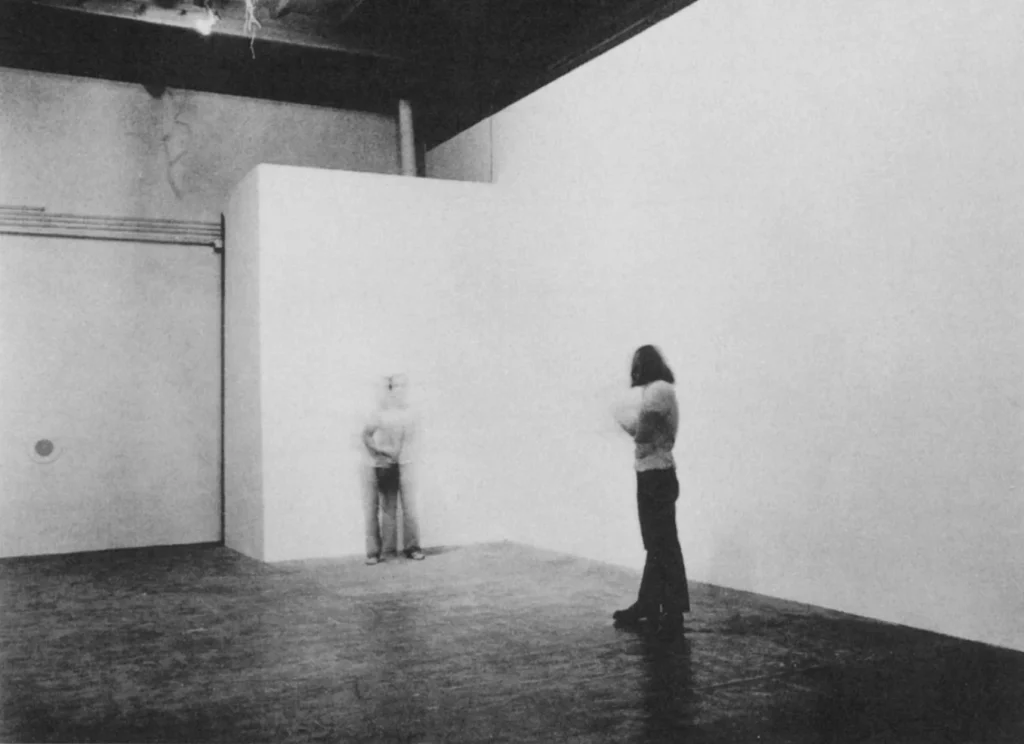
Crucially, the concept of space can serve both as a backdrop and as an active participant in the storytelling process. In urban settings, spaces are often imbued with layers of cultural significance. The echoes of history reverberate through the streets of Chicago, where the architecture influences the narratives told by street performers. In this city, historically linked to the labor movement, performances can evoke themes of struggle and resilience, all while utilizing the space around them to enhance their messages.
- Spatial Awareness: For performers, understanding the dimensions of their environment is paramount. A large, open plaza invites expansive movement, while the constraints of a small room may provoke a more introspective form of expression. This conscious awareness shapes the creative choices artists make, according to their surroundings.
- Environmental Interaction: Engaging with the textures, sounds, and histories of spaces can evoke powerful reactions. A performance staged in an abandoned factory might incorporate the sounds of machinery, transforming a place of decay into a site of catharsis and beauty.
- Contextual Layering: Different urban contexts educate performers on the audience’s expectations and emotional responses. For example, a theatrical piece performed in a bustling marketplace must contend with disruptions and unanticipated elements, demanding adaptability from the artists involved.
Furthermore, innovative technology has begun to redefine how we experience and engage with both body and space. The advent of augmented reality allows performers to create layers of interaction that blend physical and virtual elements, transforming static locations into dynamic, interactive spaces. Consider an art installation in which digital projections respond to a dancer’s movements, creating a mesmerizing dance that integrates both the physical and the digital realms.
Ultimately, the interplay between body and space not only enriches the performance but also fosters a unique connection between the artist and the audience. Audiences carry the imprint of performances long after they have concluded, as these artistic endeavors provoke reflection on the spaces we embody and traverse in our daily lives. The art of performance emerges not just in expression, but in the shared experience of recognizing how our bodies occupy and interact with the world around us.
| Advantage | Description |
|---|---|
| Enhanced Creativity | Integrating body and space promotes innovative thinking by challenging conventional artistic boundaries, opening new avenues for expression. |
| Physical Awareness | Awareness of physical space elevates the performance experience, allowing artists to create immersive environments that resonate deeply with audiences. |
The fusion of body movement and spatial dynamics in performance art has become a transformative approach in the creative exploration of artistry. This dual engagement not only fosters an atmosphere that ignites individual creativity but also enhances the overall audience experience. By pushing the boundaries of artistic expression, performers can leverage their surroundings, utilizing various spaces to craft narratives that are deeply enriched.Furthermore, the synergy between the physical body and the environment enables artists to develop a heightened sense of physical awareness. This awareness is crucial in creating performances that are both visually stunning and emotionally engaging. As performers explore and interact with their environments, the connection draws the audience into a shared experience, blurring the lines between observer and participant. This ongoing exploration opens pathways for dialogue and engagement across varying media, inviting more profound insights into the impact of space on artistic expression.
DISCOVER MORE: Click here to unlock your creativity
Choreographing Dialogue: The Contribution of Collaboration and Community
The art of performance intersects with the ethos of collaboration, where the exchange of ideas between artists and communities enhances the richness of creative exploration. This collaborative engagement often results in performances that reflect the cultural dialogues inherent within diverse environments. In cities like New York or San Francisco, where multicultural neighborhoods thrive, artists draw from a medley of influences that inspire both their movements and their use of physical space.
- Community Engagement: When artists collaborate with local communities, performances become a mirror reflecting the voices of the people. Initiatives such as community theater or site-specific dance performances encourage participation from residents, integrating their stories and histories into the artwork. This process not only celebrates local identity but also fosters a sense of ownership among community members.
- Cultural Exchange: Artists traveling between regions often share their distinct styles and methods of performance, enriching the local tapestry of cultural expression. For instance, the blending of traditional Native American dance with contemporary choreography in urban settings creates a vibrant dialogue that challenges preconceived notions of tradition and modernity.
- Interdisciplinary Collaborations: The synergy between different art forms—including visual arts, music, and literature—often leads to multidisciplinary performances that elevate the overall aesthetic experience. A prime example can be found in Los Angeles, where artists merge street dance with live painting to create immersive experiences that engage multiple senses.
Additionally, space itself can dictate the nature of collaboration. Traditional theaters provide a stage for scripted performances, while unconventional spaces—like warehouses, parks, and rooftops—invite spontaneous creativity. Pop-up performances have gained traction in urban environments, revitalizing neglected spaces and transforming them into canvases for artistic expression. In these contexts, the performers’ movement is informed by the very essence of the space, leading to a spontaneous and visceral experience.
The use of technology in performance also introduces innovative collaborative opportunities. Projects that combine live performance with audience participation through mobile apps allow viewers to influence the direction of the art. This blurring of boundaries between the performer and the audience fosters a dynamic interaction, creating a shared experience that transcends traditional viewing.
Moreover, the accessibility of public space for performances speaks to the democratization of art. Events such as the Frieze Sculpture Park in New York showcase outdoor installations and performances that engage a broader audience beyond the typical art aficionado. Such initiatives challenge the elitist perceptions often associated with the art world, inviting everyone to witness and participate in the creative process.
The intricate dance of performance, community engagement, and evolving artistic forms underscores the transformative power of integrating body and space. As artists continue to investigate and redefine their relationship with their surroundings, the potential for innovation and cultural exchange grows, leading to a continually evolving landscape of creative exploration.
DIVE DEEPER: Click here to discover the power of crafting
Conclusion: The Future of Performance and Spatial Integration
As we navigate the dynamic intersection of performance, body, and space, it becomes clear that the art of performance is not merely a display of talent; it is a powerful medium for dialogue, identity, and community engagement. By integrating creative exploration within public spaces—be it a bustling street corner, an abandoned warehouse, or a serene park—artists are redefining the boundaries of their work, creating immersive experiences that invite audiences to participate rather than passively observe.
The collaboration between diverse cultural influences further enriches this artistic landscape, offering a platform for expression that reflects the nuanced narratives of our societies. Through community engagement and interdisciplinary collaborations, performers are able to tap into the collective consciousness, showcasing stories and histories that resonate deeply with their audiences. The inclusive nature of contemporary performances, particularly in urban environments across the United States, demonstrates the potential for art to foster understanding and connection among varying cultures and backgrounds.
Moreover, the infusion of technology into the realm of performance offers exciting new possibilities for engagement. The ability to blend audience participation and live art transforms the experience into a shared journey, amplifying the emotional impact and challenging conventional viewing paradigms. As we look to the future, observers should appreciate this ongoing evolution and the transformative potential it holds for both artists and audiences alike.
In conclusion, the art of performance—through its integration of body and space—invites us to explore the vibrancy of human expression. As this art form continues to evolve, it challenges us to reconsider our relationship with space while celebrating the artistry inherent in community, collaboration, and cultural dialogue.
Related posts:
Exploring Mixed Media Integrating Diverse Art Techniques
The Art of Origami: Transforming Paper into Creative Expression
The Influence of Nature on Artistic Creation: Exploring Biodiversity as a Source of Inspiration
The Journey of Self-Discovery Through Painting: How Art Can Transform Emotions into Colors
Music as Sound Painting: Composing Emotions Through Melodies
The Art of Mixing Techniques: Exploring Creativity Through the Hybridization of Artistic Styles
Linda Carter is a writer and creative hobbies expert specializing in crafting, DIY projects, and artistic exploration. With extensive experience helping individuals discover their creative potential and bring their ideas to life, Linda shares her knowledge on our platform. Her goal is to empower readers with practical tips, inspiring ideas, and step-by-step strategies for success in the world of creative hobbies.