The Art of Repurposing: Transforming Recycled Materials into Craft Projects
The Rise of Repurposing
As environmental consciousness continues to rise globally, the art of repurposing recycled materials is emerging as a significant creative outlet. Across the United States, the movement has gained momentum, inspiring countless artists and crafters to transform discarded items into stunning works of art. This initiative not only contributes to personal and aesthetic satisfaction but also plays a pivotal role in environmental preservation.
Understanding the Appeal
The allure of repurposing lies in its multifaceted benefits. It goes beyond the mere act of creating; it encapsulates a mindset that regards waste as an opportunity. Here are some noteworthy aspects:
- Environmental Impact: Each repurposing project contributes to reducing landfill waste and curbing the carbon footprint. For instance, the environmental benefits are tangible when considering that approximately 292.4 million tons of waste is generated in the U.S. each year. By reimagining materials, individuals can divert countless items from landfills, thereby promoting sustainability and conservation.
- Cost Efficiency: Many people find that repurposing can significantly cut crafting costs. Instead of buying new materials at often exorbitant prices, crafters can utilize items already at their disposal, such as transforming an old t-shirt into reusable bags or using wooden crates as stylish storage. This not only saves money but also fosters a sense of innovation in thinking about resources.
- Customization: The beauty of repurposed crafts lies in their uniqueness. Whether it’s a vibrant garden sculpture made from broken pottery or a chic coffee table crafted from a reclaimed barn door, these projects can be tailored to reflect one’s personality and style. This allows for a greater sense of ownership and pride in one’s creations.
Inspirational Projects to Explore
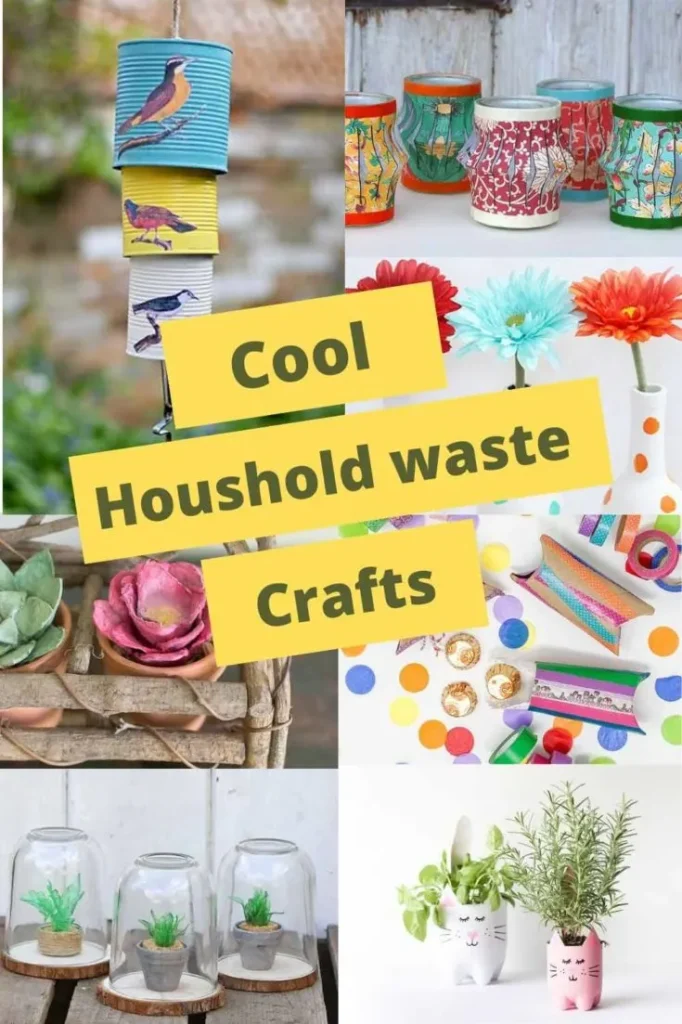
From enlightening home decor to functional furniture, the possibilities are vast. For example, consider the multifaceted use of old glass jars—these can be transformed into decorative lanterns, storage solutions, or even planters for small herbs, providing both utility and charm.
Another popular project involves upcycling pallets. These wooden structures, often discarded after shipping goods, can be reconstructed into stunning furniture pieces such as benches, tables, or garden planters, allowing crafters to create distinct pieces that serve a practical purpose.
Moreover, repurposing is not limited to individual projects; it has sparked community movements across the nation. Workshops and local initiatives are springing up, encouraging everyone from seasoned artisans to curious beginners to engage in crafting and sustainability collectively.
Conclusion: The Treasure in Trash
As we navigate this fascinating realm of repurposing craft projects, we uncover not just the artistic merit but also the profound environmental significance of reclaiming materials deemed as trash. Through innovation and creativity, anyone can transform the old into the extraordinary, highlighting the fact that one person’s waste can indeed become another’s treasure.
Join in this flourishing movement, explore your own creativity, and perhaps discover a new hobby that contributes both to self-expression and the health of the planet. The world of repurposing awaits your touch!
Unlocking Creativity with Recycled Materials
The transformative journey of repurposing is not merely an endeavor in creativity; it serves as a catalyst for innovation and problem-solving in crafting. Turning the mundane into the magnificent involves a shift in perspective—recognizing the potential in what we often overlook or deem as waste. Various materials that might otherwise succumb to the landfill can find new life through the hands of imaginative crafters. Here are some common items that can easily be repurposed into delightful projects:
- Glass Bottles: These versatile containers can be cut and designed into stunning vases or garden lights. With a little creativity, painted glass bottles can serve as charming decor pieces that adorn your home and garden alike.
- Cereal Boxes: An everyday household item, these can be transformed into colorful organizers for office supplies or art projects. Customizing them with decorative paper allows for personal flair while contributing to waste reduction.
- Old Furniture: Instead of discarding an old chair or table, consider giving it a facelift with paint or upholstery. A fresh coat of color can breathe life into tired furniture, turning it into striking statement pieces.
- Fabric Scraps: Those leftover fabric pieces from previous sewing projects are excellent candidates for repurposing. They can be stitched together to create quilts, bags, or stuffed animals, fostering a rich tapestry of creativity.
- Egg Cartons: Often overlooked, egg cartons can easily be transformed into seedling trays or whimsical artwork. Their inherent structure makes them ideal for organizing small items or even crafting unique decorative pieces.
These standout materials are just the tip of the iceberg when it comes to the potential for creating stunning and functional items from what would typically be thrown away. The act of repurposing encourages a connection not just with the materials involved, but also with environmentally friendly practices that minimize waste.
Community Engagement through Crafting
Beyond individual projects, the art of repurposing has sparked significant community engagement. Local groups and creative workshops have sprung up across various neighborhoods, inviting individuals from diverse backgrounds to join in the crafting renaissance. These gatherings not only provide crafting skills but also promote the idea of sharing resources, fostering collaboration among participants.
Furthermore, community events focused on sustainability see local artisans lead classes where people can learn to transform simple items into functional art. These initiatives enhance social interaction and serve as a platform for educational discussions about sustainability, conservation, and the importance of reducing our carbon footprint.
In essence, the art of repurposing is establishing a communal foundation that values creativity while nurturing awareness about the environment. As enthusiasts share their projects online and in person, the movement continues to gain traction—each replication of a craft encourages others to explore the hidden gems within their discarded items.
| Advantages | Description |
|---|---|
| Environmental Impact | Reducing waste by creatively reusing materials minimizes landfill contributions. |
| Cost Savings | Using recycled materials is often more affordable than purchasing new supplies, allowing for budget-friendly creativity. |
| Unique Creations | Repurposing materials fosters originality, resulting in one-of-a-kind craft projects that showcase personal style. |
| Craft Community | Engaging in repurposing can connect crafters with local and online communities, promoting skill-sharing and collaboration. |
The art of repurposing transcends mere craft; it embodies a sustainable ethos that encourages makers to view discarded items through a creative lens. Imagine transforming old wooden pallets into stunning wall art or converting glass jars into chic storage solutions. This innovative reuse reduces the need for new products, effectively lowering our carbon footprint. It is not just resourceful, but it’s also an exciting challenge that inspires individuals to think differently about their surroundings. Crafting with recycled materials also invites a myriad of possibilities. For instance, fabric scraps can be turned into vibrant patchwork projects, while plastic bottles can become planters or decorative items. Each project not only nurtures creativity but also stimulates a deeper understanding of where our materials come from and the benefits of reusing them. Through this approach, we can cultivate a culture that values sustainability and artistic expression simultaneously. As you delve further into the world of craft projects utilizing recycled materials, the potential to craft meaningful creations is limited only by your imagination. Uncover the secrets, tips, and tricks of the trade in repurposing as you embark on this enriching adventure!
Cultivating a Sustainable Mindset
The essence of repurposing transcends the physical transformation of materials; it fosters a sustainable mindset that encourages individuals to question their consumption habits. Creating from recycled materials not only minimizes waste but also inspires innovations that challenge traditional notions of design and utility. By embracing the concept of ‘reuse’, crafters can contribute to a more sustainable future, promoting higher awareness of resource conservation.
In the United States, where consumer culture often incentivizes disposability, the rise in awareness surrounding environmental issues is reshaping how we consider sourcing materials. Various organizations and non-profits are dedicated to advocating for upcycling, encouraging both individuals and industries to see potential where others see waste. Programs like the Cradle to Cradle initiative underscore the importance of rethinking the lifecycle of materials, and many crafters are already on board, creating projects that exemplify this ideology.
Innovative Craft Ideas with a Purpose
For those looking to embark on their own repurposing journey, the possibilities are as vast as the imagination allows. Here are some innovative craft ideas that illustrate the beauty of sustainability:
- Wine Corks: These can be transformed into coasters, bulletin boards, or even keychains. With a little glue and creativity, a simple cork can turn into a functional and stylish accessory.
- Plastic Bags: Instead of ending up in landfills, plastic bags can be woven or braided into durable tote bags or mats. This technique not only promotes recycling but also creates unique crafting opportunities.
- Old T-Shirts: A pile of outdated t-shirts can become a myriad of items such as tote bags, reusable produce bags, or even colorful rugs. Tutorials abound on how to efficiently cut and stitch these materials into new creations.
- Scrap Paper: Used wrapping paper or old maps can be reimagined into exquisite greeting cards or origami projects. The vivid colors and textures can add a unique touch to any gift or home decor item.
By exploring these projects, crafters can convey personal narratives while promoting sustainability and resourcefulness. Each item produced carries a story of transformation, highlighting the journey from discarded material to treasured possession.
Building Connections through Repurposing
Sharing the art of repurposing and sustainable crafting can lead to impactful community connections. Many local craft fairs and farmers’ markets now feature booths dedicated to recycled art, bridging the gap between sustainability advocates and potential customers. This creates an opportunity for community members to showcase their creativity while educating others about the importance of reducing waste.
Social media platforms also serve as powerful tools for disseminating ideas and fostering collaborations. Crafters are increasingly sharing their repurposing journeys, along with step-by-step guides, which encourages others to join the movement. The hashtags #Upcycling and #RepurposedCrafts run rampant across platforms, highlighting the thriving community of creators passionate about sustainability.
As more individuals discover the art of repurposing, they are not only engaging in a creative outlet but also contributing to a larger dialogue on sustainability. Each project completed not only showcases the ingenuity of the crafter but also serves as a reminder that with a little imagination, what once was considered waste can reclaim its place in our homes and hearts.
Conclusion: The Endless Possibilities of Repurposing
In a world increasingly burdened by waste, the art of repurposing provides a refreshing and innovative approach to crafting that not only excites creativity but also embraces sustainability. As we explore the potential of recycled materials, from the humble wine cork to the once-forgotten t-shirt, we uncover a wealth of opportunities to create functional and beautiful items that tell unique stories. This movement is not just about crafting; it’s a declaration to reconsider our consumption habits and acknowledge the value in what we often deem waste.
The rise of upcycling and community initiatives signifies a collective shift towards a more sustainable culture, where creativity and environmental stewardship go hand in hand. Engaging in repurposing projects fosters a sense of community while also empowering individuals to inspire change. As we continue to harness the power of social media and local events, we can further share ideas, techniques, and successes, paving the way for broader participation in the repurposing movement.
Ultimately, the challenge lies in imagining what can be, rather than what has been discarded. By embracing the art of repurposing, we not only minimize waste but also enrich our lives and our environments. So, venture forth in your craft journey and become part of the larger conversation on sustainability. Each project is a reflection of our commitment to the planet, making the art of repurposing not just a hobby, but a pathway to a more conscious and creative lifestyle.