The Evolution of Craft Techniques: From Traditional to Modern
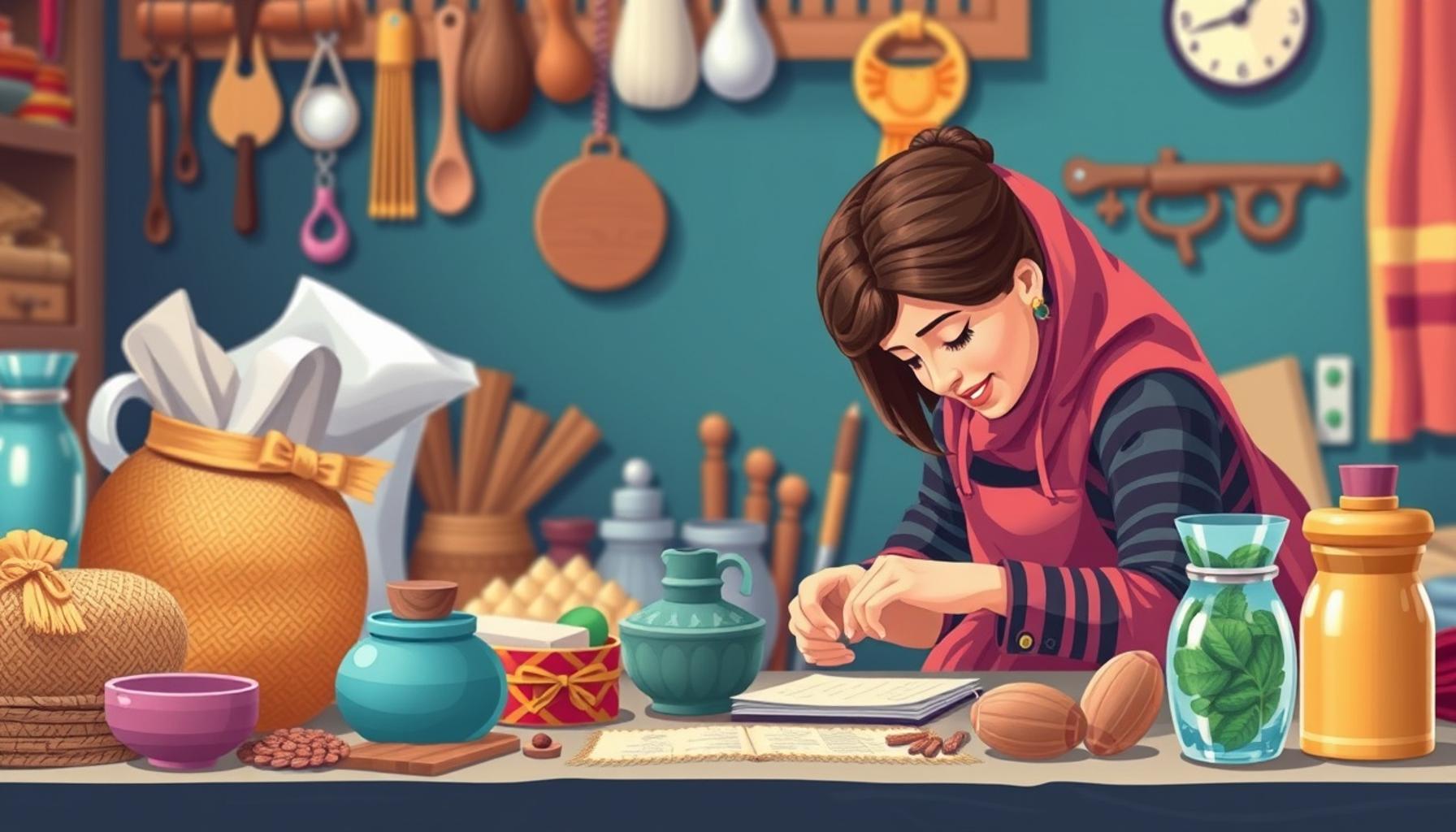
The Evolution of Craft Techniques: A Journey Through Time
The world of craft techniques has undergone a profound transformation over the centuries. From ancient civilizations to the modern era, the ways artisans create have shifted dramatically, influenced by technology, culture, and consumer demand. This evolution is marked by distinctive phases, each with unique characteristics that reflect the values and resources of their times.
- Traditional Craftsmanship: Rooted in history, traditional techniques often emphasize:
- Handmade tools: Artisans historically relied on handmade implements that reflected local materials and techniques. For example, blacksmiths forged their tools from iron or steel, creating devices that were perfectly suited for their craft—each hammer, chisel, or screw differing based on function and locality.
- Natural materials: The reliance on materials sourced directly from nature defined much of craftsmanship in earlier times. Crafts such as pottery, weaving, or woodworking used clay, fibers, and timber that were locally available. This not only connected the artisan to their environment but also imbued the creations with cultural and historical significance.
- Generational knowledge and skill: Traditional craftsmanship often involved the passing down of techniques and skills through generations. For example, Native American tribes have maintained their beadwork traditions, teaching the art closely tied to their identity and cultural narratives to younger artisans, ensuring continuity and preservation of heritage.
- Modern Innovations: Today, craft techniques have embraced technology, leading to:
- Advanced machinery: The introduction of tools like CNC routers and laser cutters has revolutionized craft creation. Designers can produce intricate parts with precision that was unattainable by hand, allowing for greater complexity and efficiency.
- 3D printing: This technology has opened new avenues for customization and rapid prototyping in crafts. For example, contemporary jewelry designers leverage 3D printing to create intricate designs that are both affordable and unique, enabling small producers to compete in a vast market.
- Digital design tools: Software such as CAD (Computer-Aided Design) has changed the way artisans visualize and execute their concepts. This allows for greater experimentation and iteration, pushing the boundaries of traditional craft into new realms.
This dynamic shift has not only propelled the entire craft industry forward but also redefined the relationship between creator and consumer. The blending of traditional methods with modern innovations has unveiled new opportunities for artisans to captivate audiences, allowing them to experiment with style while maintaining the integrity of craftsmanship.
As we explore this fascinating journey, it is essential to consider how these evolving craft techniques influence styles, trends, and sustainability in the United States and beyond. For instance, the movement toward sustainable and eco-friendly production methods is gaining momentum, as artisans seek to minimize their environmental footprint while honoring the traditions that have been developed over centuries.
Ultimately, the journey through the evolution of craft techniques is not just about the tools and materials but also represents the ongoing dialogue between the past and the future. Consumers today are increasingly demanding authenticity, prompting artisans to balance modernity with tradition, creating a rich tapestry of craftsmanship that reflects both contemporary sensibilities and historical roots.
Bridging the Past and the Present: A Craft Renaissance
The evolution of craft techniques is deeply interwoven with historical context, offering a fascinating glimpse into how societies have interacted with their materials and environments. The transition from traditional craftsmanship to modern innovations represents not only technological advancement but also cultural shifts that have redefined the purpose and perception of crafting.
Traditional Techniques: Foundations of Artistry
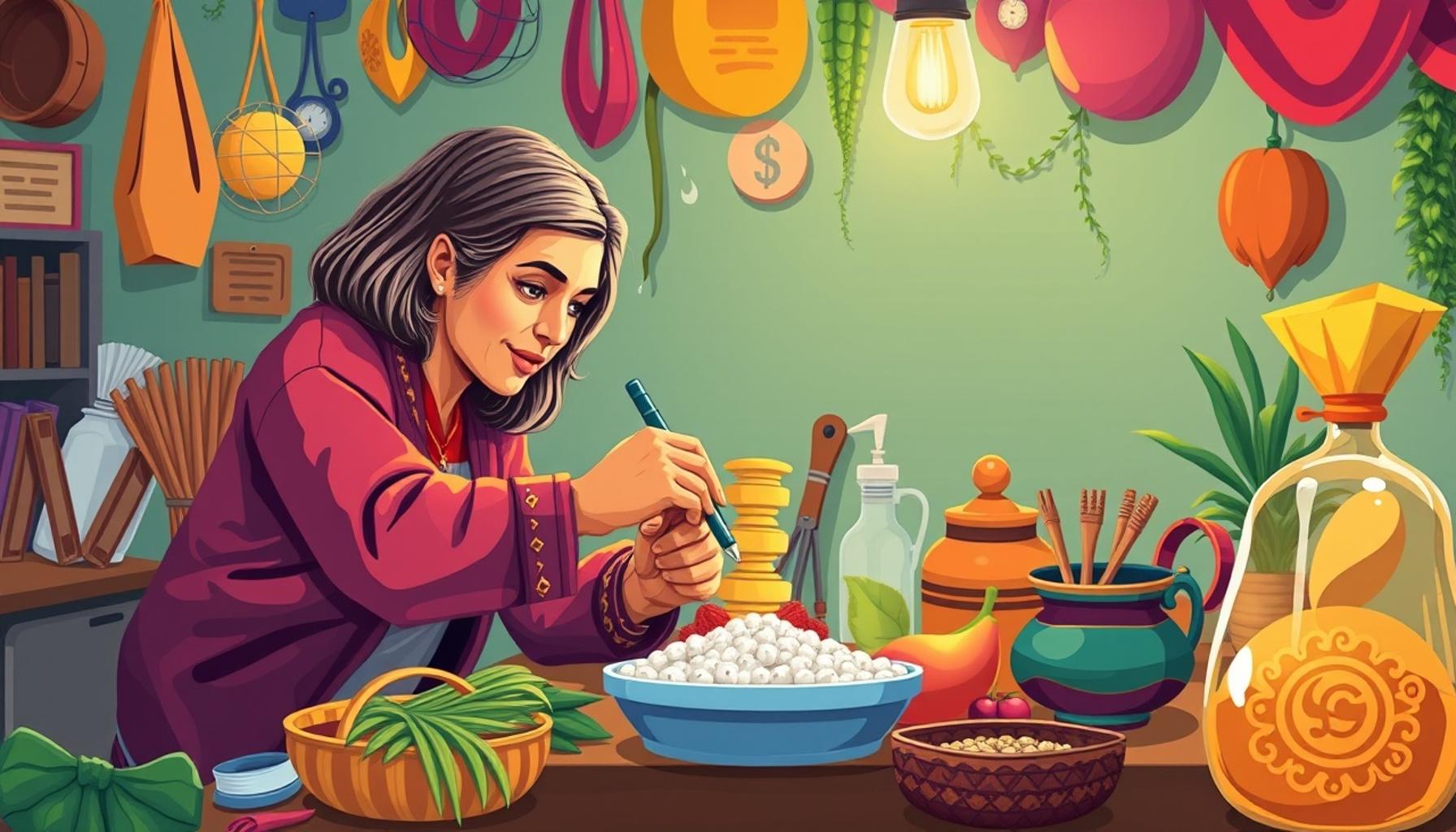
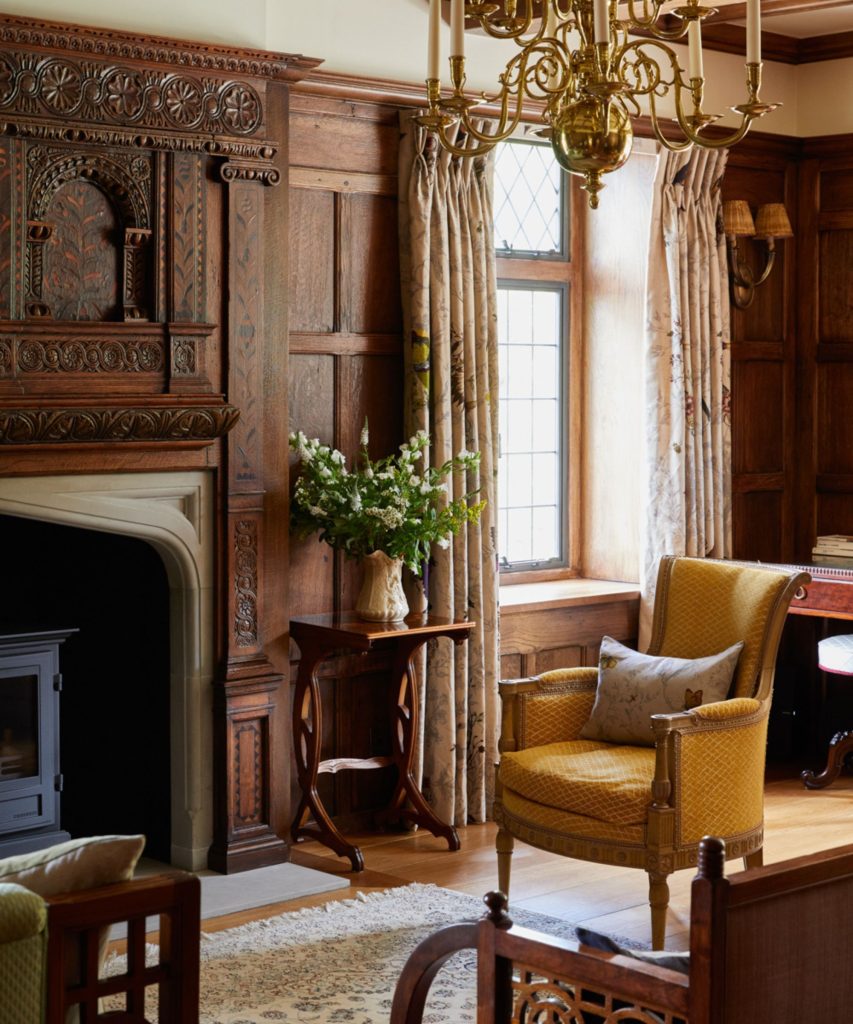
To understand the burgeoning world of modern craft, one must first appreciate the foundations established by traditional techniques. These methods were typically characterized by a deep-rooted connection to communities, whereby crafts were not merely commercial endeavors but essential facets of daily life. Artisans employed techniques that spoke to their cultural identity. A prime example is the indigenous pottery of the Southwest U.S., where each clay vessel is a narrative—a fusion of function and lore represented through unique designs.
Some of the hallmarks of traditional craftsmanship include:
- Time-honored practices: Many traditional crafts evolved in response to the needs of the community, often leading artisans to develop highly specialized skills. For instance, the intricate lace-making traditions of Idaho reflect the historical importance of textile arts in local economies.
- Local resources: Traditional artisans frequently sourced their materials from the environment. This approach not only ensured sustainability but also added an inherent narrative to the craft. For example, the wood from the Appalachian forests is not only a material for furniture but a symbol of heritage, celebrated in artisanal pieces crafted from century-old trees.
- Collective memory: Craft techniques were often passed down through apprenticeships and familial ties, instilling an appreciation for heritage. The preservation of quilts in Southern households serves as a testament to this practice, where each stitch holds stories of labor, family, and communal resilience.
Modern Innovations: The Technology Shift
As society progressed through the industrial revolution and into the digital age, craft techniques underwent significant transformation. Modern innovations brought about a plethora of possibilities, intimately connecting artisans with contemporary consumer demands. Today, crafting is not only a means of expression but also a burgeoning industry spurred by technological advancements.
Key modern innovations include:
- Digital fabrication: Tools like laser cutters and CNC machines empower artisans to effortlessly translate designs into tangible products. This ability allows for precision in mass production, enabling craftsmen to maintain accuracy while reducing labor time.
- 3D printing: This technology is reshaping design possibilities, allowing for personalization unlike ever before. Artists, such as those in the fashion industry, can create intricate, sculptural pieces that resonate with the consumer’s individuality without the heavy lifting of traditional methods.
- Online platforms: With the rise of e-commerce, artisans now have the ability to reach global markets. Websites like Etsy and social media platforms provide a stage for creators to showcase their work, thus fostering a community that thrives on shared inspiration and collaboration.
This fascinating crossroad of traditional and modern techniques breathes new life into the definition of craftsmanship. As artisans navigate these shifts, they not only retain the essence of their cultural heritages, but also embrace the vast terrain of technological advancements. The result is a dynamic craft landscape that continuously evolves, inviting curiosity and admiration from consumers and creators alike.
In the realm of crafting, we witness a remarkable journey that speaks volumes about humanity’s ingenuity and adaptability. The evolution of craft techniques from traditional methods to modern practices reflects not only technological advancements but also changes in societal values and aesthetics. Traditionally, crafts were steeped in cultural significance, often passed down through generations. Techniques such as weaving, pottery, and woodworking embodied intricate skills honed over years. Specific patterns and styles were emblematic of cultural identities, representing the narratives and traditions of communities. Visit almost any artisan market, and you’ll find that each item tells a story, deeply intertwined with its origins.However, as we transitioned into the modern era, new technologies began to redefine the boundaries of these age-old crafts. The introduction of tools like power looms, CNC machines, and 3D printers has revolutionized production processes, enhancing precision and efficiency. Modern artisans are now able to merge traditional craftsmanship with innovative techniques, resulting in unique pieces that retain their cultural significance while catering to contemporary tastes.In addition to technological advancements, there has been a resurgence in the appreciation for handmade items. Consumers today prioritize sustainability, authenticity, and the artistry behind each piece. As a result, many artisans have found new markets for their skills, where traditional practices are celebrated and integrated into modern aesthetics. This blending of old and new not only reinvigorates traditional crafts but also stimulates economic growth within local communities.Furthermore, the rise of social media platforms has allowed artisans to showcase their work to a global audience. Crafts that may have once been confined to local markets can now reach discerning consumers worldwide. This exposure enables artisans to maintain traditional methods while appealing to modern sensibilities, thus preserving their craft while ensuring its relevance in today’s market.The interaction between traditional and modern crafts raises intriguing questions about the definition of craft itself. With advancements constantly altering the landscape, it is essential to recognize the value of both approaches. Traditional techniques offer depth, storytelling, and cultural heritage, while modern methods provide innovation and accessibility. Together, they create a rich tapestry that celebrates human creativity and craftsmanship. To explore more about the specific benefits and features of these evolving techniques, let’s delve into the details presented in the following table that highlights key advantages of embracing this evolution in crafting.
| Category | Advantages |
|---|---|
| Traditional Techniques | Preservation of Culture: Maintains unique cultural identities through craftsmanship. |
| Modern Innovations | Enhanced Efficiency: Increases production speed and precision with technology. |
| Blending Approaches | Market Appeal: Attracts diverse audiences, fostering economic growth. |
The juxtaposition of these different techniques not only provides insight into their respective merits but also invites ongoing exploration into how they can coalesce to create the future of crafts. Continued dialogue between tradition and modernity will remain vital as we navigate this ever-evolving landscape.
The Fusion of Techniques: Hybrid Crafting in the 21st Century
In the modern landscape of crafting, we witness a remarkable fusion of techniques that blends the wisdom of traditional methods with cutting-edge innovations. This hybrid approach is reshaping the craft world, encouraging artisans to explore new avenues of creativity while staying grounded in their cultural roots. Here, we delve into how this melding of the old and new is giving rise to unique forms of artistic expression.
Cross-Pollination of Craft Disciplines
One of the most exciting aspects of modern craftsmanship is the cross-pollination of various disciplines. Artisans are now more inclined to experiment beyond the confines of their primary craft. For example, the combination of woodworking and textile arts has led to the emergence of intricately woven wooden pieces that blur the boundaries between furniture design and art. Similarly, glassblowers are collaborating with ceramicists to create striking hybrid pieces that showcase both mediums’ capabilities.
The effects of this cross-disciplinary approach are evident in numerous artistic communities across the United States. In cities like Portland, Oregon, and Asheville, North Carolina, vibrant maker spaces encourage collaboration among crafters from diverse backgrounds. Workshops in these areas often bring together woodworkers, metalsmiths, and textile artists, fostering an environment ripe for innovation and experimentation.
Embracing Sustainability: A Contemporary Responsibility
The modern craft movement is also characterized by an increased emphasis on sustainability. As consumers become more environmentally conscious, artisans are responding by incorporating eco-friendly practices into their craft. Reclaimed materials are gaining popularity, with artists transforming discarded wood, metal, and textiles into striking new pieces, telling powerful stories about waste reduction and resourcefulness.
For example, furniture makers are sourcing reclaimed wood from old barns and warehouses, not only preserving the material’s history but also contributing to a reduced carbon footprint. Additionally, textile artists are leveraging upcycled fabrics to create one-of-a-kind garments, proving that fashion can be both stylish and sustainable. This intersection of crafting and environmental responsibility is captivating a new generation of artisans and consumers alike.
The Role of Community and Collaboration
Community engagement serves as a cornerstone in the evolution of modern craft techniques. Craft fairs, makers’ markets, and collective studios provide artisans platforms to showcase their work and interact with a broader audience. The rise of events like the Renegade Craft Fair and the Crafts Boston show allows creators to share their stories, build connections, and foster a sense of belonging among crafters and enthusiasts.
Moreover, social media platforms like Instagram and TikTok have revolutionized how artisans share their work and processes. Many artisans leverage these platforms to document their creative journeys, attracting followers who appreciate the transparency and authenticity that comes with the crafting process. This sense of community not only fosters collaboration but also encourages artisans to learn from one another, further expanding the innovation within the craft world.
In this dynamic era, the boundaries of craftsmanship are continually redefined, where artisans honor their traditions while embracing a forward-thinking mindset. The future of crafting is not only about creating beautiful objects but also about fostering connections, advocating sustainable practices, and innovating across disciplines.
Conclusion: Embracing the Crafting Renaissance
The journey of craft techniques from traditional to modern showcases the profound evolution of artistic expression. As we have explored throughout this article, artisans are redefining the narrative of craftsmanship by blending time-honored techniques with modern innovations. This synthesis allows for an enriching tapestry of creativity that not only pays homage to heritage but also embraces the future.
The cross-pollination of craft disciplines demonstrates that boundaries are merely stepping stones to greater creativity. By fostering collaborations among various artisan communities, we witness a flourishing landscape where innovative techniques breathe new life into traditional forms. This collaborative spirit nurtures an ecosystem ripe for experimentation and exploration, resulting in breathtaking hybrid pieces that captivate audiences.
Furthermore, the emphasis on sustainability aligns with contemporary values. As consumers seek products with a story and a purpose, artisans are responding with eco-conscious practices that honor both the material and the environment. In this way, today’s crafters are becoming champions of not just art, but also responsible living.
As we look to the future, the role of community and collaboration in the crafting world will only increase. With the digital realm providing platforms to share, learn, and connect, artisans can spread their influence far beyond local markets, creating a global community of creativity. This renaissance in crafting invites all to not just observe, but to actively participate in the evolution of art.
Ultimately, the evolution of craft techniques reveals that the essence of craftsmanship is timeless. It thrives in the delicate balance of honoring the past while boldly stepping into new horizons. As we embrace this ongoing journey, there remains boundless potential for artistic expression, connection, and innovation in the world of craft.