The Healing Power of Art: How Creative Expression Can Enhance Mental Well-Being
Understanding the Interplay Between Artistic Creation and Mental Health
Human beings have an inherent need to express themselves, and art has been a universal language that transcends barriers. It serves as more than just a mode of artistic expression; it is a profound avenue for enhancing mental well-being. The act of creating art can be both a catalyst for emotional release and a pathway to healing, which is especially vital in today’s fast-paced world where mental health issues, such as anxiety and depression, are prevalent.
Art therapy, in particular, is a structured approach that utilizes creative activities to promote psychological healing. Research has consistently demonstrated that individuals who engage in art therapy experience a reduction in symptoms of anxiety and depression. For instance, a study published in the *American Journal of Arts Therapy* found that participants reported lower anxiety levels after completing guided art activities compared to traditional talk therapy alone. Such evidence underscores why art can be considered a vital resource in therapeutic settings.
- Engaging in Artistic Activities: Activities like painting, sculpting, or even coloring can significantly boost self-esteem and confidence. Many individuals find that creating something tangible instills a sense of accomplishment, allowing them to see the potential within themselves. For example, community art programs across the United States often serve marginalized populations, providing them with tools to explore their creativity while rebuilding their sense of self-worth.
- Fostering Connectivity: Creative expression often fosters a sense of community. Whether through group art classes or creative workshops, individuals can connect with others who share similar experiences or struggles, helping to alleviate feelings of isolation. During the COVID-19 pandemic, virtual art classes became a lifeline for many, allowing them to maintain social interactions while engaging in creative activities.
- Healing through Storytelling: Writing, whether through poetry or personal narrative, is another powerful form of artistic expression. Many individuals have turned to blogging or journaling as a therapeutic outlet, discovering the healing power of sharing their stories. Notable examples include memoirs written by individuals overcoming mental health challenges, which inspire others facing similar journeys.
These benefits of engaging with art only scratch the surface of its potential impact on mental health. Artistic creation not only provides an avenue for personal exploration but also offers community connection and emotional release. The experiences of those who have successfully harnessed creativity to navigate life’s challenges offer profound insights into the transformative power of art.
As you explore the vast domain of artistic creation and its relationship with mental health, you will undoubtedly find numerous stories of inspiration and triumph. These narratives remind us of the importance of supporting the arts as a therapeutic outlet, emphasizing that creativity can play a crucial role in fostering mental wellness. Delve deeper into the healing power of art and discover how it can enrich your journey toward emotional well-being.
The Multifaceted Benefits of Art on Emotional Well-Being
The connection between artistic expression and mental health is a dynamic interplay that offers multifaceted benefits for individuals navigating emotional challenges. At its core, art provides a unique medium through which thoughts, feelings, and experiences can be externalized. For many, the act of creating art serves as an emotional release, allowing individuals to process complex feelings in a safe and constructive manner.
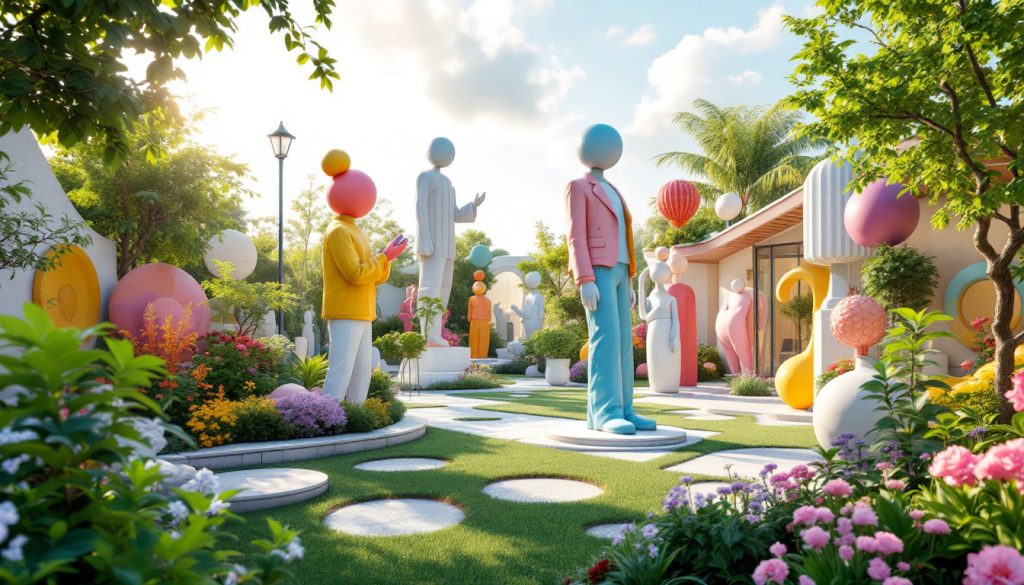
Artistic activities have been shown to activate various regions of the brain associated with emotional regulation. According to neuroscientific research, engaging in creative expression can increase dopamine levels—often referred to as the “feel-good” neurotransmitter. This biological response is not only uplifting but also functions as a natural remedy for stress relief. Furthermore, studies indicate that participants in creative sessions exhibit decreased cortisol levels, the hormone associated with stress, supporting the notion that art fosters a sense of tranquility and balance.
- Enhancing Emotional Intelligence: Engaging with art can act as a vehicle for individuals to explore their emotions, thereby enhancing emotional intelligence. When individuals create or interpret art, they learn to identify and articulate their feelings, fostering a deeper understanding of themselves and others. This practice can be particularly beneficial for young people who are still developing their emotional vocabularies.
- Encouraging Mindfulness: Creative expression often requires individuals to be present in the moment, effectively encouraging mindfulness. Whether painting a canvas or composing a song, artists immerse themselves in the task at hand, allowing distractions to fade away. This focused engagement can provide a sense of relief from daily pressures, transforming art into a form of meditation that promotes mental resilience.
- Catalyzing Personal Growth: Artistic endeavors can serve as a powerful means of self-discovery. Many individuals find that creating art allows them to confront personal challenges and insecurities. For instance, exploring difficult themes through photography or writing can foster a sense of empowerment, giving individuals the tools to rewrite their narratives and catalyze personal growth.
These benefits are not just theoretical; numerous testimonials and case studies highlight the profound impact of artistic expression on mental health. Programs that integrate art into therapeutic practices consistently report that participants experience increased levels of joy, reduced feelings of isolation, and an enhanced appreciation for life itself. This anecdotal evidence complements existing research, driving home the message that engaging with art is an empowering therapeutic tool that can guide individuals on their journey toward mental well-being.
As we unravel the complexities of how engaging in artistic activities contributes to emotional health, it is essential to acknowledge that everyone possesses the ability to harness these benefits. Embracing creativity may not only facilitate personal healing but can also bolster communal ties, reminding us that art is, indeed, a vital ingredient in the recipe for holistic wellness.
| Advantage | Description |
|---|---|
| Emotional Release | Creative expression allows individuals to process and release emotions that might otherwise remain suppressed, fostering mental clarity and relief. |
| Enhanced Self-Expression | Artistic outlets enable individuals to convey complex feelings and thoughts, leading to a greater understanding of personal identity and experiences. |
| Stress Reduction | Engaging in art can lower stress levels by providing a productive distraction, as creativity stimulates relaxation and reduces anxiety. |
| Community Connection | Participating in art communities fosters social connection, reducing feelings of loneliness and enhancing overall emotional health. |
The connection between art and mental wellness is profound and multifaceted. The very act of creating art not only cultivates a unique personal language but can dramatically enhance one’s well-being. By tapping into the therapeutic quality of creative expression, individuals can find themselves embarking on a transformative journey toward healing that encompasses both emotional and psychological growth.Research has consistently shown that engaging in art—whether through painting, music, or dance—activates areas of the brain linked to both creativity and healing. This intersection makes art a valuable tool for those struggling with various mental health issues, from stress to depression. It opens pathways to hope and resilience, allowing for a greater appreciation of life and its complexities. Moreover, art therapy has gained recognition for its role in conventional mental health practices, proving that creativity plays a significant role in recovery and personal growth.Why not explore the possibilities? The healing power of art awaits your discovery, encouraging you to express, connect, and thrive like never before.
The Role of Art in Community and Connection
In addition to the individual benefits of artistic expression, art plays a crucial role in fostering community and social connections, which are essential components of mental well-being. Shared creative experiences can bring people together, breaking down barriers and promoting understanding among diverse groups. For example, community art projects, such as murals or public installations, allow individuals to collaborate, igniting a sense of collective purpose and belonging.
Social isolation is a significant risk factor for mental health issues, and art can serve as a gateway to combat loneliness. Participating in art-based workshops or group therapy sessions creates opportunities for individuals to connect, share their experiences, and support one another through the act of creating. Studies have shown that people who engage in community art initiatives report higher levels of social interaction and emotional support, indicating that these programs not only facilitate creative expression but also build vital social networks.
- Art as a Bridge for Communication: Various forms of art can transcend language and cultural barriers, fostering communication and understanding in diverse groups. For individuals who struggle with verbal expression—such as children with autism or those recovering from trauma—art provides an alternative medium to convey thoughts and emotions, enabling them to connect with others in a meaningful way.
- Fostering Empathy Through Artistic Exploration: Engaging with art can enhance empathy, allowing individuals to experience and understand perspectives different from their own. Artistic projects that encourage participants to share their personal stories through various forms of media can broaden horizons and challenge preconceived notions. This increased empathy can be vital in community-building, as it cultivates respect and compassion among participants.
- Initiatives Supporting Mental Health Awareness: Many organizations and nonprofits across the United States utilize art as a platform to raise awareness about mental health issues, advocating for resources and support. Events such as art fairs, exhibitions, and therapeutic art workshops often shine a light on the importance of mental well-being, bridging the gap between art and advocacy.
The profound impact of art on community and connection emphasizes its role not only as a personal healing tool but also as a collective force for societal change. Programs that integrate art therapy into schools, hospitals, and community centers have been particularly effective in addressing mental health needs in various populations, underscoring the versatility of art as a healing modality. From the soft strokes of a paintbrush to the cadence of a spoken word performance, creative expression becomes a catalyst for building resilience and fostering a culture of support and understanding.
Furthermore, technology has expanded the reach of artistic endeavors, enabling individuals to connect with wider audiences. Online platforms for sharing art, virtual workshops, or collaborative projects can engage participants from different geographical locations, enhancing the feeling of global community. This digital shift not only helps individuals who may feel isolated within their local environments but also underscores the universal nature of art as a healing resource that transcends boundaries.
Conclusion
As we delve into the transformative effects of art on mental well-being, it becomes abundantly clear that creative expression is not merely a pastime, but a powerful tool for healing. The various forms of artistic engagement—whether they are individual practices like painting, writing, or music, or collective experiences such as community murals and art therapy—serve as gateways to emotional recovery and resilience. Each brushstroke or note can articulate emotions that words often cannot, providing individuals with a sense of release and catharsis.
Moreover, the communal aspects of art serve to strengthen bonds among individuals, fostering connections and empathy in an increasingly isolated world. As people engage through shared creative endeavors, they forge vital social networks that are essential for mental well-being. Initiatives that champion art as a means to advocate for mental health awareness reflect how society is progressively recognizing the importance of these expressive outlets—not just for individual healing, but for communal growth as well.
The digital age has further amplified this reach, connecting artistic voices across geographical boundaries and transforming local art projects into global dialogues. This innovation highlights the universal appeal of art as a mechanism for understanding and healing, reminding us that creativity is an inherent human quality that thrives on collaboration and empathy. Ultimately, embracing the healing power of art not only enhances individual mental health but also cultivates a society where compassion and creativity foster a brighter, more connected future. As we lean into our creative instincts, we unlock not just our potential for self-discovery, but also the profound ability to uplift and understand one another. Now, more than ever, it is essential to embrace and advocate for the healing influence of art in our lives and communities.