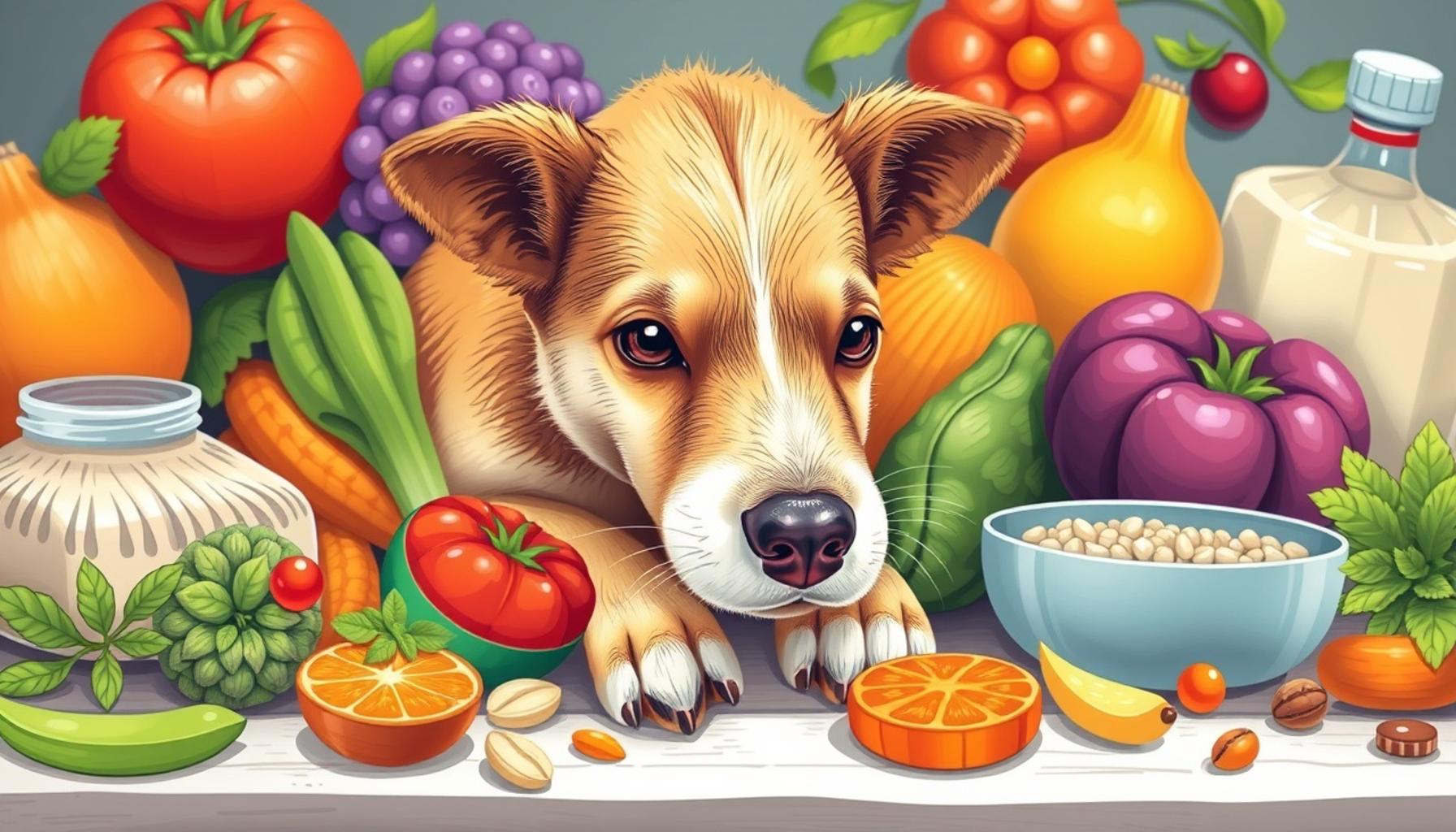
The Impact of Nutrition on Pet Longevity
Understanding the Importance of Nutrition in Pet Longevity
Proper nutrition is often seen as simply a matter of keeping a pet fed; however, it extends far beyond mere sustenance. It is a crucial factor influencing pet longevity and overall well-being. Many pet owners underestimate how significant dietary choices are in shaping their furry friends’ health and lifespan. By comprehensively understanding the relationship between nutrition and longevity, pet owners can make informed and impactful decisions that could enhance their pets’ quality of life.
Quality of Ingredients
When selecting pet food, the quality of ingredients should be a primary consideration. Premium pet foods, which often contain real meats, whole grains, and fresh vegetables, typically offer better nutrients compared to cheaper varieties filled with fillers and artificial additives. For instance, foods containing sources of protein such as chicken, fish, or lamb not only support muscle health but also help maintain optimal body weight. Recognizing the differences between high-quality ingredients and their cheaper counterparts can empower pet owners to choose better options that may contribute to increased longevity.
Age-Specific Diets
It’s essential to acknowledge that different stages of a pet’s life require age-specific diets. Puppies need a higher percentage of protein and calcium for growth, while adult pets require balanced nutrition to maintain their health. Senior pets, on the other hand, may benefit from diets formulated specifically for aging animals, which often have lower calories but enhanced levels of certain nutrients to support their changing needs. Pet owners should consult with veterinarians to choose the most appropriate diet based on their pet’s age and health status.
Weight Management
Weight management plays a vital role in overall pet health. Obesity is a growing concern in the United States, affecting nearly 56% of dogs and 60% of cats according to the Association for Pet Obesity Prevention. Extra weight can lead to severe health issues such as diabetes, heart disease, and joint problems, all of which can shorten a pet’s lifespan. Selecting the right food and managing portion sizes are crucial steps towards maintaining a healthy weight for pets.
Specific Nutritional Needs
Pets suffering from certain health conditions may require specialized diets. For example, pets with kidney disease often need food with controlled protein levels, while those with allergies may thrive on hypoallergenic diets. Consulting with veterinarians can help identify these specific needs and allow owners to tailor their pet’s diet effectively.
Moreover, research continues to show that certain diets can enhance immunity and reduce the risk of chronic diseases. For example, some pet foods incorporate antioxidants and omega fatty acids which are known to support overall health and vitality. These ingredients help combat oxidative stress, which can be detrimental to long-term health.
In recent years, there has been a noticeable trend among pet owners in the United States towards investing in higher quality, nutritious foods. This shift is not just a passing fad; studies suggest that better nutrition is directly correlated with improved longevity and a higher quality of life for pets. By prioritizing the right nutrition, owners can significantly impact their companions’ lives, allowing them to live not only longer but also happier and healthier lives.
As we explore the nuances of pet nutrition, a wealth of information will emerge regarding the profound impact that proper diet has on lifespan. This knowledge encourages pet owners to make educated choices, ensuring their beloved companions lead fulfilling lives with fewer health complications.
Crucial Components of a Healthy Pet Diet
Understanding the impact of nutrition on pet longevity involves delving into several key components that make up a balanced diet. A pet’s relationship with its food is multi-dimensional, affecting not just their current health but also their long-term vitality. By exploring these crucial elements, pet owners can take steps to optimize their pets’ diets for better health outcomes and extended lifespans.
Macronutrients: The Foundation of Pet Health
Macronutrients, including proteins, fats, and carbohydrates, serve as the building blocks of a pet’s diet. Each of these nutrients plays a significant role in maintaining health and wellness:
- Proteins: Essential for muscle development and repair, proteins are crucial for pets of all ages. Meats, fish, and certain plants provide valuable amino acids that support bodily functions.
- Fats: Healthy fats, such as omega-3 and omega-6 fatty acids, support skin and coat health, brain function, and overall energy levels. They can also help reduce inflammation, contributing to better quality of life as pets age.
- Carbohydrates: While often debated, carbohydrates can provide a source of quick energy and contribute to digestive health. Ingredients like whole grains and vegetables can be vital for maintaining a balanced diet.
Balancing these macronutrients based on a pet’s specific needs is essential in crafting a diet that supports longevity and vitality throughout their life stages.
The Role of Micronutrients
Micronutrients, such as vitamins and minerals, are also pivotal in shaping a pet’s diet. These nutrients, often required in smaller quantities, can have profound effects on health:
- Vitamins: Vitamins A, C, and E are potent antioxidants that help combat oxidative stress in pets, potentially reducing the risk of chronic diseases as they age.
- Minerals: Important for various bodily functions, minerals like calcium and phosphorus are crucial for maintaining strong bones, especially in growing puppies and aging dogs.
Incorporating a variety of nutrient-rich foods can help ensure that pets receive the essential micronutrients needed for their development and overall well-being.
Hydration: An Often Overlooked Aspect
Beyond solid foods, hydration plays an indispensable role in pet longevity. Water is essential for nearly every bodily function, including digestion, absorption, and waste elimination. Pets that are consistently well-hydrated are less likely to suffer from urinary tract issues and kidney dysfunction, which can significantly impact their lifespan.
Pet owners should consider both the moisture content of the food and the available fresh water to their pets. For those pets that may be picky drinkers, incorporating wet food or adding water to dry kibble can be beneficial in promoting hydration.
When putting all these factors into perspective, it’s clear that the connection between nutrition and pet longevity cannot be understated. Taking a comprehensive approach to diet, including understanding macronutrients, micronutrients, and hydration, empowers pet owners to positively influence their companions’ health outcomes. Prioritizing nutritional excellence could very well mean the difference between a short-lived pet and a vibrant companion that enjoys an active, fulfilling life.
| Nutrition Aspect | Impact on Longevity |
|---|---|
| Balanced Diet | Ensures all vital nutrients are provided, supporting a healthy immune system and reducing disease risk. |
| High-Quality Proteins | Promotes muscle maintenance and overall health, essential for longer lifespans in pets. |
Understanding the connection between nutrition and pet longevity can transform the lives of our furry companions. Proper nutrition not only enhances the quality of life but can significantly extend it. Incorporating a balanced diet rich in essential vitamins, minerals, and other nutrients is crucial as pets age. Providing high-quality proteins can sustain muscle mass, helping older pets remain active and engaged. By focusing on these key nutritional aspects, pet owners can contribute to their pet’s longevity and overall health. More research suggests that certain dietary adjustments may improve health outcomes, suggesting a growing interest in the role of nutrition. Stay informed and attentive to your pet’s dietary needs to promote a longer, healthier life!
The Importance of Special Dietary Needs
As pets age, their nutritional requirements often change. This means that pet owners must be especially vigilant in understanding the special dietary needs of their companions to ensure optimal health and longevity. Age, breed, health conditions, and activity levels can drastically influence what constitutes a nutritious diet. For instance, senior pets may require lower calories to prevent obesity, while still needing high-quality protein to maintain muscle mass.
Breed-Specific Nutritional Considerations
Different breeds have unique health predispositions that can significantly affect their diets. Large breeds, such as Great Danes and German Shepherds, are susceptible to issues like hip dysplasia and bloat, while small breeds may face dental problems and heart disease. Feeding a breed-appropriate diet rich in the right nutrients can help mitigate these risks. For example, large breed formulas typically include controlled levels of calcium and phosphorus to support healthy joint growth.
On the other hand, smaller breeds might benefit from diets that include dental-friendly kibble to promote oral hygiene while incorporating higher energy requirements. The importance of breed-specific nutrition cannot be overstated—understanding these nuances can lead to improved health and longevity.
Addressing Common Health Issues Through Diet
Many pets suffer from common health issues such as obesity, diabetes, allergies, and gastrointestinal disorders, all of which can be managed or even prevented through dietary adjustments. For instance, pet obesity has been linked to various chronic diseases, including diabetes, arthritis, and even certain cancers. By carefully monitoring caloric intake and providing nutrient-dense foods, pet owners can control their pets’ weight and contribute to a longer, healthier life.
Moreover, pets with food allergies may benefit from diets featuring limited ingredients or alternative protein sources. Options such as venison, duck, or even fish can serve as suitable substitutes for common allergens like chicken or beef. Consulting with veterinarians on appropriate diets tailored to address these health concerns can provide a strategy to not only treat existing conditions but also to prevent new ones from developing.
Commercial vs. Homemade Diets
The choice between commercial pet foods and homemade diets is another significant aspect of pet nutrition. While commercial diets are typically formulated to meet established nutritional standards, homemade diets offer more control over ingredient quality and sourcing. However, creating a balanced homemade diet requires extensive knowledge of pet nutrition to avoid deficiencies or excesses that can harm the pet’s health.
Research has indicated that many pet owners who switch to homemade diets do so out of a desire for healthier, higher-quality ingredients. A 2021 survey by the American Pet Products Association revealed that nearly 30% of dog owners were considering integrating homemade meals into their pets’ diets. Despite the potential benefits, it is crucial for pet owners to consult with a veterinarian or a pet nutritionist to ensure that any homemade diet is complete and balanced.
Ultimately, pet owners should not underestimate the significance of nutrition on pet longevity. With the ever-evolving landscape of pet dietary needs, staying informed through research and expert advice can pave the way for making the best choices for pet health and lifespan. By being proactive about nutrition, pet owners can enhance their pets’ quality of life and ensure a happy, long-lasting companionship.
Conclusion: Nourishing for a Longer Life
In light of the extensive insights discussed, it is clear that the impact of nutrition on pet longevity is profound and multifaceted. Proper nutrition plays a crucial role not only in meeting the day-to-day energy needs of pets but also in safeguarding their long-term health. As we navigate the growing awareness of pet dietary requirements, recognizing the unique needs tied to age, breed, and existing health issues becomes increasingly vital. Tailoring a pet’s diet with careful consideration of these factors can significantly enhance their quality of life and lifespan.
The debate between commercial and homemade diets further emphasizes the importance of choosing the right nutritionally balanced options. As many pet owners lean towards healthier alternatives, understanding the implications of these choices remains essential. Consulting with professionals can bridge the gap between aspiration and reality, ensuring that every meal contributes positively to your pet’s health.
As you reflect on your pet’s dietary habits, consider this: better nutrition can lead to a more fulfilling and extended life. From overcoming common health issues to supporting breed-specific needs, the path to longevity lies in informed and attentive choices. Pet owners are empowered to optimize their companions’ diets with knowledge and resources at their fingertips, fostering a loving and lasting bond through enhanced health and wellness. Whether you are a new pet owner or a seasoned companion, embracing the principles of nutrition can help you unlock the potential for a vibrant life, full of joyful memories.

Beatriz
Beatriz Johnson is a seasoned pet care expert and writer with a passion for simplifying the complexities of pet ownership and animal well-being. With over a decade of experience in the field, she specializes in topics like pet nutrition, training techniques, and health care. Through her work on our website, Beatriz empowers pet owners to make informed decisions and provide the best possible care for their furry friends, ensuring happy and healthy lives for their beloved companions.