The Impact of Sleep Hygiene on Stress Reduction
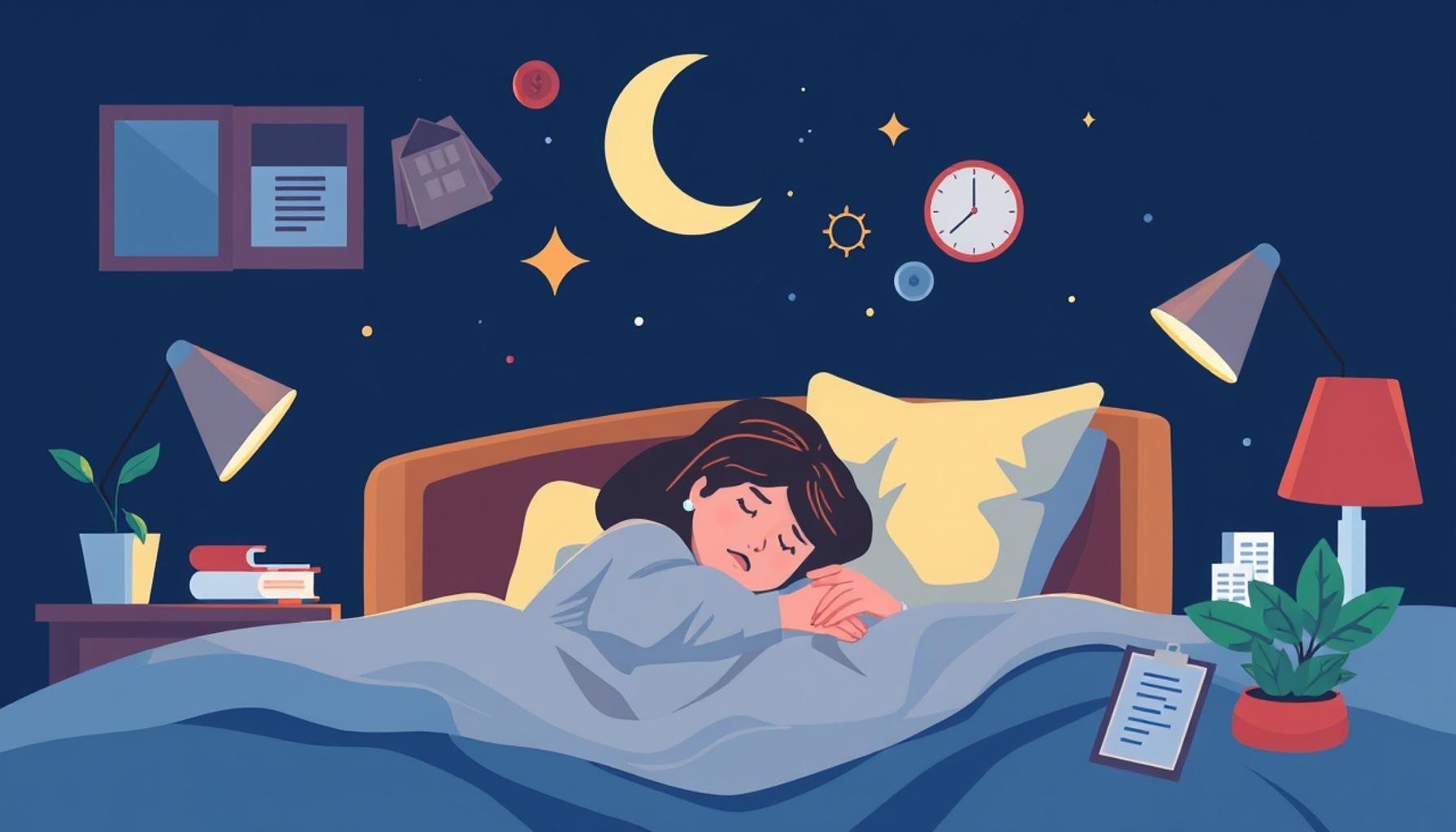
The Intricate Link Between Sleep Patterns and Stress Management
Stress is an unavoidable part of modern life, yet its long-term effects can be debilitating. Sleep hygiene offers a beacon of hope for those seeking to mitigate stress effectively. Understanding how good sleep practices influence our stress levels is crucial for unlocking a more balanced life.
Research has shown that individuals who prioritize quality sleep often experience lower stress levels. To grasp the importance of sleep hygiene, consider the following key points that illustrate this vital connection:
- Improved Focus: Proper sleep enhances cognitive functionality, including memory retention, problem-solving skills, and creativity. For instance, students who get adequate rest tend to perform better on exams compared to their sleep-deprived peers, as studies have consistently shown a direct correlation between sleep and cerebral efficiency. This heightened focus enables better decision-making, allowing individuals to tackle daily challenges with clarity.
- Emotional Regulation: Adequate rest not only improves mood but also bolsters emotional stability. People who have consistent sleep patterns are often more resilient when faced with stressors. For example, in a workplace setting, an employee who gets enough sleep is less likely to react negatively to a high-pressure situation than someone who has been deprived of rest, thus creating a healthier work environment.
- Physical Health: Good sleep is a cornerstone of overall physical health, reinforcing the immune system and reducing the likelihood of stress-related ailments such as headaches, digestive issues, and cardiovascular problems. According to the Centers for Disease Control and Prevention (CDC), insufficient sleep can lead to chronic health conditions, which adds to the stress burden, creating a vicious cycle.
In a country where sleep deprivation has reached epidemic levels, exploring the nuances of sleep hygiene becomes increasingly important. Factors contributing to poor sleep include excessive screen time, irregular sleep schedules, and high caffeine intake, all of which are prevalent in American households. Simple practices such as maintaining a consistent bedtime, creating a restful environment, and limiting stimulants can transform your nightly routine, paving the way for a more serene mindset.
As we delve deeper, we will uncover effective sleep strategies and their profound impact on reducing stress. From developing relaxation techniques to implementing bedtime rituals, each step can significantly influence not only how well you sleep but also how you navigate daily stresses. Get ready to embark on a journey that not only enhances your nights but also enriches your days, empowering you to reclaim control over your health and well-being.
Understanding Sleep Hygiene: The Foundation of Stress Management
In our fast-paced society, where efficiency and productivity often take precedence, the importance of sleep hygiene frequently gets overlooked. However, establishing a solid foundation for good sleep practices is key to reducing stress and enhancing overall well-being. By grasping the essentials of sleep hygiene, individuals can take proactive steps toward fostering a healthy sleep environment that promotes relaxation and recovery.
At its core, sleep hygiene refers to a series of practices and habits that are necessary for quality sleep. Here are several fundamental components that can significantly impact the quality of sleep and, consequently, stress levels:
- Sleep Schedule Consistency: Going to bed and waking up at the same time every day, even on weekends, helps regulate the body’s internal clock. A study from the University of Pennsylvania found that maintaining a consistent sleep schedule is associated with improved sleep quality and reduced daytime sleepiness. This consistency not only helps improve sleep duration but also encourages better resilience against stressors.
- Sleep Environment: Creating a dedicated sleep environment can dramatically enhance sleep quality. This involves keeping the bedroom cool, dark, and quiet, along with investing in a comfortable mattress and pillows. A comfortable and calming sleep setting soothes the mind and body, promoting faster sleep onset and uninterrupted rest, ultimately leading to reduced stress levels.
- Pre-Sleep Rituals: Engaging in relaxing activities before bedtime, such as reading, meditating, or gentle stretching, signals to the body that it is time to wind down. The National Sleep Foundation emphasizes the effectiveness of these rituals in enhancing sleep quality, which has a significant effect on stress management, particularly when individuals face demanding daily responsibility.
In addition to these practices, the role of technology cannot be ignored. The prevalence of screens in today’s lifestyles poses a challenge to sleep hygiene. Blue light emitted from devices can interfere with the production of melatonin, the hormone responsible for regulating sleep. This interference may lead to difficulty falling asleep and reduce overall sleep time, consequently leading to heightened stress levels. Awareness of this detrimental impact is crucial, prompting a shift towards limiting screen time at least an hour before bed.
The relationship between sleep hygiene and stress reduction is not merely anecdotal; research supports this connection. A study published in the journal Sleep outlined that improved sleep quality directly correlated with decreased feelings of stress and anxiety among participants. Those who practiced good sleep hygiene reported feeling significantly more relaxed and better equipped to manage their daily stresses.
As we continue to explore practical approaches to enhancing sleep hygiene, it becomes clear that these strategies not only improve the depth of our slumber but also create a fortified defense against the pressures of daily life. The journey toward stress management begins with understanding and implementing these fundamental sleep practices, setting the stage for a more balanced and fulfilling life.
| Category | Details |
|---|---|
| Improved Mood | Quality sleep is linked to enhanced emotional well-being, reducing anxiety and feelings of stress. |
| Enhanced Focus | A well-rested mind offers better concentration and productivity, essential for managing stress effectively. |
| Physical Health | Good sleep hygiene promotes overall health, which is crucial for stress resilience. |
| Sleep Routine | Establishing a consistent sleep schedule can dramatically contribute to lower stress levels. |
Exploring the relationship between sleep hygiene and stress reduction reveals how essential quality sleep is for our overall mental and physical well-being. When we neglect our sleep needs, our bodies react with heightened stress responses that can affect every aspect of life. Implementing effective sleep hygiene techniques, such as maintaining a consistent sleep schedule, creating a relaxing bedtime routine, and minimizing screen time before sleep, can fundamentally shift our stress levels. Research indicates that making even small adjustments to our sleep habits can lead to significant improvements in stress management and resilience. By fostering a sleep environment conducive to rest, we can better equip ourselves to handle daily challenges. Maintaining good sleep hygiene not only enhances mood and cognitive performance but also acts as a natural buffer against stress-related health issues, leading to a healthier and more balanced life.
Exploring the Connection: Sleep Hygiene and Emotional Resilience
While the importance of adequate sleep hygiene is well established, the nuances of how these practices specifically contribute to stress reduction warrant deeper exploration. Understanding the intricate relationship between sleep and mental health can empower individuals to prioritize their sleep hygiene, thus fostering greater resilience against stressors.
One critical area of investigation is the impact of sleep quality on emotional regulation. Research indicates that poor sleep can lead to heightened emotional responses and a decreased ability to cope with stressful situations. A study conducted by the University of California, Berkeley, found that insufficient sleep can impair brain pathways responsible for regulating emotions, making individuals more susceptible to anxiety and irritability. When people are well-rested, they are better equipped to tackle challenges without feeling overwhelmed, thereby mitigating stress levels.
Furthermore, sleep hygiene can directly influence the body’s physiological response to stress. When individuals engage in consistent sleep practices, their bodies are more likely to produce adequate levels of cortisol, the hormone that plays a central role in the stress response. According to a study published in the journal Psychoneuroendocrinology, improved sleep quality was associated with lower cortisol levels, indicating a more balanced reaction to stress. Consequently, those who prioritize sleep hygiene are likely to find themselves calmer and more composed when faced with daily pressures.
Beyond the immediate effects of sleep on emotional and physiological responses, long-term adherence to sleep hygiene has profound implications for mental health. Individuals who maintain regular sleeping patterns are less likely to develop chronic stress-related disorders such as anxiety disorders or depression. The American Psychological Association highlights the critical importance of sleep in safeguarding against mental health challenges, linking good sleep hygiene to a decreased risk of psychological distress.
Moreover, incorporating mindfulness techniques into pre-sleep routines can enhance the benefits of good sleep hygiene. Practices such as guided meditation or focused breathing can help reduce racing thoughts and anxiety, paving the way for improved sleep quality. A publication from the National Institutes of Health underscores the effectiveness of mindfulness in lowering stress levels and enhancing overall psychological well-being, especially when combined with sound sleep habits.
It’s also worth mentioning that sleep hygiene is particularly vital for those in high-stress professions. For example, healthcare workers and educators often face unique stressors that can take a toll on mental and physical health. Data from a survey conducted by the National Health Service indicate that healthcare professionals who prioritize sleep hygiene report fewer symptoms of burnout and higher levels of job satisfaction. The incorporation of robust sleep practices can thus serve as an essential tool for those seeking to navigate demanding careers while maintaining mental well-being.
As people investigate the relationship between sleep hygiene and stress reduction, they can discover myriad strategies tailored to their own lifestyles. From optimizing their sleep environment to incorporating mindful practices, individuals have valuable resources at their disposal to combat the stresses of modern life.
Conclusion: Prioritizing Sleep Hygiene for a Stress-Free Life
The evidence is clear: sleep hygiene plays a crucial role in managing and reducing stress. By adopting healthy sleep habits, individuals not only enhance their sleep quality but also fortify their emotional resilience against the inevitable stressors of life. The studies highlighted demonstrate that well-rested individuals exhibit better emotional regulation, showcasing a reduced tendency toward anxiety and irritability. This is particularly relevant in today’s fast-paced world, where stress levels are on the rise.
Moreover, long-term commitment to sleep hygiene can lead to a significant decrease in the risk of developing chronic mental health issues, such as anxiety disorders or depression. This highlights the profound importance of consistent sleeping patterns as a foundational aspect of mental wellness. In practical terms, integrating elements such as mindfulness techniques and maintaining a conducive sleep environment can provide the necessary tools for stress management.
For those navigating high-stress professions, the benefits of good sleep hygiene become even more pronounced, alleviating feelings of burnout and enhancing job satisfaction. As we continue to explore the intricate relationships between sleep hygiene and overall well-being, the importance of prioritizing sleep in our daily routines cannot be overstated. By making informed choices about our sleep habits, we can empower ourselves to lead a healthier, more balanced, and less stressful life.
As you embark on your own journey toward better sleep hygiene, remember that even small changes can make a significant difference. Start by evaluating your sleeping environment, establish a calming pre-sleep routine, and make sleep a priority. With every night of restorative sleep, you’re taking a step closer to reclaiming control over stress and enhancing your overall mental health.

Linda Carter
Linda Carter is a writer and wellness enthusiast specializing in healthy habits, balanced living, and personal well-being. With extensive experience creating practical content that helps readers improve their daily routines, Linda shares insights on our platform to inspire healthier choices. Her goal is to empower readers with simple advice and effective strategies to build a more balanced, mindful, and fulfilling life.