The Importance of Art in Mental Health: How Creative Hobbies Transform Lives
The Transformative Power of Creativity
Art is often underestimated and perceived merely as a form of expression. However, its impact on mental health is profound, transcending mere aesthetics to create genuine transformations in individuals’ lives. Engaging in creative pursuits can significantly enhance emotional well-being and offer notable therapeutic benefits. Incorporating art into daily routines is not merely beneficial; it can be essential.
Stress Relief Through Creativity
One of the most compelling advantages of engaging in artistic activities is the powerful ability to reduce stress. Research indicates that participating in creative endeavors can lower cortisol levels, a hormone associated with stress, thus leading to a relaxed state of mind. For instance, individuals who paint or draw often describe the experience as meditative, allowing them to escape daily pressures temporarily. Moreover, taking a ceramics class or engaging in DIY crafts can serve as a therapeutic break from the demands of everyday life, providing a much-needed outlet for stress relief.
Boosting Mood and Happiness
Creativity is not just a diversion; it has been scientifically established that it can lead to improved mood. Studies indicate that engaging in artistic expression can result in increased happiness and satisfaction. For example, a group of participants involved in art therapy experienced a notable decrease in feelings of anxiety and depression. The act of creating something beautiful allows individuals to take pride in their work, promoting a positive self-image and enhanced overall well-being.
Enhancing Communication Skills
Art greatly enhances communication, particularly for those who find it challenging to articulate feelings. Through painting, writing, or even music, individuals can express complex emotions that may otherwise remain buried. Many therapists now incorporate creative activities into sessions to help clients open up. For example, a teenager struggling with feelings of isolation might find solace in writing poetry, allowing them to articulate their emotions in a non-threatening way, thereby facilitating discussions that might have been difficult otherwise.
The act of creating contributes to self-discovery, enabling individuals to explore new facets of their identities. Regardless of the medium—be it painting, sculpting, or writing—the journey into creativity fosters connections with others and encourages a sense of community and belonging. This is particularly important in a time when many struggle with feelings of isolation.
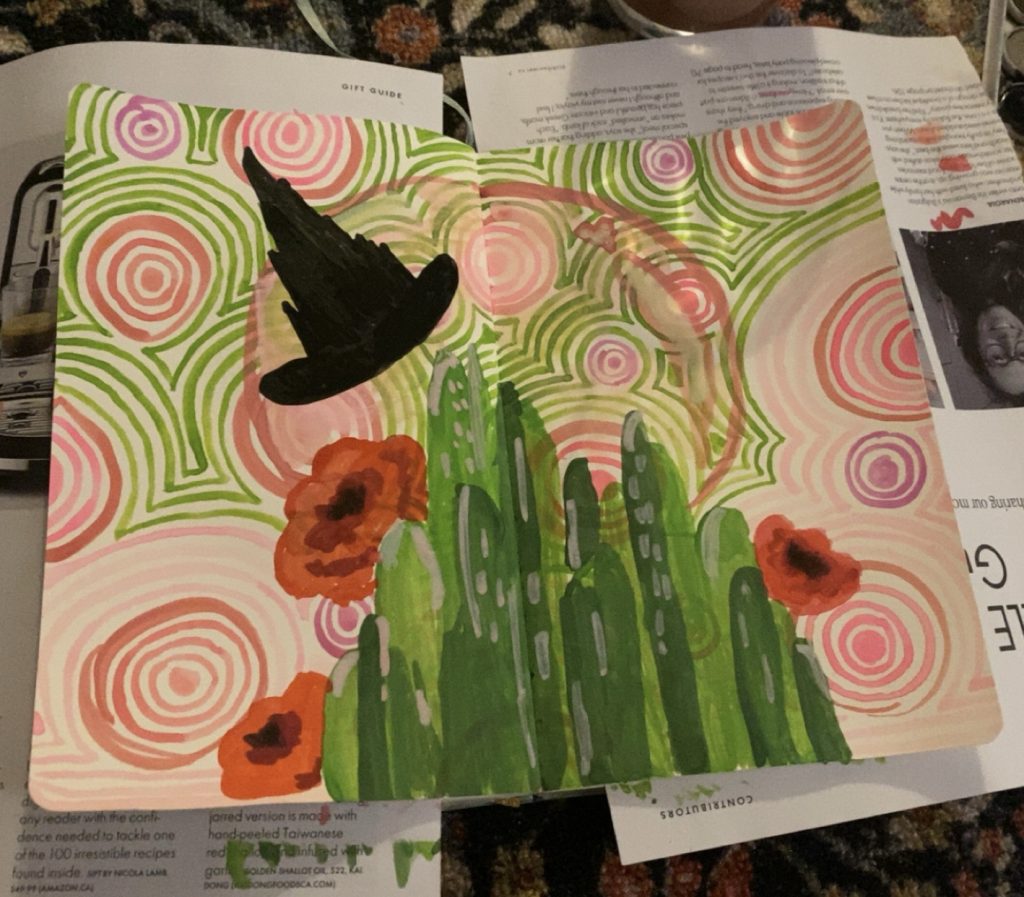
In the United States, statistics reveal that nearly 1 in 5 adults contend with mental health challenges annually. The implementation of art as a coping mechanism can provide transformative solutions. Exploring creative outlets can lead to profound lifestyle changes and foster better mental health practices. As we delve deeper into this topic, we will uncover remarkable stories of individuals whose lives have been enriched by the therapeutic powers of art, showcasing the potential for healing and inspiration that awaits all who embark on their creative journeys.
Creativity as a Healing Force
As society becomes increasingly aware of the significance of mental health, the role of artistic expression emerges as a crucial element in therapeutic practices. Creative hobbies don’t just serve as a pastime; they can become lifelines for many individuals facing mental health challenges. By fostering self-expression, art allows people to connect with their emotions, making it a viable tool for healing. It is essential to recognize that the act of creating is inherently restorative, offering numerous benefits that can aid in managing anxiety, depression, and other mental health disorders.
The Science Behind Art and Well-Being
Numerous studies have explored the intersection between art and mental health, revealing compelling results. For instance, a study published in the *Arts in Psychotherapy* journal indicated that engaging in visual arts can significantly reduce symptoms of mental health disorders. Participants who dedicated time to artistic activities reported enhanced emotional resilience and improved overall life satisfaction. The physiological aspects of creativity cannot be ignored either; when individuals immerse themselves in art, their brain releases endorphins, the body’s natural mood lifters.
Building Confidence and Self-Esteem
One remarkable impact of engaging in artistic hobbies is the boost in confidence and self-esteem individuals commonly experience. When people create, they embark on a journey of personal growth. Completing a project, whether it’s a painting, a poem, or a piece of music, cultivates a sense of accomplishment. This can be particularly impactful for those struggling with low self-worth. As individuals see their skills evolve, they begin to recognize their potential, ultimately changing their inner dialogue from negative to positive.
The Journey of Self-Discovery
Art is fundamentally about exploration, allowing individuals to uncover aspects of their personalities they may have previously overlooked. Through various creative outlets, such as:
- Painting and Drawing: Offers a visual canvas to express emotions that may be difficult to put into words.
- Writing: Opens new pathways for individuals to articulate their thoughts and feelings, often leading to profound insights.
- Dancing: Combines movement with expression, unlocking emotional barriers and promoting catharsis.
- Music: Serves as a powerful medium for storytelling and emotional exploration, allowing for communal experiences.
As people engage in these practices, they embark on a personal journey that sharpens their awareness, ultimately fostering a healthier relationship with themselves and the world around them.
Moreover, art fosters connections between individuals, creating a sense of community that is especially valuable in today’s increasingly fragmented society. In support groups or workshops, participants not only learn from the creative processes but also share their stories, building empathy and understanding. As we continue to explore the profound benefits of art in mental health, it becomes increasingly evident that creative hobbies are indeed transformational tools in navigating life’s challenges.
The Role of Creative Expression in Mental Well-being
Engaging in creative hobbies is more than just a leisure activity; it serves as a crucial instrument for improving mental health. Numerous studies show that creative expression can foster emotional healing, relieve stress, and enhance overall psychological resilience. When individuals immerse themselves in art, they often find a unique avenue to explore their feelings, enabling them to confront and understand complex emotions that can often feel overwhelming.
Art as a Coping Mechanism
Art therapy and creative pursuits such as painting, music, and writing can act as effective coping mechanisms. Through the act of creation, individuals often experience a release of pent-up emotions, which may otherwise manifest as anxiety or depression. Expressing oneself artistically allows not only for the exploration of feelings but also for self-discovery, helping individuals connect with their innermost thoughts.
Enhancing Social Connections
Moreover, creative hobbies often promote social interaction. Group art classes or community workshops encourage people to come together and share their experiences. This sense of community can combat feelings of loneliness and isolation that are prevalent in many individuals dealing with mental health challenges. Studies indicate that social support connects individuals to greater well-being, emphasizing the importance of collaboration through creativity. Engaging with others in artistic spaces often leads to meaningful friendships, fostering a supportive environment that nurtures mental health.
The Therapeutic Benefits of Routine
Incorporating creative activities into one’s daily routine can provide a much-needed sense of structure. Scheduling time for these hobbies acts as a form of self-care, promoting mindfulness and encouraging individuals to focus on the present moment. Additionally, the act of completing an art project can yield a profound sense of accomplishment, bolstering self-esteem and motivation. This positive reinforcement from engaging in creative endeavors serves to create a cycle of productive and fulfilling activities that enhance mental health.
As we delve deeper into the significance of art in mental health, we uncover how creative hobbies not only transform lives but also pave the way for emotional wellness and psychological growth.
| Category | Key Features |
|---|---|
| Art Therapy | Utilizes creative activities to assist mental health, allowing for exploration of emotions. |
| Social Interaction | Encourages community building and support through shared creative experiences. |
Community Engagement and Social Connection
Art serves as a powerful tool not just for individual healing, but also for fostering social connections and building community. Engaging in artistic activities can reduce feelings of isolation, an experience common among those coping with mental health issues. Group art classes, community mural projects, or theater productions provide spaces where individuals can come together, share their experiences, and support each other’s journeys. The communal aspect of artistic expression creates bonds that may not only lift spirits but also cultivate long-lasting friendships and networks of support.
Influence of Art Therapy
Art therapy, a specialized therapeutic approach that incorporates artistic activities, highlights the profound role of creativity in mental health treatment. Facilitated by licensed therapists, art therapy engages clients in the creative process as a means of communication and self-exploration. A 2021 study published in *Art Therapy* journal found that participants engaged in art therapy experienced significant reductions in anxiety and depression symptoms, underscoring the method’s effectiveness in therapeutic settings. Art therapy encapsulates the notion that art is a safe outlet for individuals to process emotions and trauma, often leading to breakthroughs that traditional talk therapy may not achieve.
Art as a Coping Mechanism
Beyond structured therapies, creative hobbies serve as essential coping mechanisms for the everyday challenges of life. Anxiety, stress, and sadness are experiences that everyone encounters, and turning to a creative outlet can provide a therapeutic escape. Activities like journaling, crafting, or playing a musical instrument can become anchors that ground individuals during turbulent times. The creative process itself can act as mindfulness practice, distracting the mind from negative thoughts while promoting relaxation and mental clarity. For many, having a moment dedicated to art becomes a sacred space for reflection and rejuvenation.
Empowering Marginalized Communities
Artistic expression is particularly transformative within marginalized communities, where mental health stigma can be more pronounced. Community arts initiatives often aim to create inclusive environments for individuals from diverse backgrounds to come together and express themselves. For example, programs like “The Moth” storytelling series allow individuals to share their narratives, promoting understanding and empathy among participants. By amplifying marginalized voices through art, these initiatives not only help individuals confront their struggles but also dispel stereotypes surrounding mental health in various communities.
Access to Resources and Education
As art becomes a more recognized avenue for therapeutic benefits, access to resources is expanding. Nonprofits across the United States are actively promoting mental health awareness through creative arts programs. Workshops and community events—often with minimal fees—allow individuals to discover new hobbies while learning about mental wellness. Moreover, integrating arts into educational curricula encourages younger generations to understand the emotional benefits of creativity early on. Schools that incorporate art into their programs not only stimulate students’ creativity but also lay the groundwork for healthier emotional expression in adulthood.
Engaging with art, in its many forms, illustrates an undeniable link between creativity and mental well-being. As research, community engagement, and therapeutic practices illuminate the importance of these artistic outlets, it becomes evident that the arts are not merely an accessory but a fundamental aspect of human experience, especially in the realm of mental health.
Conclusion: The Transformative Power of Art in Mental Health
In conclusion, the connection between art and mental health is undeniably profound, revealing how creativity can serve as a lifeline for individuals seeking solace and understanding in their emotional journeys. From structured art therapy programs to the simple joy of engaging in creative hobbies, each artistic endeavor not only promotes self-expression but also offers a pathway to healing and personal growth. The communal experiences fostered by art activities dissolve feelings of isolation and cultivate a rich tapestry of support among participants.
Moreover, art stands as a beacon of empowerment, particularly within marginalized communities, where creative expression can shatter stigma and encourage dialogue surrounding mental health issues. As resources and educational opportunities concerning the therapeutic benefits of art expand, they enable more individuals to embark on their healing paths while equipping future generations with vital emotional skills.
Ultimately, embracing art in its various forms is not just about beautifying our lives; it is about understanding its transformative potential in enhancing mental wellness. Individuals are invited to explore their creativity as a means to navigate life’s intricacies. As society continues to recognize the importance of creativity in maintaining mental health, the hope for healing through art becomes an accessible reality for all. To discover more about how art can impact mental health, communities and individuals are encouraged to seek out art programs, workshops, and therapeutic opportunities—transforming lives one brushstroke, note, or word at a time.