The Importance of Community in Handicrafts: Connecting Through Creation
Exploring the Bond Between Handicrafts and Community
In a world increasingly dominated by technology, the art of handicrafts remains a vital link to tradition and creativity. This potent field not only showcases individual talent but also fosters a strong sense of community, uniting artisans and crafters alike. By engaging in handicrafts, we find ways to share our skills, stories, and cultures.
At its core, the significance of community in the handicraft movement can be distilled into several key aspects that resonate deeply across diverse groups of artisans.
- Collaboration: Local artisans often collaborate on projects, blending techniques and ideas. This framework of collaboration can be seen in craft co-ops and local studios where artists come together to create unique pieces. For example, in many small towns across the United States, community art projects may involve local ceramicists and textile artists working side by side, resulting in innovative, multifaceted pieces that reflect the area’s culture and creativity.
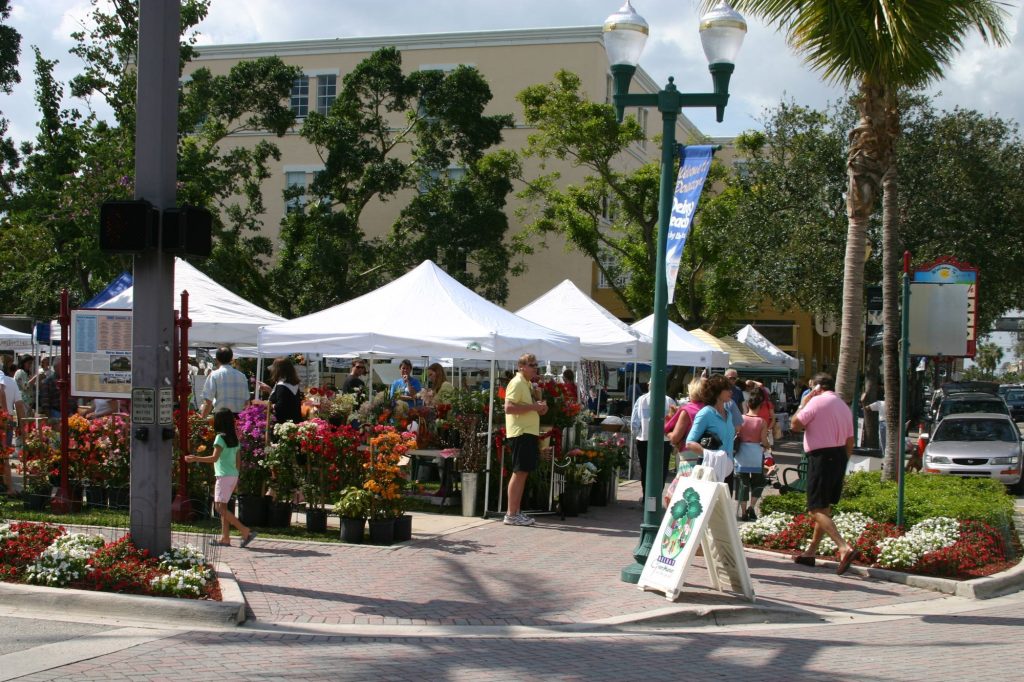
- Support: Craft fairs and workshops provide a platform for community support, boosting local economies. These events not only attract attendees who may not be familiar with local crafts but also help create a sense of pride and belonging. Markets like the Renegade Craft Fair in cities like Brooklyn and Chicago have become hubs for creative entrepreneurs, offering them the opportunity to showcase their work while simultaneously gaining exposure and generating income.
- Education: Knowledge is shared through classes, ensuring traditional skills are passed down through generations. Community centers often offer adult education classes in everything from quilting to woodworking, bridging generational gaps and encouraging participation from all ages. For instance, the resurgence of knitting circles in urban community spaces allows young people to learn from older generations who are eager to share their craft knowledge.
Beyond these key aspects, handicrafts create a rich tapestry of creativity that enhances not only individual expression but also strengthens communal bonds. From knitting circles to pottery studios, every crafted piece tells a story of connectivity. Each item produced may carry the fingerprints of its maker, an intimate reminder of the process involved and the community that inspires it.
As communities across the United States embrace this revival of handicrafts, the importance of these connections becomes ever more evident. The growth of DIY culture and the establishment of maker spaces in cities highlight a collective longing for engagement in tangible, creative activities. In exploring how creativity connects us, we invite you to delve deeper into the world of handicrafts and discover the profound impact they have on fostering communal ties.
Through this exploration, one can see that handicrafts are not merely hobbies or pastimes, but powerful tools for community building that echo through generations. As artisans continue to collaborate, support each other, and educate those willing to learn, the quality and richness of these connections will undoubtedly flourish, breathing life into communities across the nation.
Unpacking the Community-Centric Nature of Handicrafts
The realm of handicrafts is a dynamic mosaic of personal expression and cultural heritage, but its beating heart is undeniably the community that nurtures it. When artisans come together, they create not only works of art but also a network of support and understanding that enhances the overall crafting experience. This interconnectedness underscores how the process of creation can strengthen community bonds and enrich individual lives.
One of the most compelling aspects of community in handicrafts is the concept of shared resources. Many artisans benefit from communal spaces equipped with tools, materials, and mentorship. Maker spaces, which have gained traction in many American cities, serve as crucial venues where individuals can craft alongside others, exchange ideas, and gain access to expensive equipment that may otherwise be unattainable. For instance, a community woodworking workshop in Minneapolis provides members with saws, lathes, and other equipment, fostering a culture where learning and collaboration thrive.
An essential facet of this communal fabric is the shared learning experience. In the world of handicrafts, knowledge is power, and communities often come together to share skills through workshops and classes. These educational opportunities not only equip participants with new techniques but also create moments of connection. For example, a quilting bee in a small town can become a cherished tradition, where individuals come together, hone their skills, and strengthen friendships while contributing to a larger project. Similarly, classes in pottery or glassblowing frequently evolve into social gatherings, where attendees leave not only with a piece of their creation but also with newfound friendships forged through shared adventure.
The social fabric woven through handicrafts is enriched further by cultural exchange. Many community craft events celebrate diversity, inviting artisans from various backgrounds to showcase their traditions. Festivals such as the Shepherdstown Street Festival in West Virginia highlight local craftsmanship while providing a platform for cultural storytelling. Artisans share the significance of their crafts, allowing attendees to learn about different cultures and histories, creating connections that go beyond the tangible. This exchange not only celebrates individual creativity but also creates a rich collective experience that resonates deeply within the community.
Moreover, community involvement often leads to a profound sense of achievement and fulfillment. When people participate in community art projects, they become part of something larger than themselves. Collaborations can transform public spaces through murals, sculptures, or installations, fostering pride among residents and enhancing the identity of the community. The sight of an engaging public art piece in a park can serve as a reminder of collective creativity, reinforcing the idea that handicrafts are instrumental in shaping environments and cultivating emotional connections among people.
As this exploration reveals, the significance of community within the handicrafts sector cannot be overstated. Its roots run deep, branching into collaboration, shared resources, cultural exchange, and personal growth. We invite you to delve deeper into how these elements intertwine, revealing an vibrant ecosystem where artisans not only create but thrive together.
The Transformative Power of Community in Handicrafts
The realm of handicrafts extends far beyond individual creation, encompassing a robust tapestry of community connections that stimulate both personal growth and collective enrichment. In many cultures, artisans gather in workshops and studios, sharing techniques and stories, which enriches their craft and fosters a sense of belonging. This collaboration not only nurtures creativity but also strengthens the sense of purpose within the group. The camaraderie found among artisans often leads to greater innovation as ideas flow freely in a supportive environment.
Strengthening Local Economies
When communities rally around handicrafts, they also enhance their local economies. Handmade goods often have higher perceived value, leading to increased sales and sustainability for small businesses. Not only does this create jobs, but it also empowers artisans, particularly those from marginalized communities, to cultivate their skills while maintaining their cultural heritage. Festivals and markets that celebrate local craftsmanship attract tourism and encourage community cohesion, driving economic vitality.
| Community Impact | Benefits to Artisans |
|---|---|
| Cultural Exchange | New techniques and collaborative projects enhance creativity. |
| Skill Development | Mentorship opportunities lead to improved craftsmanship. |
Moreover, the digital age has further transformed these dynamics. Online platforms provide artisans with access to broader markets, thus enabling communities to share their rich traditions and craftsmanship with a global audience. This fusion of local and digital not only helps sustain traditional practices but allows them to evolve, adapting to the demands of modern consumers while preserving the cultural essence.
Empowering Through Education
Workshops and community classes serve as vital channels for knowledge transfer and skill acquisition. By encouraging new generations to engage with handicrafts, communities can preserve their cultural heritage while fostering innovation. The resulting engagement builds confidence and self-esteem in participants, who learn that their creations have intrinsic value. Engaging with communities through handicrafts potentially paves the way for future leaders in various artistic fields, planting the seeds of entrepreneurship and cultural stewardship.
Empowering Individuals Through Crafting Networks
As the art of handicrafts continues to evolve, the role of community becomes increasingly significant in empowering artisans and enhancing their craftsmanship. The importance of these networks can be highlighted through the concept of peer support. When artisans come together, they share not only materials and skills but also emotional and psychological support, leading to a healthier creative process. In spaces where makers collaborate, there is an inherent understanding that challenges will arise—from creative blocks to the anxieties of sharing one’s work for critique. This shared experience fosters resilience and motivates individuals to push their boundaries.
Communities also instill a sense of accountability among its members. For many artisans, being part of a crafting group encourages them to set goals and strive for higher standards. Let’s consider the case of a local crochet circle in Denver, which meets weekly. The members exchange feedback on their projects, offer techniques, and even share supply sources, fostering a culture where each participant feels motivated to enhance their skills. Such instances reveal how critical it is for creators to have a supportive environment that not only nurtures creativity but also celebrates incremental achievements on their artistic journey.
Furthermore, community crafting initiatives often pave the way for economic empowerment. Many artisans find avenues for monetizing their crafts through local markets, pop-up shops, and online collaborations that are often organized within these networks. Events like the Brooklyn Flea, which provides a platform for local artisans, enable creators to showcase and sell their work, fostering a symbiotic relationship between commerce and creativity. By participating in such community-driven markets, artisans gain exposure to buyers who appreciate not only the craft but the story behind each piece, reinforcing the community’s identity and resilience.
Innovative programs that bridge community and technology further exemplify the importance of connectivity in the handicraft sector. Initiatives like Crafting the Future, which supports historically marginalized artisans, demonstrate how mentorship programs can cultivate more inclusive spaces for creativity. These programs often utilize digital platforms to connect mentors with aspiring artisans, enabling a new generation to learn and thrive in a supportive environment. The fusion of traditional crafts with modern tools reflects the evolving impact community maintains on the crafting landscape.
Additionally, the aspect of sustainability in handicrafts cannot be overlooked. Many community-based initiatives advocate for eco-friendly practices, encouraging artisans to use recycled materials and focus on local production methods. Collaborative workshops aimed at educating creators about sustainable craft materials and techniques not only benefit individual artisans but also promote a collective responsibility toward environmental stewardship. For example, events held by organizations such as Alabama Chanin focus on teaching techniques that reduce waste while also enhancing community relationships through shared values.
In examining the multifaceted role of community in the handicrafts domain, it is clear that interconnectedness promotes not just the act of creation but enriches the lives of artisans. By supporting one another, sharing resources, enhancing skill sets, and fostering economic opportunities, communities become dynamic ecosystems where handicrafts flourish. The collective energy and shared purpose manifest in various ways, showcasing the unrivaled power of connection through creation.
Conclusion: The Collective Strength of Crafting Communities
In conclusion, the significance of community in the realm of handicrafts extends far beyond mere collaboration; it embodies a transformative force that nurtures creativity, fosters social connections, and drives economic opportunities. By creating spaces where artisans can share their skills and experiences, communities become vital ecosystems characterized by mutual growth and resilience.
The powerful bonds formed within crafting networks enhance not only individual talent but also collective knowledge. Artisans engaged in these supportive environments are more likely to innovate, explore new techniques, and remain committed to their craft, resulting in a rich tapestry of diverse creative expression. As we have seen through local initiatives and national movements, communities serve as the backbone of a thriving artisan economy, enabling creators to monetize their crafts while telling their unique stories.
Moreover, community-driven efforts towards sustainability further emphasize the shared commitment to environmental stewardship that many artisan groups embody. Through workshops and collaborative projects, artisans are educated on eco-friendly practices that promote responsible crafting, blending creativity with conscious consumerism.
As the landscape of handicrafts continues to evolve, the role of community will remain essential. By bridging tradition with innovation, online platforms with local events, and disenfranchised artisans with mentorship opportunities, the spirit of connection will undoubtedly flourish. In nurturing these relationships, we not only empower individual creators but also lay the groundwork for a vibrant and sustainable crafts movement that honors the past while paving the way for the future. Embracing this interconnectedness may very well unlock the limitless potential available within our communities—one handmade piece at a time.