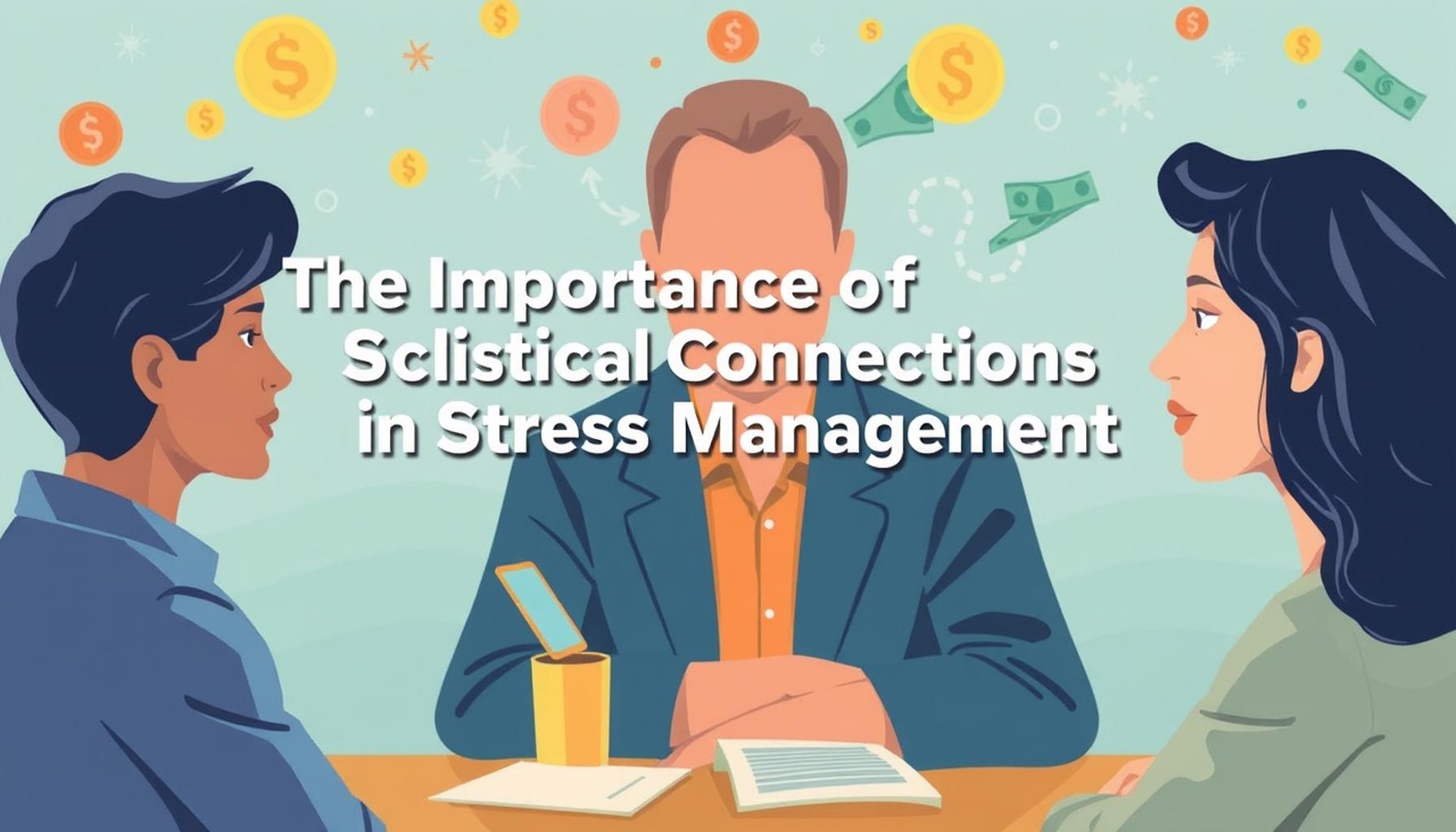
The Importance of Social Connections in Stress Management
The Importance of Social Interactions in Combating Stress
In today’s whirlwind of responsibilities—from work deadlines to family obligations—stress management has become a critical component for preserving both mental and physical health. One of the most compelling and effective means to combat stress is through social connections. Numerous studies have repeatedly highlighted that people with solid interpersonal relationships enjoy lower stress levels compared to those who isolate themselves.
The Impact of Relationships on Stress
Social connections serve multiple purposes that help alleviate stress, providing avenues for comfort and support when life gets overwhelming. Here are several key ways relationships influence our stress levels:
- Emotional Support: Friends and family often serve as confidants, offering a listening ear and words of encouragement during challenging times. For instance, a casual coffee meeting with a close friend can transform a seemingly insurmountable problem into a manageable one.
- Shared Experiences: Engaging in activities with others can help normalize feelings of stress and anxiety. Whether it is participating in support groups or even casual get-togethers, sharing experiences creates a sense of community that can significantly lessen feelings of isolation.
- Potential Solutions: Conversations with trusted individuals often lead to new perspectives and problem-solving strategies. For example, discussing a work-related issue with a colleague can spark innovative solutions that you might not have considered on your own.
Benefits Beyond Stress Management
Strong social ties deliver benefits that extend beyond immediate stress relief. Research suggests that individuals with rich social networks tend to experience:
- Lower Risk of Depression: Maintaining connections effectively reduces feelings of loneliness, a primary contributor to depressive states. Engaging regularly with friends or family can act as a buffer against depression.
- Increased Happiness: Positive interactions with others have been shown to boost mood and overall life satisfaction. Activities such as community volunteering not only help improve one’s outlook but also foster a sense of belonging.
- Improved Health: Socially active individuals typically enjoy healthier lifestyles, marked by better immune responses and longer lifespans. Studies indicate that people who engage in social activities tend to prioritize their health, often attending routine check-ups and maintaining healthier diets.
Reflecting on our own experiences with stress invites a deeper understanding of how crucial social connections are in our lives. Think about how your relationships influence your daily challenges. In what ways do they provide support, laughter, or even a distraction? As we continue to discover the myriad benefits of social connections, one thing remains clear: nurturing these relationships is an essential investment in our overall well-being.
Understanding the Role of Social Connections in Stress Relief
The influence of social connections on stress management is profound and multifaceted. At its core, interpersonal relationships provide a necessary buffer against the pressures of everyday life. This buffer can manifest in numerous ways, but perhaps the most notable is through the provision of emotional support. When faced with stressors, whether they stem from personal relationships, work obligations, or financial concerns, having someone to turn to can foster resilience. Friends and family not only offer a sympathetic ear but often provide a fresh perspective that helps to diffuse overwhelming emotions.
Additionally, shared experiences can diminish the weight of stress. Engaging in group activities, such as sports or hobby clubs, allows individuals to bond over common interests while simultaneously relieving tension through laughter and connection. This phenomenon can also be observed in community-oriented events, where individuals come together to share stories, tips, and strategies for overcoming life’s challenges. Such interactions not only create a sense of belonging but also help cultivate an environment where participants feel comfortable expressing their stressors.
Social Connections: A Pillar of Coping Strategies
The quest for effective coping mechanisms in the face of stress often highlights the critical role of social connections. Conversations with trusted acquaintances can lead to the exploration of potential solutions that might otherwise go unnoticed. For example, a discussion with a neighbor about managing work-life balance may reveal techniques and resources that one had not previously considered. This exchange of ideas can transform a stressful situation into a problem that feels approachable, empowering individuals to take actionable steps rather than feeling paralyzed by their circumstances.
Moreover, the emotional benefits of strong social ties extend beyond mere stress relief; they can significantly enhance one’s overall health. Studies consistently indicate that people engaged in meaningful relationships experience lower risks of chronic illnesses, such as heart disease and high blood pressure. The act of socializing appears to stimulate the immune system, thereby contributing to overall well-being. This can be especially relevant in the United States, where socioeconomic factors often lead to disparity in healthcare outcomes. Building and maintaining social connections can serve as a preventive measure against the effects of stress-induced health issues.
On a personal level, think back to a time when reaching out to a friend transformed a stressful situation. Did it lighten your mood? Provide clarity? Reflecting on personal anecdotes can deepen our understanding of how integral social interactions are to navigating the complexities of modern life. As we delve further into the relationship between social connections and stress management, it becomes evident that fostering these ties is not just beneficial—it is essential for our mental and physical health.
The Importance of Social Connections in Stress Management
In today’s fast-paced world, understanding how social connections play a role in stress management is crucial. Evidence indicates that people with strong social networks are better equipped to cope with stress. Let’s dive into the supportive roles these connections play.
| Category | Key Features |
|---|---|
| Emotional Support | Friends and family provide a listening ear and empathy, helping individuals to articulate their feelings. |
| Enhanced Coping Strategies | Supportive relationships offer diverse perspectives, equipping individuals with various techniques to tackle stressful situations. |
Furthermore, fostering these connections can yield physiological benefits. Social interactions can lower levels of cortisol, the hormone associated with stress. As you engage more in your social circle, consider how these relationships could buffer against stress-related challenges.
It’s also worth noting that volunteering and helping others can strengthen your own social ties, creating a positive feedback loop of support and connection. Leaning on these relationships can become a lifeline, especially during tough times.
As we continue to explore the domain of stress management through social connections, it becomes clear that building strong relationships is not merely beneficial but essential for holistic well-being.
Building a Community: The Social Support Network
In the United States, the concept of community plays a significant role in enhancing social connections as a means of stress management. Community support can take many forms—from local organizations and interest groups to online forums and social media communities. These networks can be invaluable resources for individuals seeking to alleviate stress through collective experiences. Engaging with others who share similar challenges fosters a sense of solidarity that can be immensely comforting, reminding individuals that they are not alone in their struggles. For instance, support groups for mental health issues provide a safe space for sharing personal hardships, which can remarkably strengthen one’s ability to cope with stress.
Furthermore, community activities often promote a sense of purpose and belonging. Volunteering opportunities create environments where individuals can connect over meaningful work, boosting both social ties and emotional well-being. Engaging in acts of kindness not only helps those in need but also reinforces a person’s sense of value and connection to others. Research suggests that individuals who partake in community service report lower levels of stress, enhanced mood, and improved overall mental health. The shared commitment to helping others can shift focus away from personal troubles, providing a much-needed respite from daily stressors.
Technology: Bridging Distances and Enhancing Interaction
In today’s digitally-connected world, technology also plays a crucial role in facilitating social connections. Social media platforms, video calls, and online communities can serve as lifelines, particularly for those with limited physical access to their social network. For instance, a study from the American Psychological Association found that individuals who maintain regular contact with friends and family through digital communication often exhibit higher resilience to stress than those who do not. The ability to connect with loved ones, no matter the distance, is an essential factor contributing to effective stress management strategies.
Moreover, the rise of virtual mental health resources has expanded access to support. Telehealth services have become increasingly popular, offering therapy and counseling from the comfort of one’s home. Having experts readily available makes it easier for individuals to reach out when they feel overwhelmed, further illustrating the power of social connections in tackling stress head-on. The traditional barriers such as location, stigma, and accessibility are mitigated through these innovative approaches, facilitating connections that are more timely and effective in reducing stress.
- Increased Emotional Awareness: Engaging with peers encourages emotional expression, promoting better understanding of one’s own feelings.
- Skill Sharing: Individuals can learn from each other, exchanging tools and strategies that have proven effective in their lives.
- Networking Opportunities: Social connections often pave the way for professional advice and job opportunities, alleviating stress related to financial concerns.
The interplay between social connections and technology continues to redefine how people manage stress. The blend of physical and virtual communities enhances one’s ability to navigate life’s difficulties while emphasizing the importance of remaining connected. As we explore these modern dynamics, it becomes clear that fostering social connections, whether through traditional means or embracing the digital age, is key to effectively managing stress and enhancing resilience in our fast-paced lives.
Conclusion: Strengthening Bonds for Stress Resilience
In a world that often feels overwhelmingly fast-paced and isolating, the importance of social connections in stress management cannot be overstated. Developing robust social networks, whether through local communities or digital platforms, offers individuals a vital tool for navigating life’s challenges. By sharing experiences and feelings with others, individuals not only find comfort but also gain insightful perspectives that can lighten their emotional burdens. The evidence is clear: a strong social support system leads to increased resilience against stress, reduced feelings of loneliness, and improved mental health outcomes.
Moreover, the integration of technology into social connections has redefined how individuals interact and seek support. The growth of online communities and telehealth services means that help is more accessible than ever. This availability not only fosters a sense of belonging but also provides a space for emotional expression and the sharing of coping strategies, allowing for a greater understanding of personal experiences. By engaging in community service or participating in online support groups, individuals can also discover a renewed sense of purpose that enriches their lives.
Ultimately, prioritizing social connections is essential for effective stress management. As we continue to uncover the layers of human interaction and emotional support, it becomes increasingly evident that nurturing these bonds is not just beneficial—but necessary for emotional well-being. The journey toward stress resilience is not one that has to be walked alone; by fostering and valuing our connections with others, we pave the way for a healthier, more balanced life.

Linda Carter
Linda Carter is a writer and wellness enthusiast specializing in healthy habits, balanced living, and personal well-being. With extensive experience creating practical content that helps readers improve their daily routines, Linda shares insights on our platform to inspire healthier choices. Her goal is to empower readers with simple advice and effective strategies to build a more balanced, mindful, and fulfilling life.