The Role of Handicrafts in Education: Learning Practical and Creative Skills in the Classroom
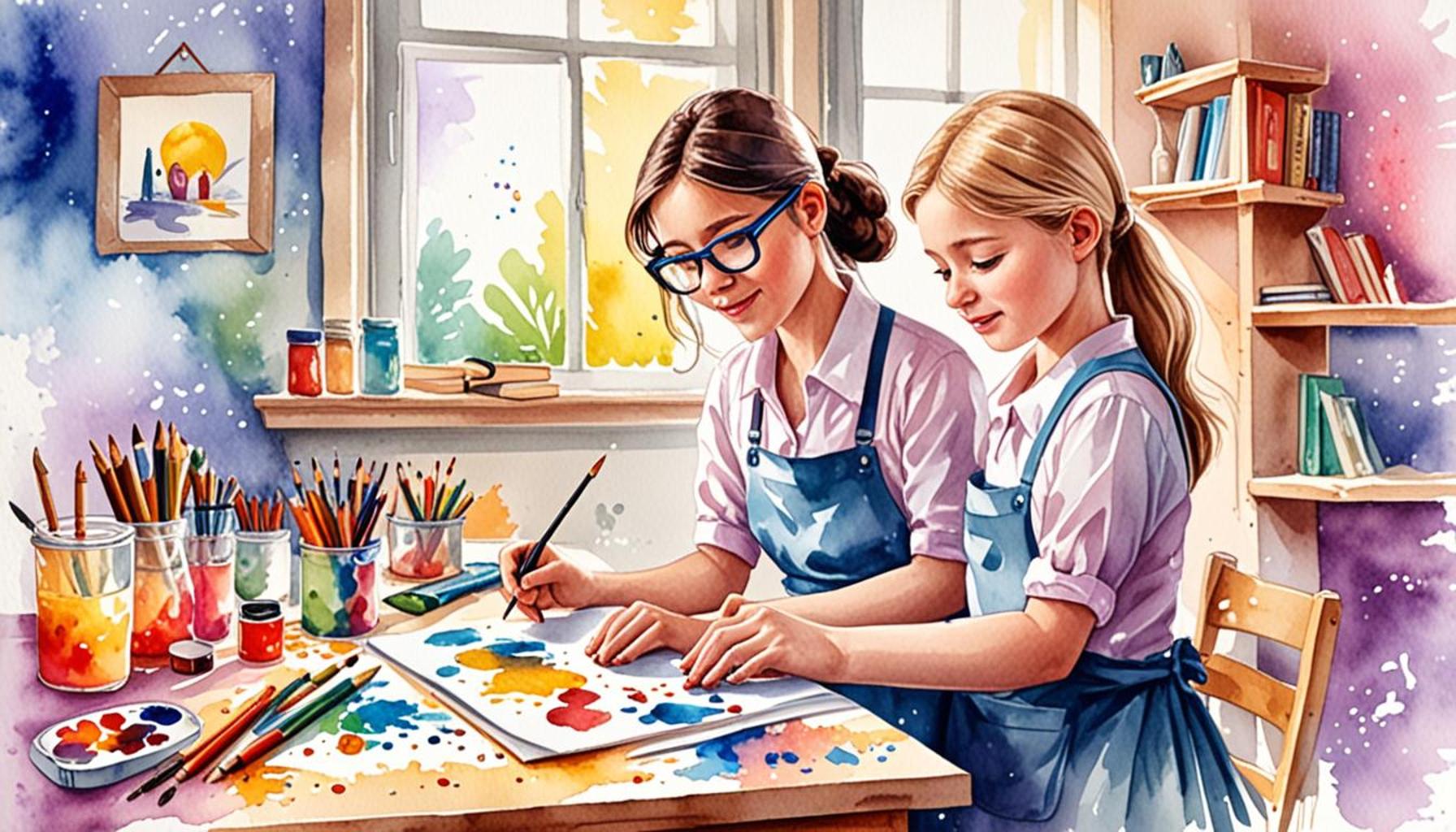
Understanding the Role of Handicrafts in Learning Spaces
In an era where digital technology often dominates education, the resurgence of handicrafts in education offers an enriching alternative that captures the essence of creative learning. These craft activities involve more than just fun; they serve as vital educational tools that impart a range of essential skills to students. By integrating craft projects into the academic setting, educators can facilitate a rich learning experience that promotes both cognitive and emotional development.
Benefits of Handicrafts in Education
- Creativity Enhancement: Involvement in handicrafts stimulates imaginative thought processes. When students engage in tasks such as creating handmade cards or designing their own jewelry, they are pushed to explore unique approaches and ideas. This creative exercise not only fosters artistic expression but also nurtures innovative thinking—skills that are invaluable in today’s workforce.
- Motor Skills Development: Crafts involve intricate actions which are essential for developing fine motor skills. Activities like knitting, origami, or working with clay require precision and coordination. For younger students, these activities pave the way for improved handwriting and enhanced dexterity, while older students benefit from the ability to manipulate tools and materials successfully.
- Problem Solving: Crafting often presents challenges, urging students to discover solutions independently or collaboratively. Whether it’s figuring out how to assemble a model or deciding how best to decorate a handmade project, these experiences sharpen critical thinking and resilience. Students learn that mistakes can be part of the process and that perseverance can lead to satisfying outcomes.
Furthermore, participation in crafts provides a tangible connection to cultural heritage. For instance, programs that incorporate traditional crafts like pottery or quilt-making not only teach techniques but also instill an appreciation for history and community values. Schools across the United States have begun to recognize the benefits of such initiatives, leading to the revival of programs focused on arts and crafts as a core component of the curriculum.
A Case for Integration in Classrooms
The push toward incorporating handicrafts into educational settings aligns with broader trends emphasizing whole-child learning, which values emotional and physical development alongside academic performance. As educators and policymakers explore more innovative methods of teaching, the case for integrating handicrafts becomes increasingly compelling. Not only do these activities enrich the educational experience, but they also equip students with practical skills necessary for real-world application.
In summary, the integration of handicrafts in education offers a wealth of benefits, enriching the curriculum and promoting personal development. As schools continue to adapt to modern educational demands, the inclusion of creative projects could prove essential in preparing students for the diverse challenges they will encounter both within and outside of the classroom.
DISCOVER MORE: Click here to enhance your crafting skills

The Multifaceted Benefits of Handicrafts in Education
As educators strive to create well-rounded learning environments, handicrafts in education stand out as a versatile tool that enhances various aspects of student development. By incorporating craft-based activities into educational curricula, teachers can unlock a myriad of benefits that foster both practical and creative skills. This approach not only enriches student engagement but also encourages critical life skills often overlooked in traditional academic settings.
Fostering Collaboration and Communication
One of the compelling advantages of engaging in handicrafts is the emphasis on collaboration among students. Craft projects often require group work, promoting essential social skills as students must communicate their ideas and coordinate tasks effectively. Such experiences foster a sense of teamwork that is invaluable in future educational and professional environments. In settings where students actively share insights and brainstorm solutions, they develop not just interpersonal skills but also the ability to appreciate diverse perspectives.
Building Cultural Awareness and Historical Context
Handicrafts can also serve as a gateway to exploring cultural heritage and historical narratives. Incorporating traditional crafts like weaving, woodworking, or printmaking into the classroom not only brings history to life but also enhances the relevance of subjects such as art and social studies. When students create items rooted in cultural significance, they gain insights into the customs, values, and histories of different communities. This understanding fosters respect and appreciation for diversity, paving the way for more inclusive societies.
Hands-On Learning: A Path to Real-World Skills
Beyond the creative and cultural facets, handicrafts offer hands-on learning experiences that prepare students for real-world applications. Skills learned through crafting—such as project management, budgeting materials, and time management—are directly transferrable to various life scenarios. Students learn to plan their projects, allocate resources wisely, and adapt to challenges, making them more adept at handling future tasks in everyday life. Moreover, the satisfaction derived from completing a tangible craft project boosts self-esteem and reinforces the value of hard work.
Engaging Different Learning Styles
The incorporation of handicrafts also presents an opportunity to engage different learning styles. Visual learners benefit from the hands-on, creative nature of craft projects, while kinesthetic learners thrive in environments that allow for tactile engagement. By catering to these varied learning preferences, teachers can create a more inclusive classroom environment that recognizes and nurtures each student’s unique abilities.
In conclusion, the integration of handicrafts in education emerges as an effective strategy that addresses multiple facets of student development. From fostering collaboration and cultural awareness to equipping learners with practical life skills, handicrafts present an invaluable addition to the curriculum. As educators continue to seek innovative teaching methods, the role of handicrafts becomes increasingly relevant, promising a richer, more engaging educational experience for students across the United States.
Incorporating handicrafts into the educational curriculum provides students with a unique opportunity to engage in hands-on learning, which enhances their overall cognitive development. This practical approach not only cultivates creative skills but also plays a significant role in teaching critical thinking and problem-solving abilities. As students work with various materials and tools, they learn to navigate challenges, fostering a sense of resilience and adaptability essential for their future endeavors.Furthermore, the practice of handicrafts supports emotional well-being. When students create tangible objects, they experience a profound sense of accomplishment. This boosts their self-esteem and motivates them to explore further creative avenues. Studies have shown that engaging in creative activities can lead to reduced stress levels, making handicrafts an effective tool for enhancing mental health in educational environments.Moreover, handicrafts provide an exceptional platform for collaboration. Group projects encourage teamwork, allowing students to share ideas, learn from their peers, and develop communication skills. Such collaborative experiences are vital for preparing students for the modern workforce, where teamwork and interpersonal skills are increasingly prized.Additionally, integrating handicrafts into learning extends beyond mere artistry; it reinforces connections to cultural heritage. By exploring traditional crafts from different regions, students gain insights into diverse cultures and histories, broadening their global awareness. This appreciation for cultural diversity is crucial in today’s globalized world, as it equips students with the understanding needed to engage thoughtfully with different communities.Ultimately, the role of handicrafts in education is multifaceted. It not only enhances practical skills but also nurtures creativity, boosts emotional health, fosters collaboration, and builds cultural awareness. As educators recognize these benefits, there’s a growing movement to embed handicraft activities into the classroom, ensuring students emerge as well-rounded individuals equipped for the demands of the 21st century.
DIVE DEEPER: Click here to discover the power of daily writing
Enhancing Cognitive Skills Through Crafting
Handicrafts not only nurture creativity but also strengthen cognitive skills, heightening students’ problem-solving abilities and critical thinking. Engaging in craft projects often requires students to devise innovative solutions to challenges that arise during the creative process. For instance, when constructing a model from recycled materials, students must assess their resources, visualize their end product, and prototype their ideas. This complex cognitive engagement enhances their analytical skills, helping them to think critically about how different components work together to create a cohesive whole.
Promoting Emotional Well-being and Stress Relief
In a world where academic pressures continue to mount, the benefits of incorporating handicrafts in education extend to emotional well-being. Crafting has been shown to reduce stress and anxiety among students. The repetitive motions involved in activities such as knitting, painting, or pottery can be calming, providing an emotional outlet amidst the hustle of rigorous academic schedules. Additionally, the sense of accomplishment that follows the completion of a craft project can greatly enhance students’ mood and self-worth, contributing to a positive learning experience overall.
Connecting to STEAM Education
The importance of handicrafts also resonates with the growing emphasis on STEAM (Science, Technology, Engineering, Arts, and Mathematics) education. Integrating handicrafts into the curriculum allows educators to highlight the interconnectivity of these disciplines. For example, when students are tasked with building structures with specific weight or height limits, they naturally incorporate engineering principles while exercising creativity. This hands-on exploration encourages a holistic learning experience that stimulates interest in STEAM careers, helping students to see the relevance of their education to real-world applications.
Encouraging Sustainable Practices
Today’s youth are increasingly conscious of environmental issues, and handicrafts can serve as an engaging platform for promoting sustainability. Classroom projects utilizing recycled materials or organic resources not only teach students about environmental stewardship but also imbue them with the knowledge of how to repurpose what may seem useless into something functional and beautiful. This mindset not only sharpens their creativity but also instills a sense of responsibility towards the planet, preparing them to approach challenges with sustainable solutions in their future endeavors.
Facilitating Personal Expression and Identity Exploration
Handicrafts provide an excellent medium for personal expression, enabling students to explore their identities and share their stories. By allowing children and adolescents to create items that resonate with their backgrounds or personal experiences, educators empower them to convey messages through their art. Whether they choose to weave patterns that reflect their cultural heritage or paint murals expressing their aspirations, these projects serve as a voice for students, offering them the chance to contribute to the classroom dialogue. This level of self-expression can foster a positive classroom culture where individuality is celebrated.
Through these diverse approaches, the integration of handicrafts into education becomes a wellspring of opportunity, enriching not just the learning experience but also equipping students with relevant and practical skills facing an ever-evolving world.
DISCOVER MORE: Click here to enhance your creativity
Conclusion
In summary, the incorporation of handicrafts in education plays a transformative role in shaping students’ learning experiences. Beyond serving as a creative outlet, handicrafts emerge as a conduit for enhancing critical cognitive skills and emotional well-being. By engaging in practical crafting activities, students not only develop problem-solving abilities but also foster resilience and self-confidence through personal expression. The connection to STEAM education further underscores the significance of hands-on learning, enriching students’ understanding of how various disciplines collaborate to occupy a space of innovation and creativity.
Additionally, as today’s learners grapple with environmental challenges, integrating sustainability into crafting projects cultivates a sense of responsibility towards the planet. This not only prepares students for challenges ahead but also encourages them to think of resourcefulness in their everyday lives. Ultimately, by embracing handicrafts in the classroom, educators are not merely enhancing academic performance; they are nurturing well-rounded individuals poised to innovate, collaborate, and contribute meaningfully to society.
As educators, parents, and community members, it’s crucial to recognize and advocate for the integration of these hands-on learning experiences. The potential for creativity and practical skill development through handicrafts is immense and deserves further exploration, ensuring that the future generations are not only academically prepared but also equipped with valuable life skills that will carry them far beyond the classroom walls.
Related posts:
Community-Based Craftsmanship: Strengthening Local Bonds Through Creativity
Craftsmanship and Mental Health: How Creative Hobbies Can Help with Anxiety and Depression
Intergenerational Craftsmanship: Sharing Skills Between Generations
Craftsmanship and Pop Culture: How Modern Influences Are Shaping New Creative Techniques
The Evolution of Crafting Skills: From Traditional to Contemporary
Virtual Craft Workshops: Connecting Creatives in Times of Distancing

Linda Carter is a writer and creative hobbies expert specializing in crafting, DIY projects, and artistic exploration. With extensive experience helping individuals discover their creative potential and bring their ideas to life, Linda shares her knowledge on our platform. Her goal is to empower readers with practical tips, inspiring ideas, and step-by-step strategies for success in the world of creative hobbies.