Trends in Sustainable Crafts: How to Use Recycled Materials in Creative Projects
Embracing Sustainability in Crafting
As we navigate an era defined by environmental consciousness, the world of crafting is evolving. Consumers are increasingly seeking ways to integrate sustainability into their creative pursuits. This shift is not just a trend; it marks a movement towards a more responsible and innovative use of resources. The craft community is finding new ways to create, ensuring that artistry does not come at the expense of our planet.
Why Use Recycled Materials?
Recycled materials offer numerous benefits for both crafters and the environment. Adopting these materials can transform the crafting experience into a more enriching endeavor:
- Reduces waste by keeping materials out of landfills. Every time a crafter utilizes an old magazine, glass jar, or scraps of fabric, they are contributing to a significant reduction in landfill contributions. According to the Environmental Protection Agency (EPA), recycling and composting prevented the release of approximately 186 million metric tons of carbon dioxide equivalent emissions in 2018 alone.
- Promotes creativity by challenging traditional crafting methods. Using materials that are imperfect or have had a previous life encourages crafters to think outside the box. For instance, turning old furniture into unique home accents requires artistic ingenuity that simply purchasing new items does not inspire.
- Supports local economies by sourcing materials from thrift stores or community exchanges. By purchasing from local second-hand shops, crafters not only find unique items but also help boost their local economy and keep money within their community.
Current Trends in Sustainable Crafts
Several exciting trends are emerging in the realm of sustainable crafts, inviting crafters to explore innovative approaches:
- Upcycled Home Decor: Crafting enthusiasts are increasingly transforming discarded furniture or textiles into beautiful and functional pieces. For example, one might take an old wooden ladder and turn it into a rustic bookshelf, infusing character and history into modern home aesthetics.
- Eco-Friendly Knitting: Crafters are opting for organic or recycled yarns, enhancing their knitting and crocheting projects. Companies like Lion Brand Yarn now offer lines made from recycled plastic bottles, allowing knitters to create cozy sweaters while minimizing environmental impact.
- Natural Dyes: Many artisans are venturing into crafting with plant-based dyes derived from food scraps or local flora, such as using avocado pits for a soft pink hue or turmeric for a vibrant yellow. This not only avoids synthetic chemicals but also promotes a connection to the natural world.
These approaches not only enhance creativity but also invite crafters to think critically about their material choices. By exploring new techniques, you’ll uncover endless possibilities for incorporating recycled materials into your own projects. Engaging with these trends can lead to not just individual satisfaction but a broader contribution to environmental sustainability, proving that crafting can indeed be both beautiful and responsible.
DISCOVER MORE: Click here to learn about the power of music on mental health
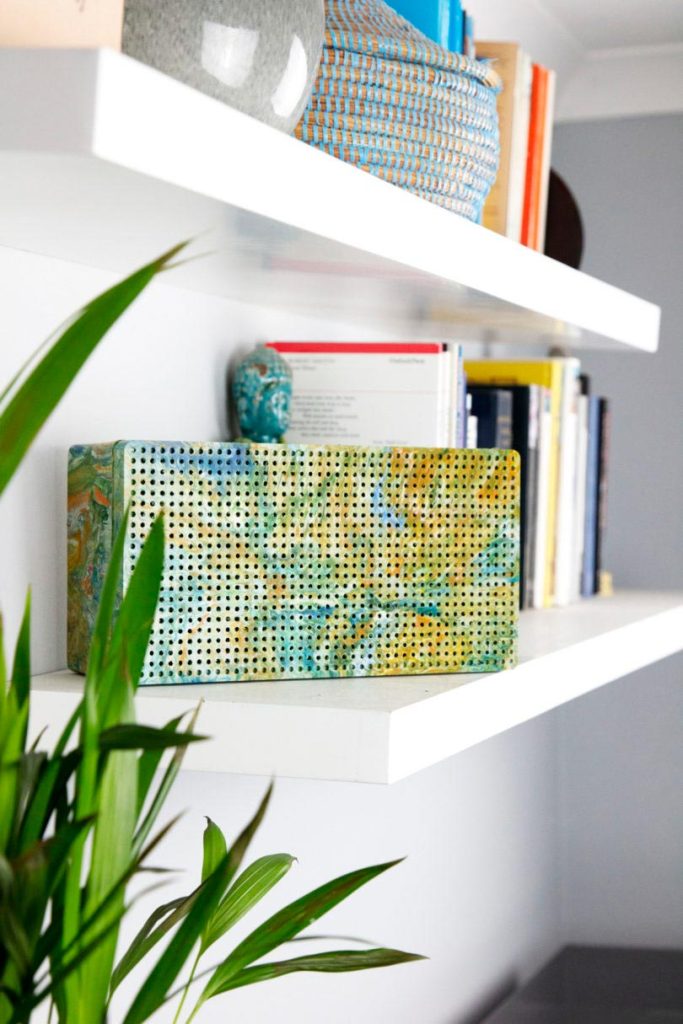
Getting Started with Recycled Materials
As crafters dive into the world of sustainable creativity, understanding how to effectively use recycled materials is essential. Utilizing resources that would otherwise end up in landfills can transform not only your crafting practices but also your overall creative mindset. By embracing imperfections, you unlock a treasure trove of possibilities.
Identifying Recyclable Materials
To begin your journey, it’s important to know what types of materials can be recycled for crafting. Here are some everyday items that can serve as a foundation for your sustainable projects:
- Paper Products: Old newspapers, magazines, greeting cards, and scraps of decorative paper can be repurposed into collages, paper mâché projects, or hand-crafted greeting cards. The vibrant images and textures add character to any creation.
- Textiles: Worn-out clothing, fabric remnants, or even linens can be transformed into quilts, bags, or decorative elements. The unique patterns and colors these textiles bring forth can lead to truly one-of-a-kind pieces.
- Glass and Plastic Containers: Empty jars, bottles, and food containers can be upcycled into planters, storage solutions, or even innovative craft organizers. The versatility of these materials is limitless, allowing for both functional and artistic applications.
- Wood Scraps: Old pallets or scrap wood can inspire amazing DIY projects, from rustic shelves to planter boxes. Enhancing these pieces through a little sanding and paint can deliver stunning results.
Using a diverse array of these materials not only decreases waste but also instills a deeper appreciation for the potential found in everyday items. A simple quest to the local thrift shop or a thorough examination of your home can yield surprising finds, inspiring your next crafting adventure.
The Art of Upcycling
Upcycling goes beyond just reusing one material; it’s about creatively re-imagining its purpose. The trend has gained traction as crafters increasingly challenge the conventional ideas of what constitutes ‘new’ art. Here are some innovative ways to practice upcycling:
- Furniture Flips: Try revitalizing old furniture pieces by repainting, reupholstering, or combining elements to create new designs. Not only does this save money, but it also averts the environmental impact of manufacturing new goods.
- Art Installations: Turn discarded materials into unique sculptural pieces that provoke thought or admiration. This can range from sophisticated displays in galleries to DIY installation art in your own backyard.
- Gift Creation: Use repurposed items to craft thoughtful gifts for friends and family. For example, transforming wine corks into decorative coasters conveys a personal touch while promoting sustainability.
Embracing the art of upcycling requires an open mind and a willingness to experiment. Allowing your creativity to flourish amidst recycled materials not only adds depth to your projects but cultivates a mindful approach to consumption.
By exploring these methods, crafters can forge a more sustainable path, showcasing that creativity can thrive without compromise. As you dive deeper into the world of sustainable crafts, remember that every small choice contributes to larger environmental impacts, sparking a broader movement towards eco-conscious crafting.
| Category | Description |
|---|---|
| Eco-Friendly Materials | Utilizing materials such as plastic bottles and fabric scraps reduces waste and encourages sustainability. |
| Cost-Effective Solutions | Repurposing everyday items saves money while giving creative projects a unique touch. |
As interest in sustainable crafts grows, understanding how to incorporate recycled materials into creative projects is paramount. Incorporating eco-friendly materials not only helps in minimizing the impact on our environment but also opens a realm of possibilities for crafty enthusiasts. For instance, turning old magazines into beautiful mosaics or using glass jars for lighting fixtures can transform the ordinary into the extraordinary. Moreover, the economic aspect cannot be overlooked. Utilizing resources available at home not only promotes sustainability but also presents cost-effective solutions to crafters. As consumers become increasingly aware of their purchasing power, the trend shifts towards supporting practical and environmentally responsible choices. This surge in the DIY community is highlighted by social media platforms, where users share innovative projects and inspire others to dive into the world of sustainable crafting. Thus, it’s essential to explore various avenues for using recycled materials, encouraging a mindset of creativity that champions environmental awareness.
DISCOVER MORE: Click here to transform your space
Integrating Eco-Friendly Practices in Crafting
As the trend of sustainable crafting continues to flourish, integrating eco-friendly practices into your creative projects not only enhances your artistry but also nurtures a conscientious mindset. By adopting certain strategies, crafters can ensure their projects are not just creative but also environmentally friendly. Here are some practical ways to lead your crafting journey towards sustainability:
Creative Techniques for Using Recycled Materials
When it comes to innovative crafting, employing methods that highlight recycled materials can result in impressive outcomes. Explore these techniques to make the most out of your materials:
- Collage and Mixed Media: Combine various forms of recycled paper, fabric, and other materials to create striking mixed media artworks. Collaging layers of textures and colors can yield captivating visuals while making effective use of scraps.
- Nature-Inspired Crafts: Incorporate natural elements like twigs, leaves, or stones into your creations. By blending these organic materials with recycled ones, you not only elevate the aesthetic appeal but also further promote sustainability in your projects.
- Functional Art: Aim to create pieces that serve a dual purpose, such as repurposed wine bottles transformed into candlestick holders. This not only reduces waste but provides a creative solution that can enhance any home decor.
Experimenting with these methods allows artisans to break away from conventional crafting norms, resulting in vibrant, meaningful creations that tell a story of sustainability.
Community Engagement in Sustainable Crafting
Joining fellow crafters in the movement towards sustainability can enhance your learning experience and expand your skill set. Here are ways to connect with others and share knowledge:
- Workshops and Events: Participate in local workshops focused on sustainable crafts. Engaging with experts and other enthusiasts can spark ideas and cultivate a supportive community.
- Crafters’ Networks: Join online forums or social media groups dedicated to eco-friendly crafting. These platforms can provide a wealth of information, tips, and inspiration from crafters across the globe.
- Community Engagement Projects: Collaborate with local organizations to create collective art installations or initiatives that utilize recycled materials. Such projects not only elevate community spirit but also serve as a platform to raise awareness on sustainability.
By actively engaging in community activities centered around sustainable crafting, you not only grow your own abilities but also join a larger conversation about the significance of eco-conscious practices in today’s world. This collaboration often leads to unique projects that would not have been possible individually.
Tools and Resources for Sustainable Crafters
As you embark on your sustainable crafting journey, having the right tools and resources at your disposal is essential. Here are some recommendations:
- Online Tutorials: Numerous platforms offer free or affordable tutorials on using recycled materials for crafting. Websites like YouTube and various crafting blogs can be invaluable resources for learning new techniques.
- Sustainable Supply Stores: Seek out local shops or online stores that specialize in sustainable craft supplies. They often carry products specifically designed for eco-friendly crafting, providing a guilt-free option for project materials.
- Books and Magazines: Invest in books focused on upcycling and sustainability within the crafting community. These can be great references for ideas and comprehensive guidance on eco-friendly projects.
By equipping yourself with knowledge and tools, you can innovate your crafting style and remain aligned with the principles of sustainability. The journey of using recycled materials in creative projects is both fulfilling and exciting, encouraging artists and hobbyists alike to redefine their craft while making a positive environmental impact.
DISCOVER MORE: Click here to unleash your creativity
Conclusion: The Future of Sustainable Crafts
As we navigate through an era increasingly driven by eco-consciousness, the realm of sustainable crafts emerges as a beacon of creativity and responsibility. The emphasis on using recycled materials not only fosters innovative artistry but also contributes significantly to environmental conservation. By embracing the principles of sustainability, crafters can transform discarded items into beautiful, functional works of art, thereby shifting societal perceptions on waste and creativity.
The integration of eco-friendly practices in crafting—through techniques like collage, functional art, and nature-inspired projects—showcases the potential for diverse expressions while promoting a sustainable mindset. Moreover, community engagement plays a vital role in this movement, offering opportunities to share knowledge, resources, and inspiration, thus amplifying the impact of sustainable crafts. The rise of workshops, online forums, and collaborative projects highlights the collective desire to work towards a greener future.
Equipped with various tools and resources, crafters can not only refine their skills but also lead by example in advocating for the use of recycled materials. This trend is not just a fleeting moment; it is a call to action for makers across the United States and beyond to rethink their craft and consider the ecological implications of their creations.
In conclusion, the transformative aspect of sustainable crafts lies in their ability to marry creativity with a conscience. As this trend continues to evolve, it invites everyone—from seasoned artisans to novices—to delve into the world of repurposing materials, ultimately discovering the joy of crafting with a purpose. By doing so, we not only enrich our own lives through creativity but also contribute to a more sustainable world.
Related posts:
The importance of customization in craft projects: taking your creations to the next level
Intergenerational Craftsmanship: Sharing Skills Between Generations
The Role of Handicrafts in Education: Learning Practical and Creative Skills in the Classroom
Developing a Personal Brand Through Crafting: Tips for Creative Entrepreneurs
Exploring Craft Techniques: Transforming Common Materials into Masterpieces
Craftsmanship and Minimalism: How to Create Beauty with Less

Linda Carter is a writer and creative hobbies expert specializing in crafting, DIY projects, and artistic exploration. With extensive experience helping individuals discover their creative potential and bring their ideas to life, Linda shares her knowledge on our platform. Her goal is to empower readers with practical tips, inspiring ideas, and step-by-step strategies for success in the world of creative hobbies.